



Food guide
What Is Butter Tteok? Korea's Viral Butter Rice Cake, Explained
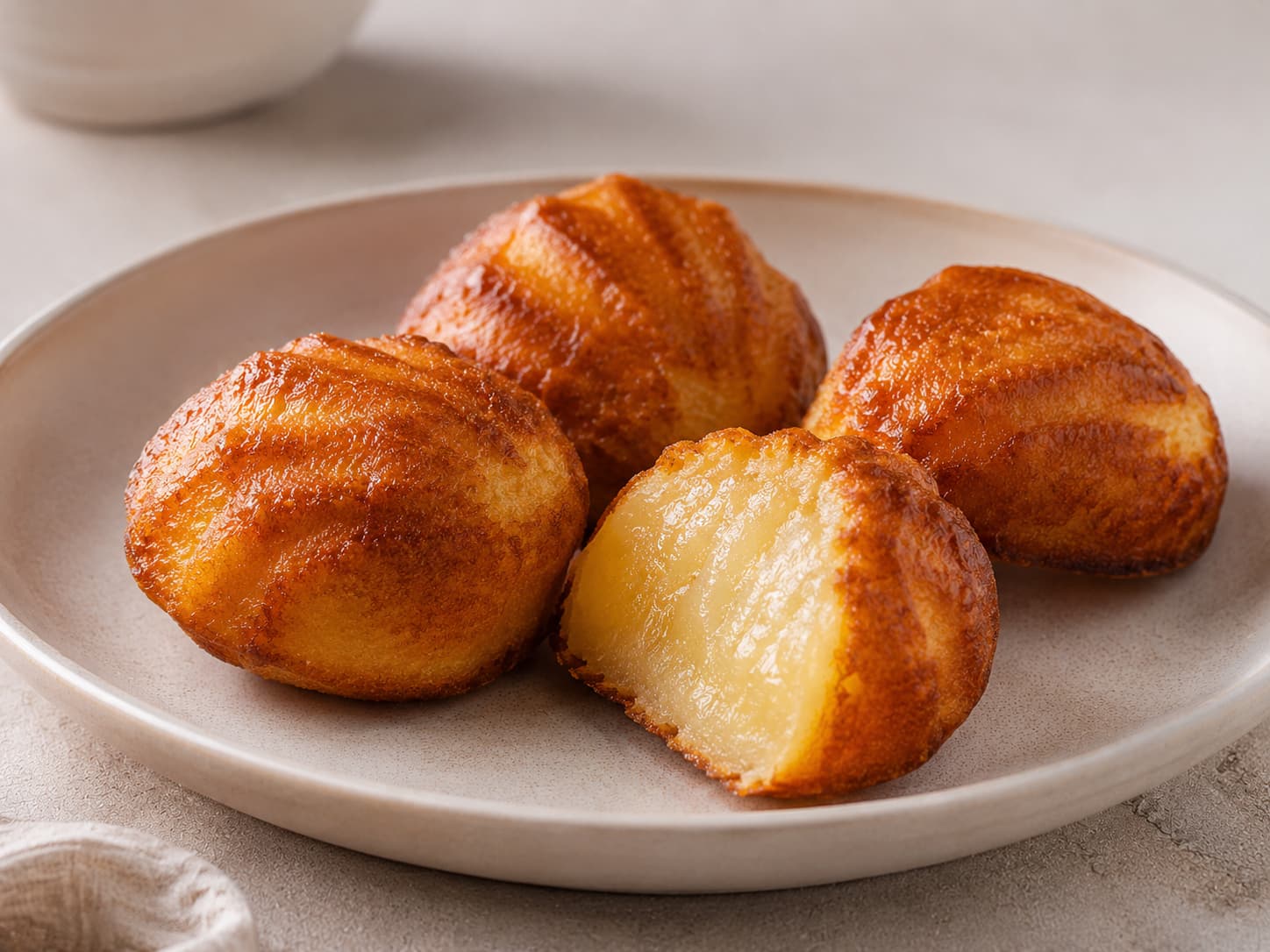
Butter tteok looks like a scallop shell that wandered into a Korean bakery case, and for a few months in 2026, it felt like it was everywhere.
Food guide
Butter tteok looks like a scallop shell that wandered into a Korean bakery case, and for a few months in 2026, it felt like it was everywhere.
Quick facts
The name is a little confusing at first. Butter tteok is not the chewy rice cake you get in tteokbokki, floating in red sauce at a street stall. It borrows the word tteok because it is made from glutinous rice dough, but the resemblance mostly stops there. Bakeries mix the rice dough with butter and milk, pour it into a small shell-shaped mold, and bake it until the outside turns crisp and caramelized. Break one open and the inside is soft, dense, and pleasantly chewy — closer to a rich rice cookie than anything you would call a snack.
In Korea, the trend became widely known as "Shanghai butter tteok." Korean coverage commonly connects it with Shanghai-style huangyou niangao, although similar baked glutinous-rice desserts also exist in other food traditions.
Part of why butter tteok spread so quickly says less about the tteok itself and more about how dessert trends move in Korea. A new treat can go from unknown to sold-out within a couple of weeks once a few cafés post it and the hashtags start climbing — the same pattern that carried tanghulu (candied fruit skewers) through Korea a couple of years earlier. One professor interviewed by local media around the peak of the trend pointed to exactly that: Korean dessert trends now tend to have very short lifespans, rising fast and cooling just as quickly.
If you are reading this expecting butter tteok to still be the hottest thing in Seoul, it is worth being straightforward: it is not, not anymore. Coverage from late March 2026 already described daily sales at popular stores dropping to about half of what they were just weeks earlier, and several Korean outlets reported through the spring that the initial rush had cooled considerably. Search interest followed the same pattern, spiking sharply in mid-March and falling off soon after. None of that makes butter tteok a bad dessert — it just means this page sits closer to explaining what swept through Korea's cafés earlier in 2026 than promising you will find a line out the door today.
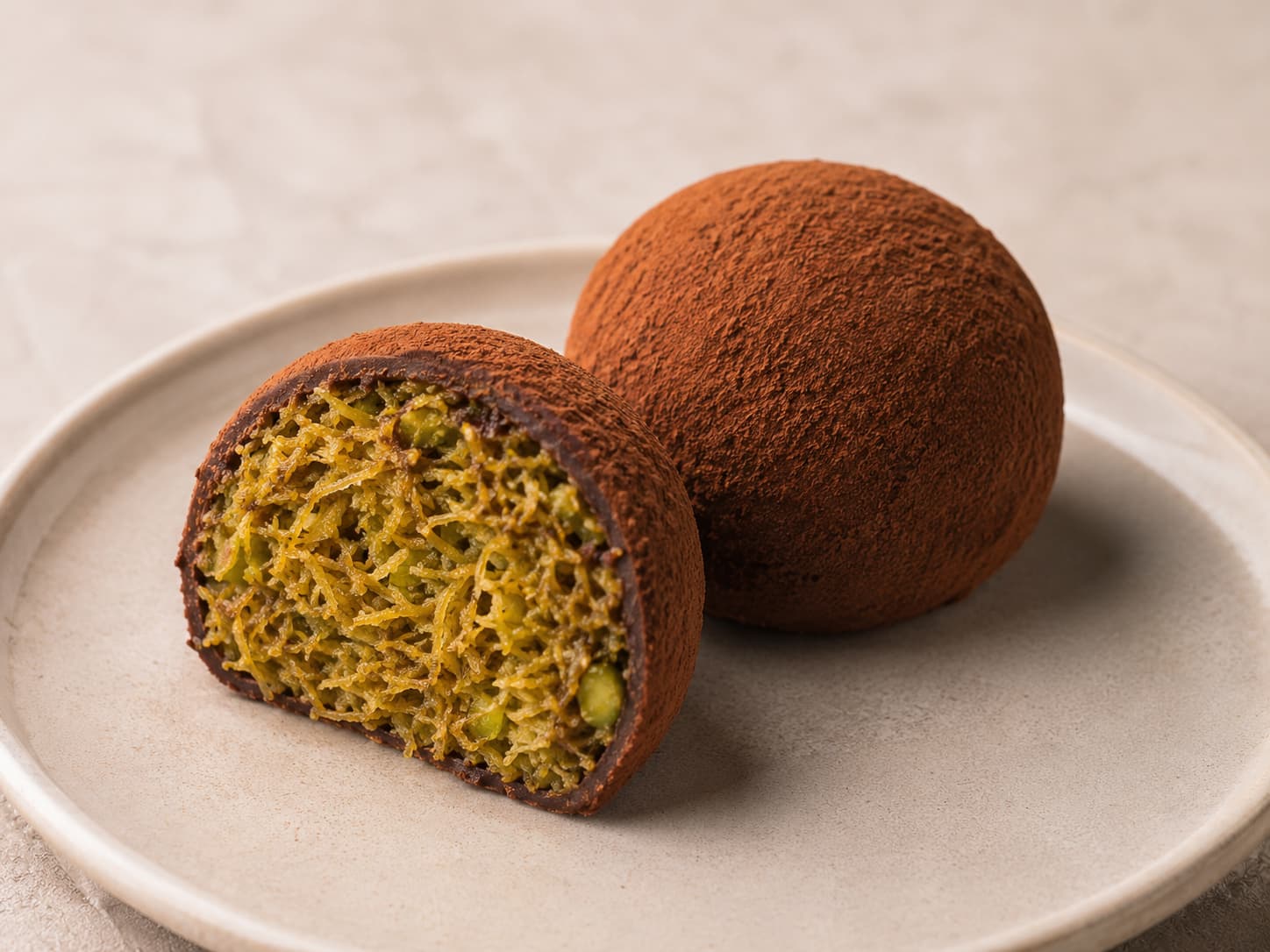
If you have spent any time around Korean dessert cafés, you will notice these viral treats rarely arrive alone — one trend tends to fade just as another takes its place. Before butter tteok, it was Dubai chewy cookies (두바이쫀득쿠키), the Korean take on the pistachio-and-kunafa Dubai chocolate that went viral worldwide. In Seoul, some bakeries reportedly had customers lining up for hours when Dubai chewy cookies first landed. Butter tteok arrived a little after, cheaper and easier to find, and picked up plenty of media coverage of its own. Butter tteok followed as the next major viral dessert trend as interest in Dubai chewy cookies cooled. That kind of quick handoff, one dessert trend giving way to the next, is fairly normal in Korea right now.
If you want to try butter tteok while traveling in Korea, versions have appeared at independent bakeries, cafés, convenience stores, and larger chains, although availability varies as the trend has cooled. Ask for the plain version first; the butter and caramelized crust do most of the work, and the filled versions build on that base flavor rather than replacing it. Like a lot of Korean dessert trends, it may not stay on every menu for long, so if a bakery near you still has it, that is reason enough to give it a try.
Keep exploring
Food guide
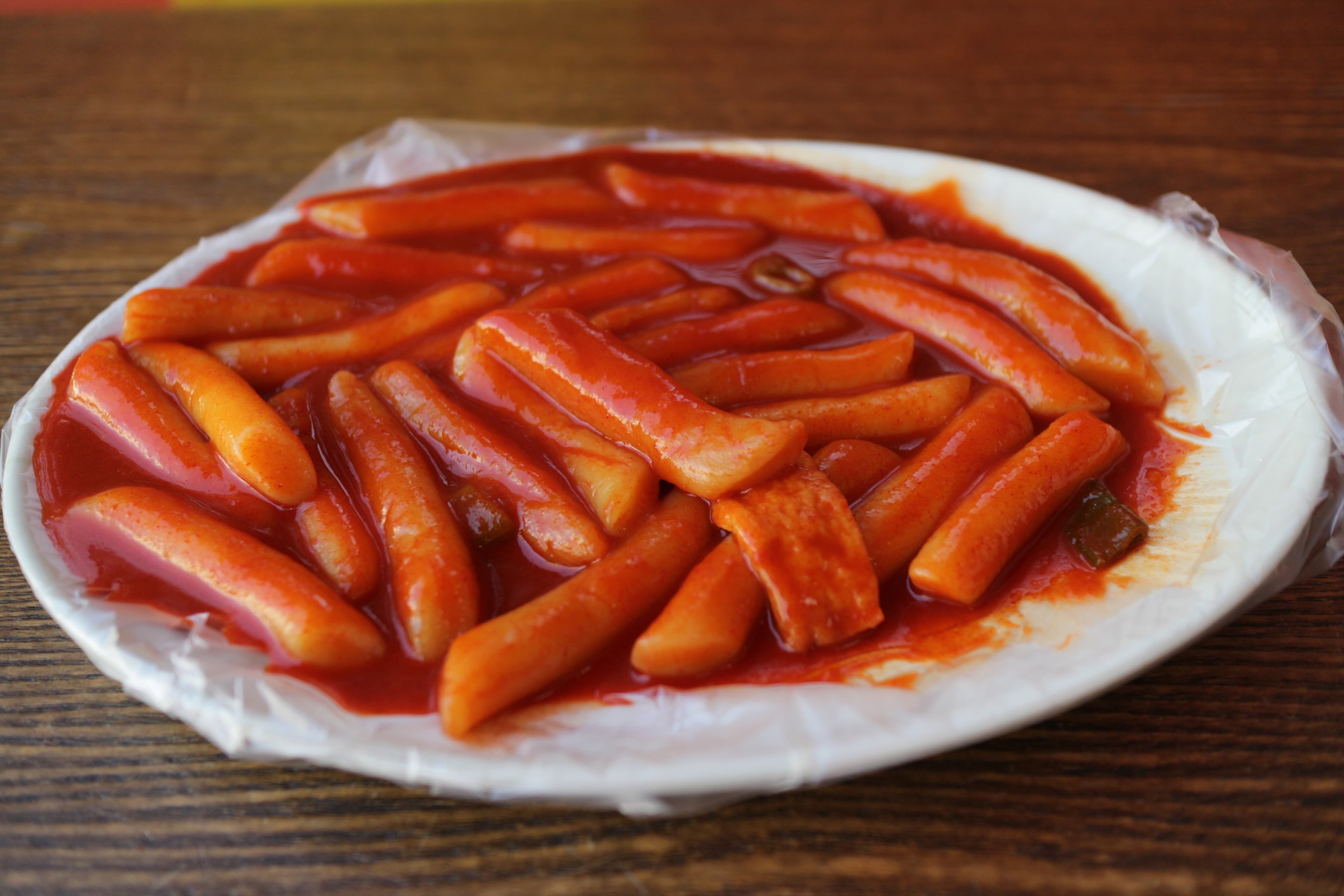
Chewy rice cakes in red sauce — a very different kind of tteok, and one of Korea's most everyday comfort foods.
Read guide →
Food guide
Fish-shaped winter street snacks — another Korean treat that trades on shape and nostalgia as much as flavor.
Read guide →
Food
Simple HAEMIL food guides for understanding what to eat in Korea and how to order without turning every meal into homework.
Read guide →