Korea has four clear seasons, and each one changes how the trip feels — spring bright and fresh, summer hot and humid, autumn clear and easy to walk in, winter cold and dry but cozy in its own way. Match the season to what you want: flowers, comfortable walking, summer night energy, warm food and cafes, or lower-pressure sightseeing — not only the prettiest photos online.
Autumn
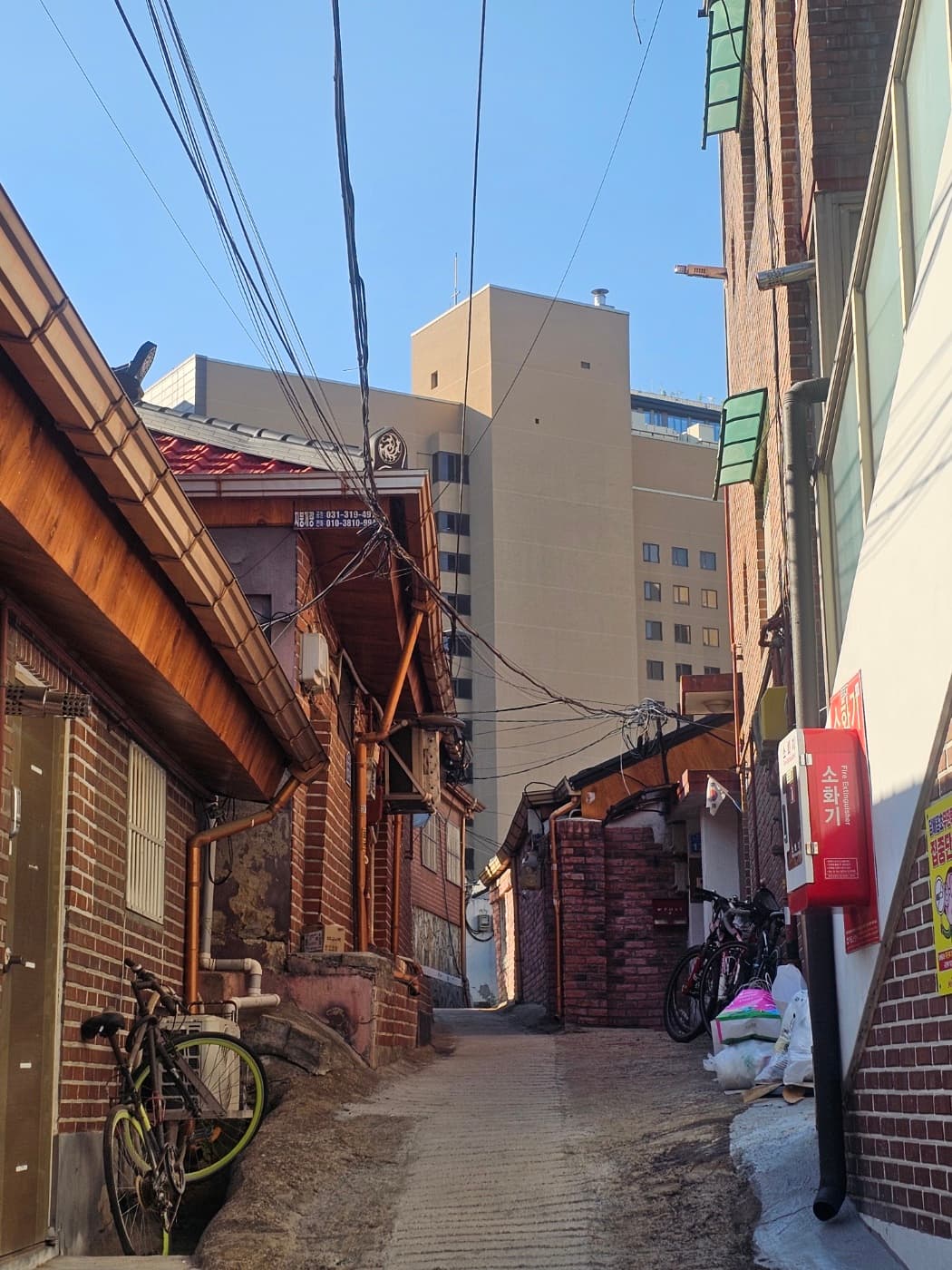
For many first-time visitors, autumn is the easiest season — comfortable walking weather, clearer air, and outdoor plans that feel less tiring than summer. Palaces, Insadong, Hongdae, Myeongdong, and Seongsu are easier to explore on foot. The trade-off is popularity: fall colors and good weather draw crowds, and hotels, cafes, and photo spots can feel busier during peak travel periods.
Spring
Spring is a favorite too — the city feels lighter after winter, with flowers, palace grounds, and cafe streets that photograph well. Flower timing shifts every year, famous blossom spots get crowded, and weather can swing from warm to chilly, dusty, or rainy. Treat spring as a mood, not a guarantee; build flexible plans rather than one fixed flower date.
Summer
Summer can be fun but tiring — hot, humid, and heavy on outdoor walking. Subway stations and shopping streets feel sticky when the weather is at its worst. Nights stay lively, cafes and convenience stores become useful, and indoor plans like malls, museums, and food courts can save the day. Plan gently: leave room for air-conditioning breaks, and remember rain can slow taxis and make walking routes less comfortable.
Winter
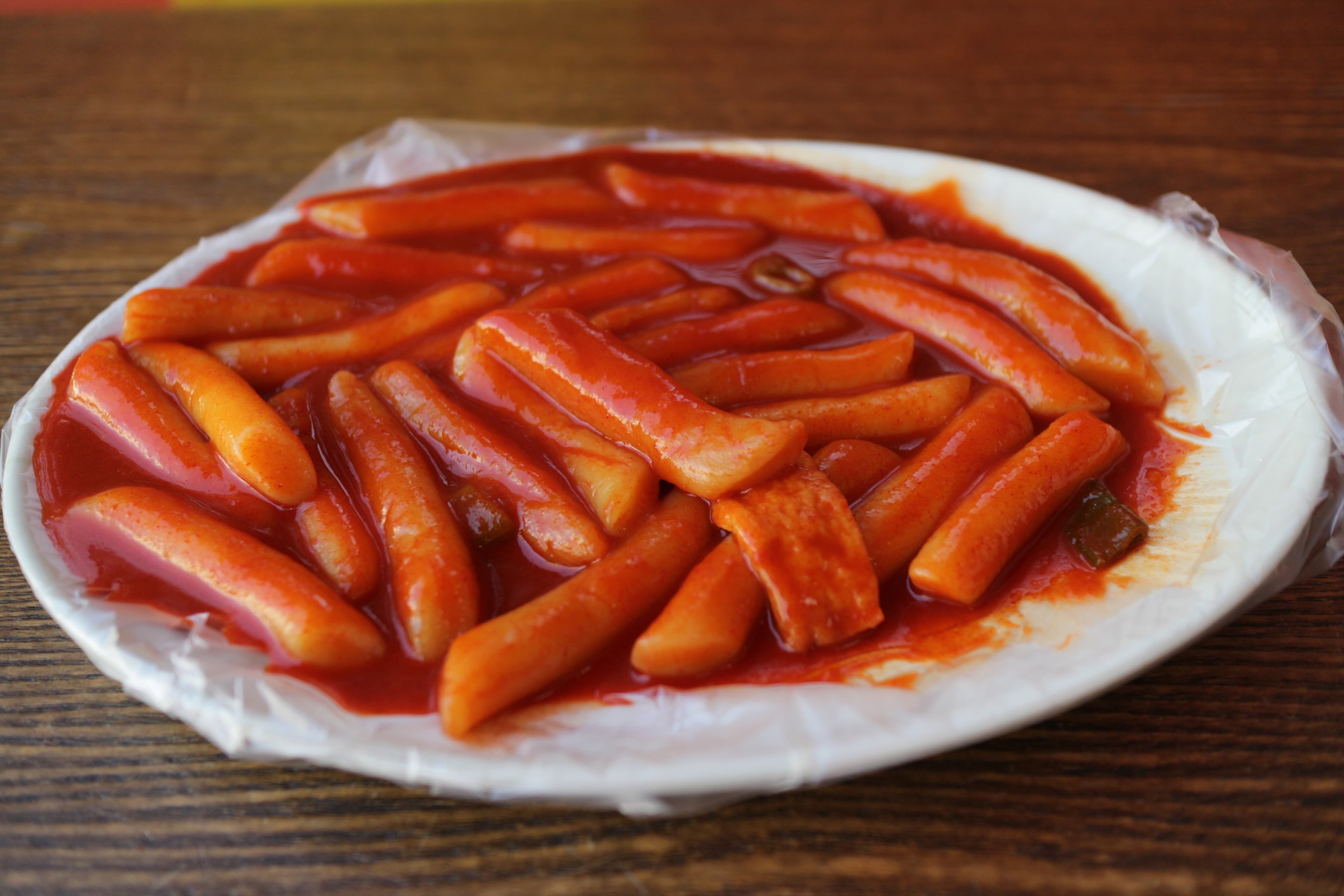
Winter is cold but can suit travelers who prefer a calmer mood — dry, sharp Seoul with more time in cafes, restaurants, malls, and museums. Korean soups, stews, street snacks, and hot drinks hit differently. The trade-off is outdoor sightseeing: palace walks and night views need proper clothing and shorter outdoor blocks. Good if you can handle cold and want warm food, shopping, and fewer outdoor expectations.
Quick season guide
Autumn for comfort, spring for a bright pretty mood, winter for a calmer city trip if you can handle cold — and summer only if you are willing to slow down and you do not mind heat, humidity, or rain.
Cost and crowds
Popular travel periods can push up hotels and flights, especially in Myeongdong, Hongdae, Gangnam, Insadong, Seoul Station, and Jamsil during spring and autumn. Book with clear expectations; if budget matters, look at practical station access and stays one or two subway stops from the busiest area.
Match the season to your itinerary
Palaces, walking streets, and outdoor views usually feel better in spring or autumn. Shopping, cafes, food, beauty, museums, and malls can work in winter or summer too. If you hate crowds, skip building the trip around the most famous seasonal photo spots; if you hate heat, do not pack summer with outdoor-only days; if you hate cold, winter's calmer mood may not be worth the trade-off. Choose the season that matches your daily energy, not only photos online.
Walking and comfort
Korea is a walking-heavy destination — subway stations, markets, palace grounds, hills, and shopping streets add up. The same place feels different in good walking weather versus heavy rain, freezing wind, or summer heat. Myeongdong, palaces, and Hongdae at night all change with what your body can handle.
The best time to visit is not only the prettiest season — it is the one that lets you enjoy the trip without fighting weather all day. Spring and autumn work for most first-timers; autumn is probably the easiest for walking, spring needs flexible plans, summer needs slower pacing, winter needs warm clothes and more indoor breaks. Match comfort, budget, and itinerary — that beats chasing the perfect travel photo.