← Back to Travel

Travel guide

Is Korea Expensive to Visit? A First-Time Traveler's Honest Cost Guide

If you are visiting Korea for the first time, you may wonder if Korea is expensive. The honest answer is: it depends on how you travel. Korea can feel very convenient and reasonable β€” or expensive β€” depending on where you stay, how you move, and how often you follow famous spots.

Quick answer

  • β€’Short answer: Korea can be affordable or expensive depending on travel style.
  • β€’Most expensive part: accommodation in popular areas and busy seasons.
  • β€’Easy place to overspend: cafes, shopping, taxis, and tourist-heavy streets.
  • β€’Good-value choices: subway, gimbap, bunsik, soups, convenience stores, food courts.
  • β€’Taxi caution: useful sometimes, but traffic can make it slower and less efficient.
  • β€’Local tip: stay near a useful subway station, not only a famous neighborhood name.

Korea can feel very convenient and reasonable if you use the subway, eat simple local meals, stay near a practical station, and do not chase every famous cafe or shopping street.

But Korea can also feel expensive if you stay in the most popular areas, take taxis often, visit trendy cafes every day, shop a lot, and eat mostly in tourist-heavy streets.

So the better question is not β€œIs Korea cheap or expensive?”

The better question is:

Where does money disappear on a Korea trip?

Accommodation

For many first-time visitors, accommodation is the biggest cost.

Areas like Myeongdong, Hongdae, Gangnam, Insadong, Seoul Station, and Jamsil are popular because they are convenient. They are close to subway lines, shopping, sightseeing, restaurants, or major attractions.

That convenience has value.

But it also means hotels and stays in the busiest spots can cost more, especially during popular travel seasons or near major stations.

That does not mean you should avoid famous areas.

For a first trip, staying somewhere convenient can save time and stress.

But it helps to understand the trade-off.

A cheaper stay far from your route may look good when booking, but it can become tiring if it adds long transfers every day.

A slightly more expensive stay near a useful subway station may feel better in real life.

The local tip is simple:

Choose by station, not only by neighborhood name.

A hotel three minutes from a useful station can be better than a famous address with a long uphill walk.

Food

Food can be affordable, but not every meal is cheap.

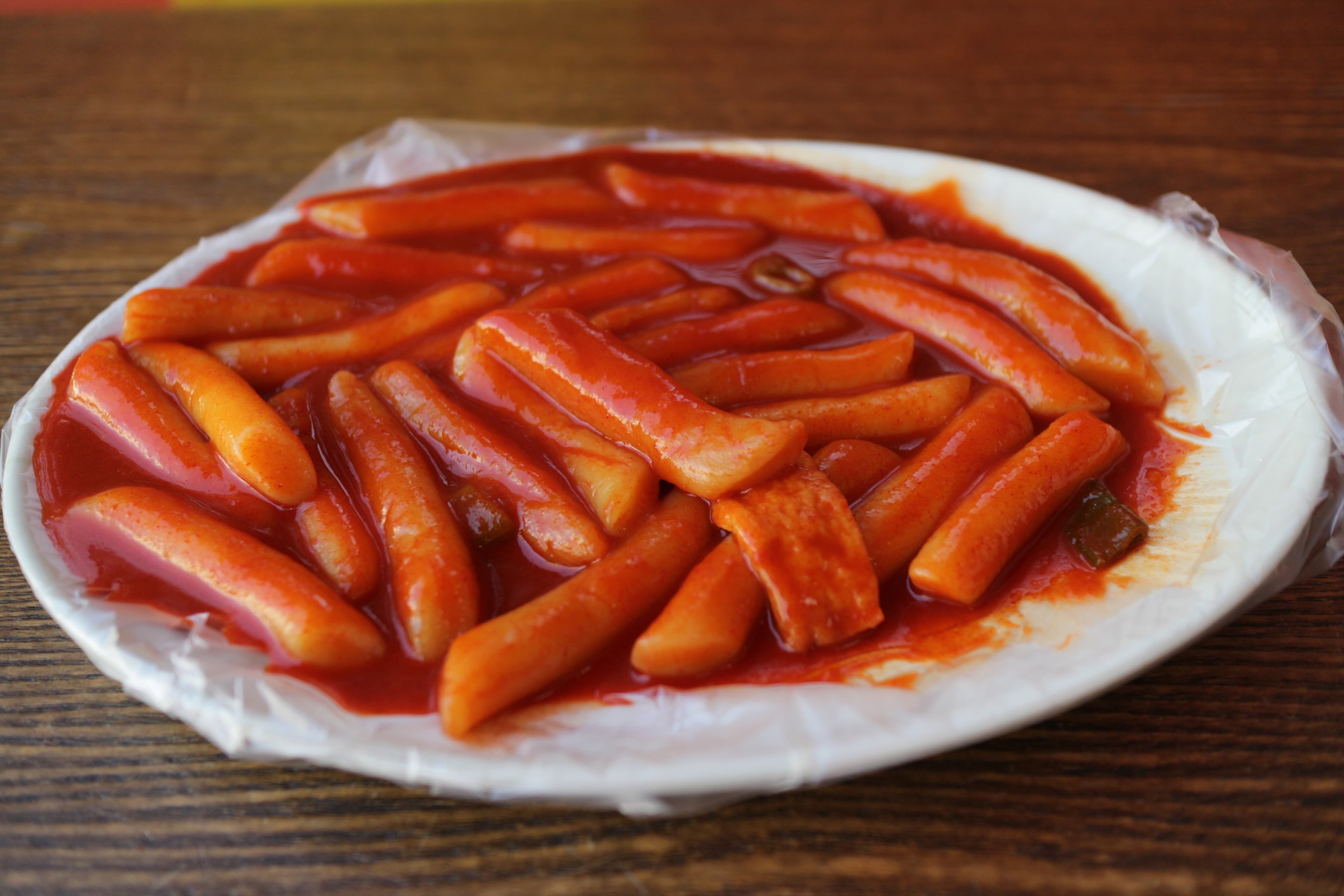
Simple Korean meals can be good value. Gimbap, bunsik, soups, noodles, stews, food courts, convenience store meals, and casual local restaurants can help balance your budget.

But famous tourist areas can feel more expensive.

Myeongdong, Hongdae, Gangnam, Insadong, Seongsu, and other popular streets are easy and fun, but restaurants and cafes in the busiest spots often charge more because of location, demand, and atmosphere.

That does not make them bad.

Sometimes you are paying for convenience.

Sometimes you are paying for a nice space.

Sometimes you are paying because the place is popular.

For a first trip, that can be okay.

Just do not make every meal a famous restaurant.

A simple local meal near your hotel can be just as useful as a viral restaurant across the city.

Cafes and shopping

Cafes are one of the easiest places to overspend.

Korea has a strong cafe culture, and cafes can be part of the fun. Some are simple. Some are beautiful. Some are dessert-focused. Some are more about interior design and atmosphere.

In trendy areas, a cafe stop can feel less like a quick drink and more like a small experience.

That is enjoyable, but it can add up quickly if you do it several times a day.

A good balance is to choose one cafe you really want to enjoy, then use simpler cafes or convenience stores for quick drinks.

Shopping can also surprise people.

Korea is fun for shopping because there are cosmetics shops, fashion streets, lifestyle stores, character goods, snacks, stationery, skincare, and department stores.

But shopping streets are designed to make you keep picking up small things.

A few small purchases can become a large part of your travel budget.

This is especially true in areas like Myeongdong, Hongdae, Gangnam, Seongsu, and major malls.

If you like shopping, set a loose daily limit in your mind.

That helps you enjoy it without regret later.

Transportation

Transportation is usually one of the easier costs to control.

The subway is the best base for most first-time visitors. It is predictable, connected, and useful for moving between major areas.

A T-money card or transit card makes public transportation easier.

The subway can be crowded, especially during weekday rush hour, but it is usually more predictable than road traffic.

Taxis are useful, but they are not always the budget-friendly choice.

A taxi can be helpful late at night, in bad weather, with heavy luggage, or when the subway route is too complicated.

But during rush hour, rain, events, or heavy traffic, taxis can get stuck and feel slower than the subway.

If you take taxis across the city often, costs can rise quickly.

Think of taxis as a comfort tool, not your main transport plan.

Subway for most movement.

Taxi when it actually reduces stress.

That balance works well in Seoul.

Convenience stores and food courts

Convenience stores are helpful for saving money and energy.

They are not just emergency snack stops.

You can use them for breakfast, late-night food, drinks, triangle gimbap, cup ramyeon, lunch boxes, desserts, and small travel needs.

Convenience store food is not a replacement for every meal, but it can save your day when you are tired or between plans.

It also helps balance more expensive restaurant or cafe days.

Food courts can be useful too.

In malls, stations, department stores, and large buildings, food courts can make ordering easier and give you several choices in one place.

They are not always the cheapest option, but they can be convenient, especially when traveling with friends or family who want different foods.

Plan your days wisely

Another budget mistake is crossing the city too much.

Every long transfer costs time, energy, and sometimes extra spending.

If you go from Myeongdong to Jamsil, then to Hongdae, then to Gangnam in one day, the day may look full but feel exhausting.

You may end up taking more taxis, buying more drinks, and eating wherever is easiest because you are tired.

A better plan is to group nearby areas.

Central Seoul day.

Old Seoul day.

Hongdae and northwest Seoul day.

Gangnam or Jamsil day.

This saves both energy and money.

Weather can also affect cost.

On very hot, cold, or rainy days, you may spend more on taxis, cafes, malls, or indoor activities.

That is normal.

But it helps to build flexible plans instead of forcing long outdoor routes in bad weather.

If you need a break, a cafe, mall, museum, food court, or convenience store stop can keep the day comfortable.

Final note

For first-time visitors, the best budget strategy is not to be cheap all day.

It is to choose where spending actually improves the trip.

A convenient hotel near a station may be worth it.

A taxi with heavy luggage may be worth it.

A beautiful cafe you really wanted to visit may be worth it.

Korean BBQ with friends may be worth it.

But a taxi during traffic, a random expensive cafe just because you are tired, or a hotel far from your itinerary may not be worth it.

That is the difference.

For HAEMIL readers, Korea is not a place where every good experience has to be expensive.

Some of the best first-trip moments can be simple:

a warm bowl of soup,

a gimbap lunch,

a convenience store snack,

a subway ride across the city,

a quiet palace walk,

a night view,

a cafe break after too much walking.

Korea can be affordable if you travel with balance.

It can be expensive if every choice is based on convenience, trend, or famous locations.

So plan your spending around comfort, not pressure.

Spend where it saves energy.

Save where the famous option does not really matter.

That is the easiest way to enjoy Korea without feeling surprised by the cost.

Keep exploring

Related travel guides

See all Travel β†’

Travel guide

Things to know before visiting Korea for the first time

A practical first-time Korea travel guide with local tips on Seoul transport, maps, rush hour, food ordering, costs, cafes, weather, and common travel mistakes.

Read guide β†’

Travel guide

Where to stay in Seoul for the first time

A practical local-style guide to choosing your Seoul base, from Myeongdong and Hongdae to Gangnam, Insadong, Seoul Station, and Jamsil.

Read guide β†’

Travel guide

How to get around Seoul for first-time visitors

A practical Seoul transport guide for first-time visitors, with subway, taxi, rush hour, airport routes, walking, maps, and local trade-offs.

Read guide β†’

Travel guide

3 days in Seoul itinerary for first-time visitors

A practical local-friendly Seoul route for first-time visitors, with Myeongdong, Namsan, palaces, Insadong, Hongdae or Gangnam, plus honest travel trade-offs.

Read guide β†’

Food guide

What to eat in Korea for the first time

A friendly food guide for first-time Korea visitors, with Korean BBQ, gimbap, tteokbokki, soups, fried chicken, convenience stores, cafes, and realistic local tips.

Read guide β†’

Food guide

How to order food in Korea

A practical guide for first-time visitors, with Korean restaurant ordering tips, kiosks, table bells, side dishes, self-service water, paying, solo dining, and spicy food notes.

Read guide β†’

Food guide

Korean convenience store food guide

A local-friendly first guide to Korean convenience store food, quick meals, snacks, drinks, and 24-hour culture.

Read guide β†’