



Food culture guide
What Is Bunsik? Korea's Snack-Shop Food Culture Explained
Bunsik is one of the best words to know before eating casual food in Korea.
Food culture guide
Bunsik is one of the best words to know before eating casual food in Korea.
Quick facts
You may not see it translated perfectly in English — sometimes Korean snack food, sometimes street food, sometimes a small restaurant meal. Bunsik, or 분식, is the food you eat when you want something quick, cheap, warm, spicy, and familiar. A bunsikjip (분식집) is a casual snack shop where you might find tteokbokki, gimbap, twigim, sundae, eomuk, ramyeon, and other simple foods on the same menu.
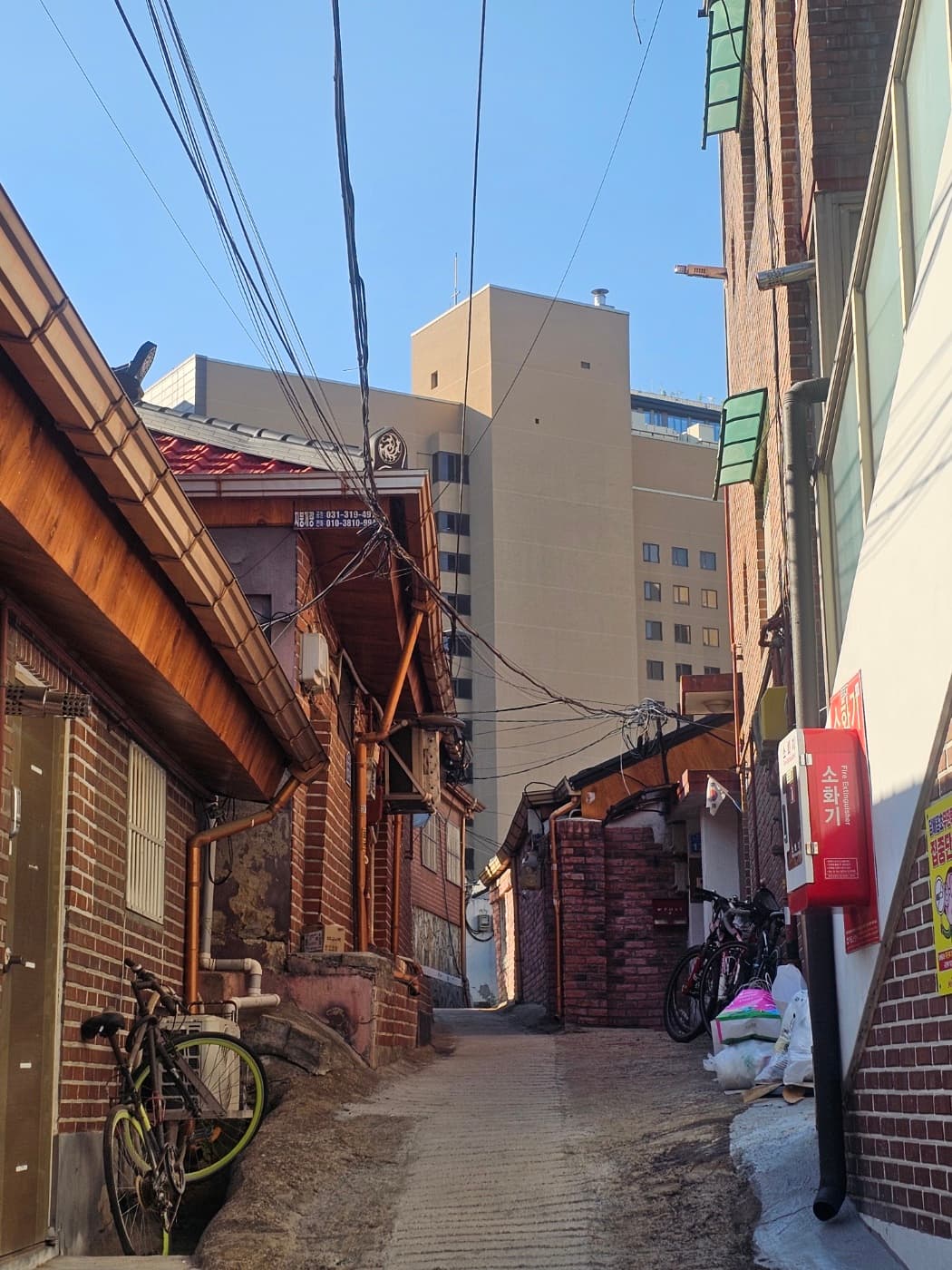
A bunsik shop can be near a school, market, subway station, neighborhood street, or busy shopping area — tiny or chain-style, old and local or clean and modern. Menus change, but the feeling is usually similar: fast food, but Korean and more emotional than the phrase sounds. For many Koreans, bunsik carries an after-school feeling — finish class, stop with friends, order tteokbokki, add twigim, share gimbap, eat quickly before going home. Food for small money and big cravings.
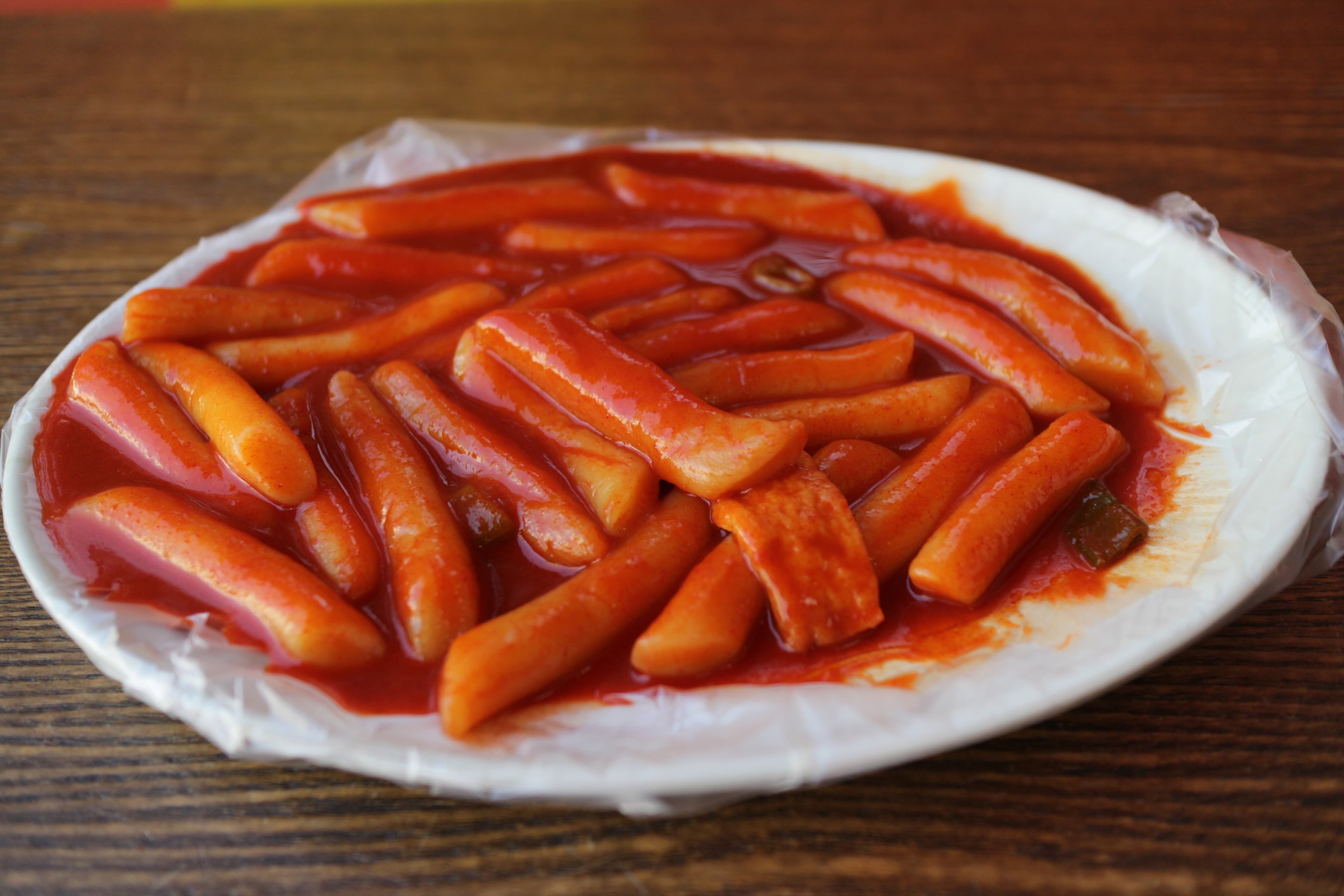
Tteokbokki is often the center — red sauce that is spicy, sweet, thick, and easy to share, covering chewy rice cakes, fish cake, and sometimes noodles or eggs. At a bunsik shop, tteokbokki sauce connects the table: you dip twigim in it, dip sundae in it, maybe touch gimbap to it. Twigim gives the fried side — gimmari, fried mandu, squid, sweet potato, vegetables, or shrimp depending on the shop. Fresh twigim is crispy; in sauce it turns softer and saucier. Both are good, and that mix is very Korean.
Eomuk gives warmth — inside tteokbokki or on skewers in broth, sometimes served in a paper cup or from a self-serve area. On a cold day that simple broth can matter as much as the food. Gimbap makes the meal feel complete — rice, seaweed, vegetables, and fillings in neat slices that balance spicy food well. If tteokbokki is the loud red part, gimbap is the calm part that makes you feel like you actually ate something.
Sundae may surprise visitors — in English it is usually blood sausage, which can sound intense — but in bunsik culture it is just a common order with tteokbokki. Soft, mild, savory, it works well with spicy sauce. Some shops serve liver, lung, or other pieces on the side; for a first time, just sundae with tteokbokki sauce is fine. Ramyeon belongs here too — a hot bowl at a bunsik shop next to gimbap, or cup ramyeon at a convenience store. Different setting, similar comfort: noodles, heat, salt, spice, something easy when you do not want to think too hard.
For travelers, a safe first order is tteokbokki and twigim for the spicy sauce and fried pairing. Add gimbap if you want something more filling; try a cup of eomuk broth if the shop has it; add sundae and dip one piece in the sauce if you feel curious. That one table explains more than a long definition. Bunsik is not one perfect dish — it is a small food system of spicy rice cakes, fried snacks, seaweed rolls, fish cake broth, blood sausage, instant noodles, cheap plates, and shared bites.
Every shop is different. A market stall may focus on tteokbokki and eomuk; a neighborhood bunsikjip may sell gimbap, ramyeon, and simple rice dishes; a modern chain may standardize everything. None is the only real version, but the mood stays familiar. Once you know bunsik, tteokbokki, gimbap, twigim, sundae, and eomuk stop feeling random and become one table — one of the easiest ways to taste everyday Korea, the Korea of school streets, market corners, late snacks, and people saying, "Let's just get bunsik."
Keep exploring
Food guide
A local-friendly guide to Korea’s spicy rice cake snack, from chewy tteok and red sauce to bunsik shops, markets, and classic add-ons.
Read guide →
Food guide
A local-friendly guide to Korea’s seaweed rice roll, from everyday bunsik shops and convenience stores to tuna gimbap, mini gimbap, and picnic memories.
Read guide →
Food guide
A local-friendly guide to Korean fried snacks, from gimmari and fried mandu to the very Korean habit of dipping twigim in tteokbokki sauce.
Read guide →
Food guide
A local-friendly guide to Korean blood sausage, from market stalls and bunsik shops to tteokbokki sauce, dipping salts, and regional styles.
Read guide →
Food guide
A local-friendly guide to Korean fish cake, from street-stall skewers and warm broth to the many shapes you see in tteokbokki, soup, and snack shops.
Read guide →
Food guide
A local-friendly guide to Korean cup ramyeon, hot water machines, convenience store counters, and easy local pairings.
Read guide →
Food
Simple HAEMIL food guides for understanding what to eat in Korea and how to order without turning every meal into homework.
Read guide →