



Food guide
What Is Sundae? Korea's Blood Sausage Street Food Explained
Sundae can sound surprising in English.
Food guide
Sundae can sound surprising in English.
Quick facts
Korean blood sausage — for some visitors the English name makes it feel like a food challenge before they even see it. In Korea, though, sundae is everyday snack food at markets, bunsik shops, street stalls, late-night places, and delivery menus. It belongs to the same world as tteokbokki, twigim, eomuk, and gimbap.
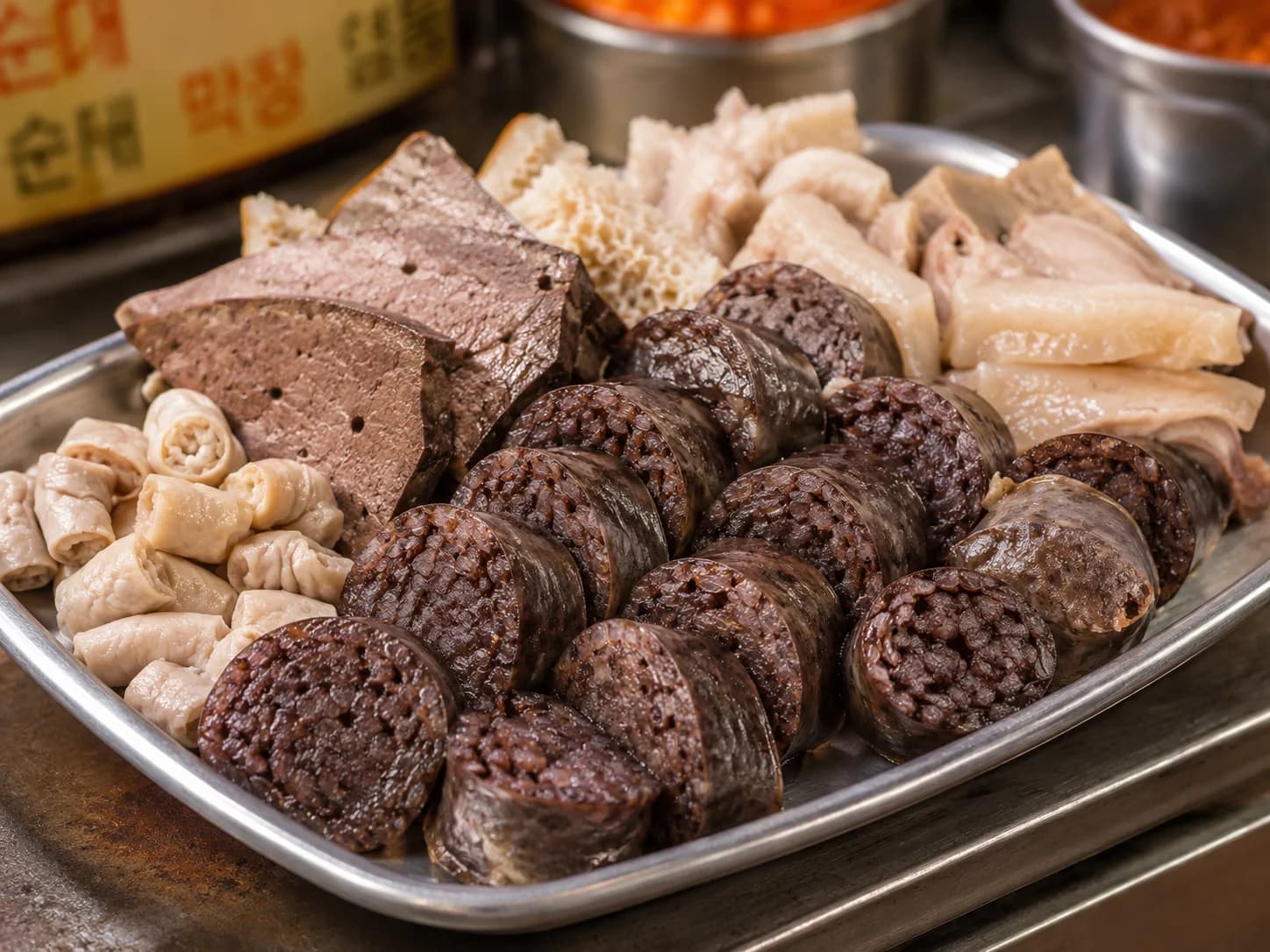
Sundae, or 순대, is usually made with glass noodles, blood, and casing, though ingredients and texture vary. It is sliced into thick pieces and served warm. The taste is milder than many first-time visitors expect — not sharp or bloody in a dramatic way. The texture is soft, slightly chewy, and filling; the flavor is savory and calm, which is why it works so well next to spicy tteokbokki sauce.
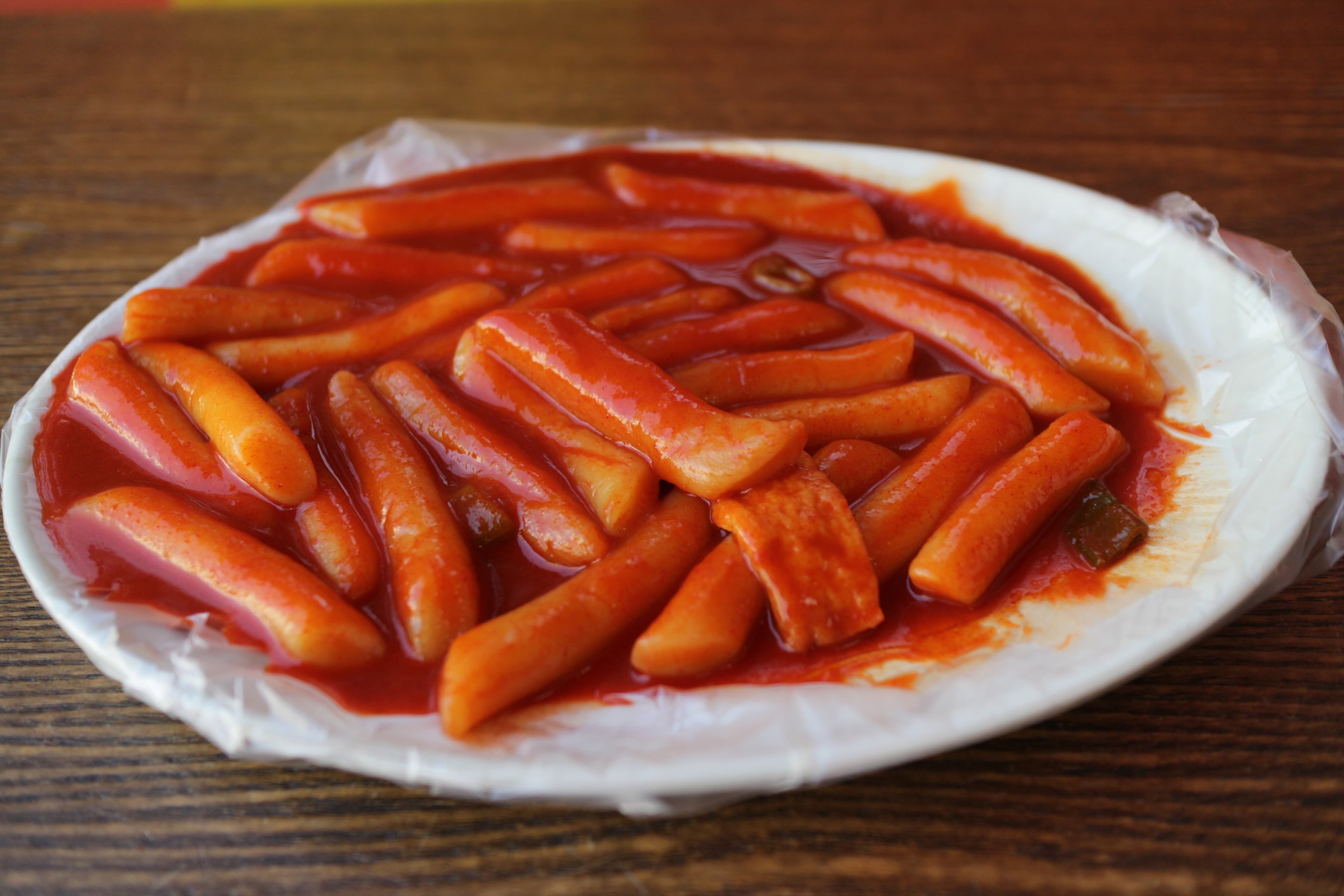
One of the most natural ways to eat sundae is to dip it into tteokbokki sauce. The sundae is mild; the red sauce adds heat, sweetness, and stickiness. Order sundae with tteokbokki at a bunsik shop and the two foods feel meant for the same table — tteokbokki for spicy chew, twigim for fried crunch, eomuk for warm broth, sundae for something soft and heavier. For a first try, order it with tteokbokki rather than alone; that is how Koreans usually experience it.
Some places serve sundae with liver, lung, or other offal pieces, which can surprise visitors. At a market or old-style shop, the owner may ask whether you want "everything" included — sundae plus extra organ pieces. Some people love those parts; some skip them. Both are normal; start with only sundae if you are unsure. Dipping sauce also varies: salt or seasoned salt in some places, ssamjang or chojang in others depending on region and shop.
Sundae is not one fixed food either. The basic bunsik-shop version is simple and made for quick eating. Chapssal sundae uses glutinous rice and can feel fuller and more old-fashioned. Regional styles use more blood, different fillings, or richer texture — Byeongcheon sundae is a regional name many Koreans recognize. A school-area bunsik shop, a market stall, and a regional specialty restaurant will not feel the same; they are just different sundae moods.
The most approachable first try is at a bunsik shop or market stall: a small portion with tteokbokki if you can. Try one piece plain, then dip the next in sauce; if the shop gives you salt, try that too. Sundae often makes more sense after the second or third bite — the first is about getting used to the idea, then texture and sauce pairing become easier. It is cheap enough to share, filling enough for a snack meal, mild enough to balance spicy food, and familiar enough that many Koreans connect it with school days, market streets, and late-night delivery.
Do not treat it like a scary food just because the English translation says blood sausage. Treat it like Korean snack-shop food — a soft, savory piece on the same table as red tteokbokki, fried twigim, and warm eomuk broth, with someone saying, "Just try one." That is usually when sundae makes the most sense: not alone, not as a dare, but as part of the plate.
Keep exploring
Food guide
A local-friendly guide to Korea’s spicy rice cake snack, from chewy tteok and red sauce to bunsik shops, markets, and classic add-ons.
Read guide →
Food guide
A local-friendly guide to Korean fried snacks, from gimmari and fried mandu to the very Korean habit of dipping twigim in tteokbokki sauce.
Read guide →
Food guide
A local-friendly guide to Korean fish cake, from street-stall skewers and warm broth to the many shapes you see in tteokbokki, soup, and snack shops.
Read guide →
Food
Simple HAEMIL food guides for understanding what to eat in Korea and how to order without turning every meal into homework.
Read guide →