Korea Autumn Foliage 2026: When and Where to See Fall Colors
Autumn foliage in Korea does not arrive all at once. It moves down the map over several weeks, starting in the northern mountains and finishing along the southern coast — so the right time to go really depends on which part of the country you are visiting.
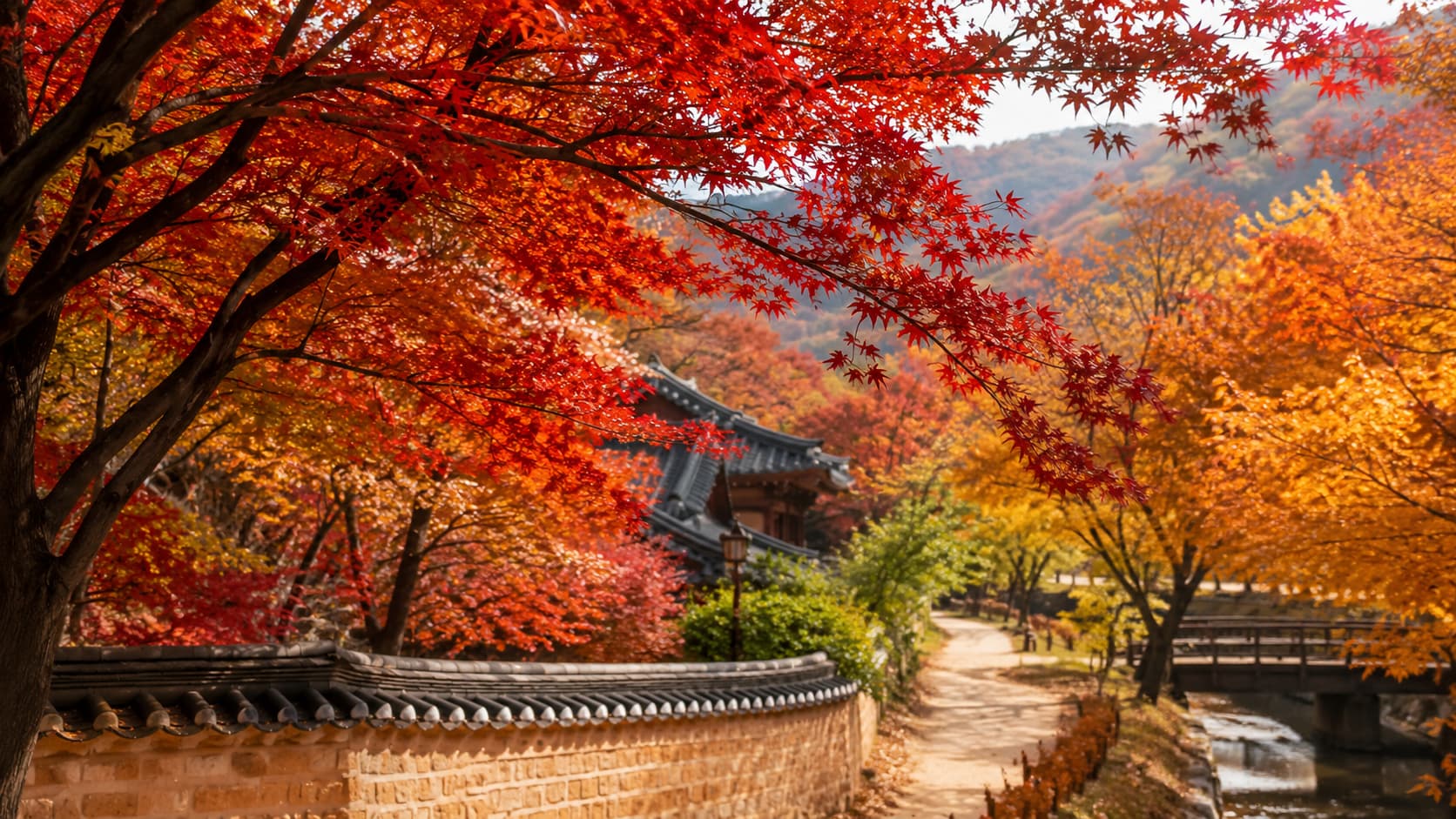
AI-generated image by HAEMIL · Owned by HAEMIL
Quick facts
•General pattern: colors move north to south, and high mountains to lower cities, over several weeks
•Earliest color: northern mountain areas such as Seoraksan and Odaesan, typically late September to mid-October
•2026 note: early color was already observed around the high-elevation Daecheongbong area of Seoraksan in late August, but this does not mean the whole mountain had reached first foliage or peak color
•Mid-season: Seoul and central Korea, typically late October to early November
•Latest color: southern regions such as Busan and Naejangsan, typically mid-to-late November
•Official forecast: An official nationwide 2026 foliage forecast had not been confirmed at the time of writing — check updated Korea Forest Service, KMA, or VisitKorea information closer to your trip
•This guide covers general timing and regions, not a full map — pair it with a maps app once you pick a destination
Where to look as the season moves south
•Northern mountains — Seoraksan / Odaesan — Typically the earliest color, from late September to mid-October
•Seoul & central Korea — Typically late October to early November
•Southern Korea — Naejangsan / Busan region — Typically the latest color, mid-to-late November
The easiest way to think about Korean autumn foliage is as a slow wave moving from north to south, and from high ground to low ground. Northern mountain areas — Seoraksan and Odaesan are the two most talked about — usually turn first, from late September into mid-October. In 2026, early color was already observed around the high-elevation Daecheongbong area of Seoraksan in late August, but that does not mean the whole mountain had reached first foliage or peak color. A handful of international travel sites have also published their own 2026 predictions with narrower date ranges for these mountains, but those are travel-industry estimates, not an official forecast. An official nationwide 2026 foliage forecast had not been confirmed at the time of writing — check updated Korea Forest Service, KMA, or VisitKorea information closer to your trip.
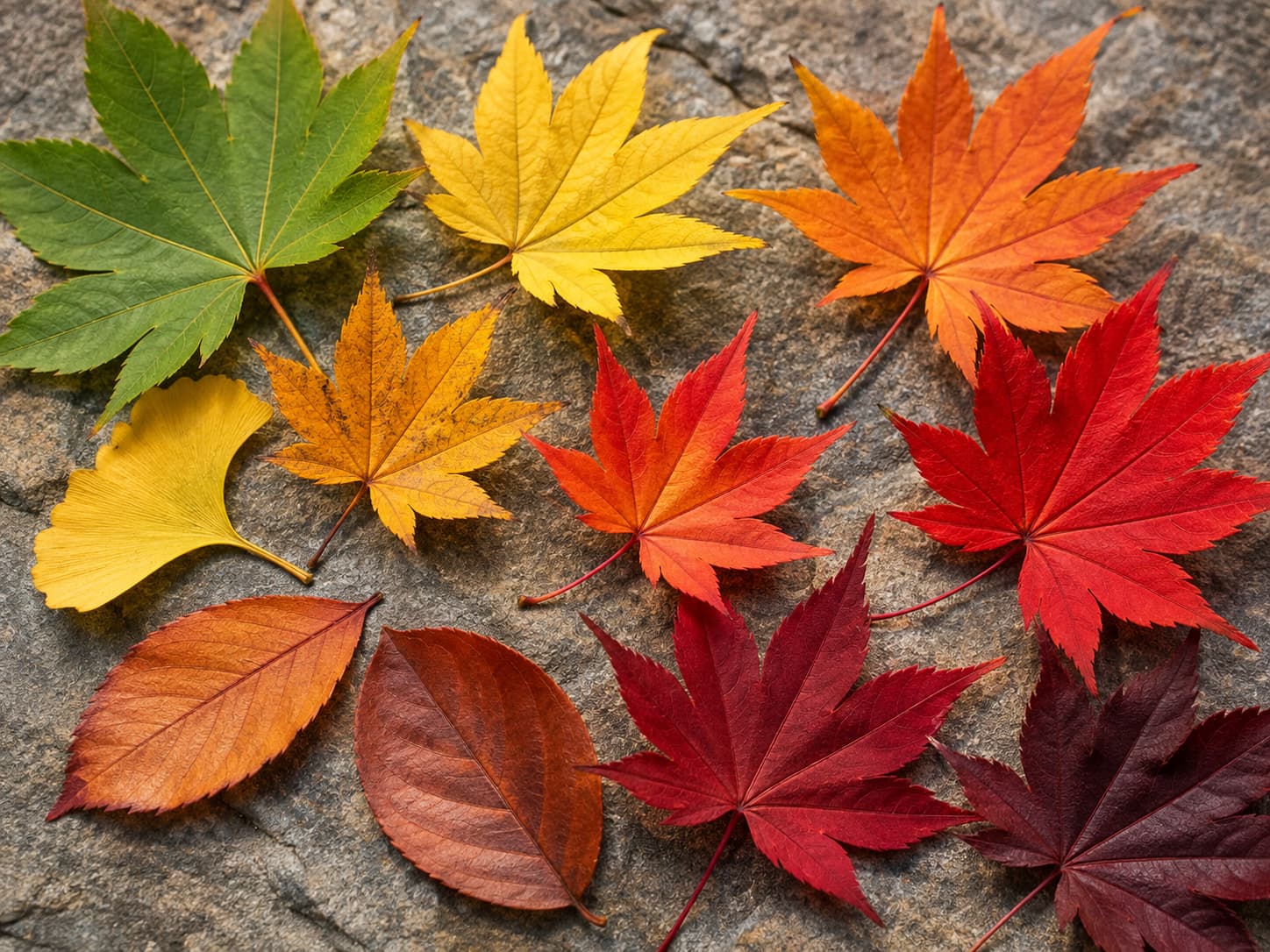
AI-generated image by HAEMIL · Owned by HAEMIL
Once the color starts moving south, Seoul and the rest of central Korea are next, generally landing somewhere in late October to early November. This is the stretch most first-time visitors end up seeing, since it overlaps with a lot of standard Korea itineraries. Expect city parks, palace grounds, and hillside trails to fill up with both color and crowds during this window — the same popular-area crowding that shows up during cherry blossom season in spring, just with reds and oranges instead of pink.
Southern regions, including Busan and areas like Naejangsan, turn last, typically in the mid-to-late November range. If your trip falls later in the season, heading south is generally your better bet for still catching color once Seoul has already passed peak.
One honest caveat worth repeating: none of the specific dates above are locked in this far ahead of the season. Korean autumn foliage timing shifts from year to year based on temperature and rainfall, and the estimates become more useful as the season gets closer and more current observations become available. If your travel dates are flexible, it is worth checking an updated forecast a few weeks before you go rather than booking everything around a prediction made months in advance.