

International Seoul for First-Time Visitors: Itaewon, Hannam, Haebangchon, and Yongsan
A map-friendly International Seoul guide for first-time visitors, covering Itaewon, Hannam-dong, Haebangchon, Gyeongnidan-gil, Noksapyeong, Leeum, and Yongsan.
Quick guide
Quick International Seoul guide
What this area feels like
- International Seoul feels mixed, layered, and less easy to define than one shopping street or palace area.
- This area is good for global food, hillside streets, cafes, bars, art spaces, design shops, and a local-global Seoul mood.
- Itaewon feels open and international, Haebangchon feels hillside and casual, Hannam feels more polished, and Yongsan gives the area a broader city background.
Best places to put on your map
- Itaewon: Global food, mixed streets, international mood, and one of Seoul’s most recognizable cultural crossroads.
- Gyeongnidan-gil: A sloped street area near Itaewon with cafes, food, and a quieter walking mood.
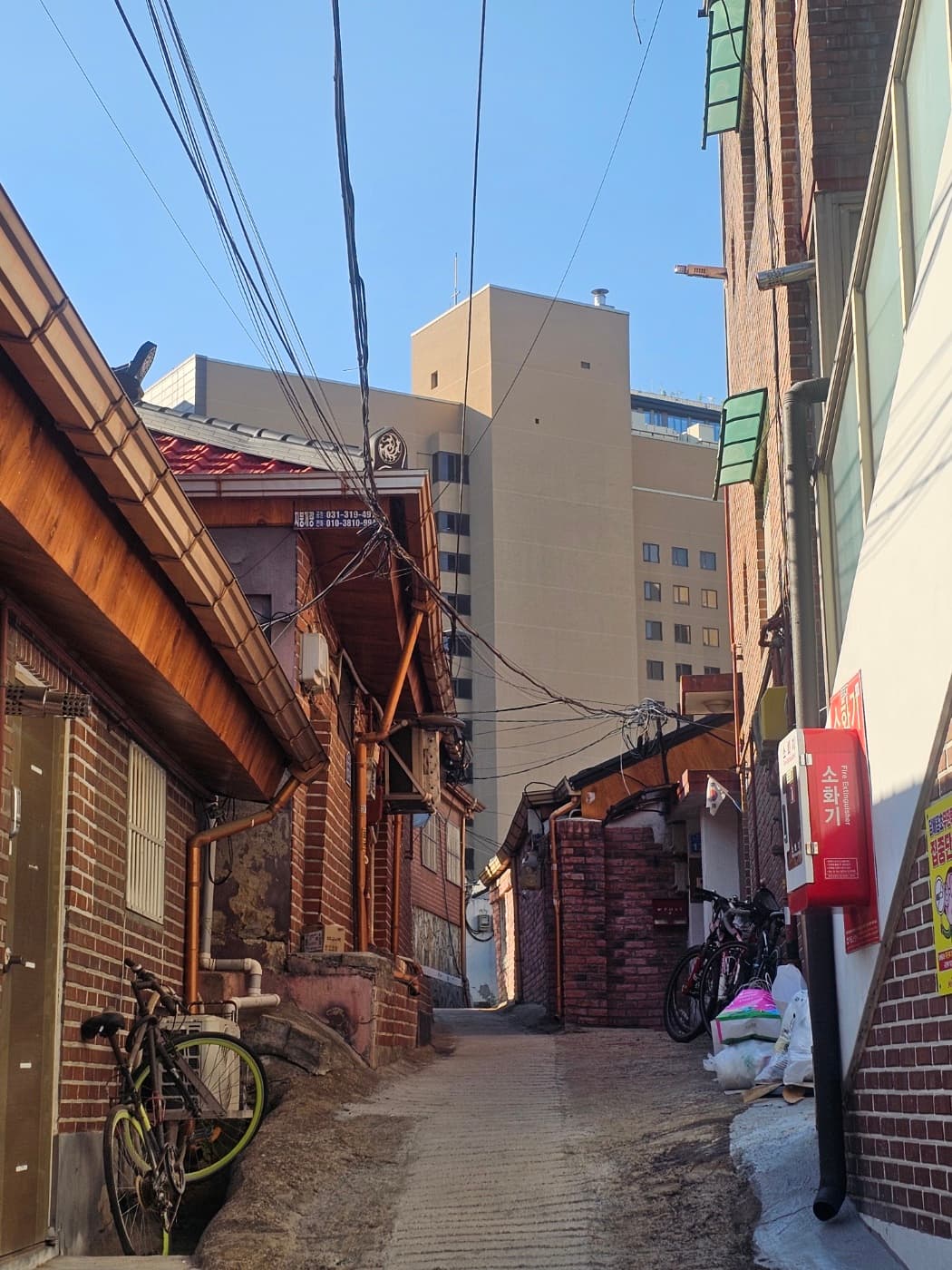
- Usadan-ro: Smaller Itaewon-side streets with a more local, hillside feeling.
- Haebangchon: Hillside streets, cafes, bars, views, and a relaxed neighborhood mood near Namsan.
- Noksapyeong: A useful connector between Itaewon, Haebangchon, and Gyeongnidan.
- Hannam-dong: Cafes, restaurants, design shops, galleries, and a quieter polished mood.
- Leeum Museum of Art: A major art stop near Hannam and Hangangjin.
- Yongsan: A wider district that helps explain the area’s mixed military, international, residential, and cultural background.
Good for
- First-time visitors who want Seoul to feel diverse and layered.
- Travelers interested in global food, cafes, art, design, and hillside walks.
- People who want an international mood without making the night only about clubs or bars.
- Visitors who want a contrast with Old Seoul, West Seoul, Trendy Seoul, Shopping Seoul, and Night Seoul.
How to visit
- Do not try to turn this area into one checklist.
- Choose one anchor first: Itaewon for global food, Haebangchon for hillside streets, Hannam for art and cafes, or Yongsan for a wider city context.
- Some streets are steep, so comfortable shoes matter more here than in flat shopping areas.
- If you visit at night, keep the plan simple and focus on food, walking, and one or two streets instead of rushing around.
Pair with another HAEMIL guide
- Read the Old Seoul guide if you want palaces, hanok alleys, markets, and older city layers.
- Read the West Seoul guide if you want a younger, looser, more casual side of the city.
- Read the Trendy Seoul guide if you want cafes, pop-ups, fashion, beauty, and polished modern Seoul.
- Read the Shopping Seoul guide if you want Myeongdong, Namsan, Dongdaemun, DDP, cosmetics, and shopping streets.
- Read the Night Seoul guide if you want Han River, Namsan, Euljiro, late-night streets, and quiet city moods.
- Read the K-drama Seoul guide if you want to understand why ordinary streets, cafes, and night walks often feel emotional on screen.
Related guide
Travel guide
Old Seoul for First-Time Visitors
Read guide →
Travel guide
West Seoul for First-Time Visitors
Read guide →
Travel guide
Trendy Seoul for First-Time Visitors
Read guide →
Travel guide
Shopping Seoul for First-Time Visitors
Read guide →
Travel guide
Night Seoul for First-Time Visitors
Read guide →
Drama guide
Why Seoul Feels Like a K-drama
Read guide →
Food guide
What to Eat in Seoul for First-Time Visitors
Read guide →
Map at a glance
International Seoul stops on your map
Open a spot in Google Maps to see where it sits. No heavy map embed here — just quick links you can use while planning.
Itaewon & global streets
Neighborhood
Itaewon
A recognizable international area for global food, mixed streets, cafes, bars, and a layered local-global Seoul mood.
Open in Google Maps →Street
Gyeongnidan-gil
A sloped Itaewon-side street area with cafes, food, and a quieter walking mood than the busiest main streets.
Open in Google Maps →Street
Usadan-ro
Smaller Itaewon-side streets that can feel more local, hillside, and less obvious to first-time visitors.
Open in Google Maps →Hillside & Haebangchon
Neighborhood
Haebangchon
A hillside neighborhood near Namsan with cafes, bars, views, and a relaxed mixed-city mood.
Open in Google Maps →Neighborhood
Noksapyeong
A useful connector between Itaewon, Haebangchon, and Gyeongnidan, especially for walking between hillside streets.
Open in Google Maps →Hannam & art
Neighborhood
Hannam-dong
A quieter and more polished area for cafes, restaurants, galleries, design shops, and art-focused stops.
Open in Google Maps →Museum
Leeum Museum of Art
A major art stop near Hannam and Hangangjin, useful when you want this area to feel cultural rather than only food-focused.
Open in Google Maps →Yongsan & city layers
District
Yongsan
A wider district that helps explain the area’s mixed military, international, residential, and cultural background.
Open in Google Maps →Full guide
International Seoul is not one single street. It is a cluster of neighborhoods around Itaewon, Hannam, Haebangchon, Noksapyeong, and Yongsan where Seoul feels mixed, global, hillside, artistic, and layered.
This area is often described through nightlife, but that is too narrow. For first-time visitors, International Seoul can also mean global food, small cafes, steep streets, art spaces, design shops, quiet residential corners, and a city mood that does not fit neatly into one category.
Itaewon is the easiest place to start. It has long been one of Seoul’s most recognizable international areas, with global restaurants, mixed streets, and a wide range of visitors. It can feel busy, but it is useful because it shows a side of Seoul that is less uniform than many first-time travel images suggest.
Gyeongnidan-gil gives the area a more sloped and slower feeling. It is close to Itaewon but often feels less direct. The street works well when you want cafes, food, and walking without staying only on the busiest blocks.
Usadan-ro is useful for understanding the smaller Itaewon-side mood. It is not as obvious as the main street, but that is part of the point. The area can feel more local, more hillside, and more personal than the places visitors usually hear about first.
Haebangchon, often shortened to HBC, has one of the strongest hillside moods in this guide. The streets climb toward Namsan, and the area mixes cafes, bars, small restaurants, views, and a relaxed neighborhood feeling. It is good for visitors who like walking through a place rather than only arriving at one landmark.
Noksapyeong is a connector. It helps link Itaewon, Haebangchon, and Gyeongnidan. You may not plan your whole day around it, but it helps explain how these neighborhoods sit together on the map.
Hannam-dong changes the mood again. It feels quieter, more polished, and more design-focused than central Itaewon. Cafes, restaurants, galleries, showrooms, and small streets make Hannam a good choice when you want International Seoul to feel calmer and more refined.
Leeum Museum of Art gives the area a strong cultural anchor. It helps visitors understand that Hannam and Hangangjin are not only about cafes or restaurants. They are also connected with art, architecture, exhibitions, and a more thoughtful city mood.
Yongsan gives this whole area a wider background. The district has military history, international influence, residential areas, transport links, parks, museums, shopping, and changing city spaces. It is not always easy to summarize, but that complexity is exactly why it belongs in this guide.
The best way to visit International Seoul is to choose one mood first. If you want global food and mixed streets, start with Itaewon. If you want hillside walks, start with Haebangchon or Gyeongnidan. If you want art and a more polished mood, start with Hannam and Leeum. If you want to understand the wider district, keep Yongsan on your map.
Compared with Old Seoul, this area feels less historical and more mixed. Compared with West Seoul, it feels less youthful and more international. Compared with Trendy Seoul, it feels less polished in some places and more layered. Compared with Shopping Seoul, it is less practical and more atmospheric. Compared with Night Seoul, it can work both during the day and after dark.
For K-drama fans, International Seoul may feel familiar in a quieter way. These are the kinds of areas where a hillside walk, a cafe table, a night street, a museum stop, or a conversation after dinner can feel like part of a story. The area does not need to look dramatic to feel memorable.
Cultural Context
The feeling behind the scene
International Seoul is important because it shows that Korean city life is not only traditional, trendy, or commercial. Itaewon, Hannam, Haebangchon, Noksapyeong, and Yongsan show how Seoul has absorbed foreign influence, local history, military presence, art spaces, global food, residential life, and changing urban identity into one area. For visitors, this part of Seoul can feel less simple, but that is what makes it interesting.
More notes
Keep exploring Korea
Korean Nightlife
Seoul After Midnight: Why Korea Feels Alive at Night
The city does not simply sleep. It softens, glows, and keeps small doors open.
Read note →
Travel
Where Koreans Actually Go in Busan: A Map-Friendly Guide for First-Time Visitors
Busan is not only Haeundae. This guide collects the places many Korean travelers actually visit: sea-view villages, markets, cafe streets, night beaches, coastal trains, food stops, and easy areas to stay.
Read note →
Travel
Old Seoul for First-Time Visitors: Jongno, Ikseon-dong, Insadong, and Bukchon
Old Seoul is where palaces, hanok alleys, tea houses, markets, and quiet city walks sit close together. This guide explains where to go and what each area feels like.
Read note →