


Travel guide
3 Days in Gangneung, Korea: A Local's Honest Food & Beach Trip
Three days of local food, long restaurant queues, black sesame coffee, and quiet moments by the sea.
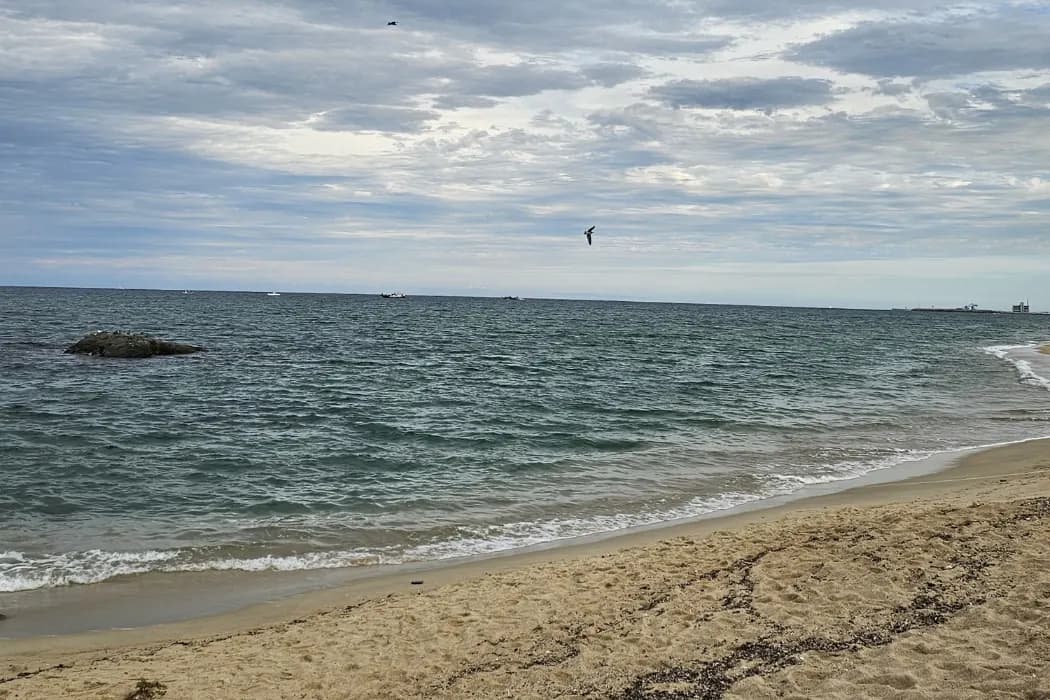
Gangneung is one of those places in Korea where you can enjoy the sea, try local food, and spend an entire afternoon exploring cafés.
I visited Gangneung for three days and two nights, from September 11 to 13, 2026. It was already September, but the weather still felt a little like summer.
This wasn't a perfectly planned trip. Some places had much longer waits than I expected, a few foods were so popular that I couldn't even try them, and some of my favorite moments happened while simply walking around.
Here's what my trip was actually like, along with a few tips I'd share with a friend visiting Gangneung for the first time.
Getting from Seoul to Gangneung by KTX
I traveled from Seoul Station to Gangneung Station by KTX, and took the train back to Seoul at the end of the trip.
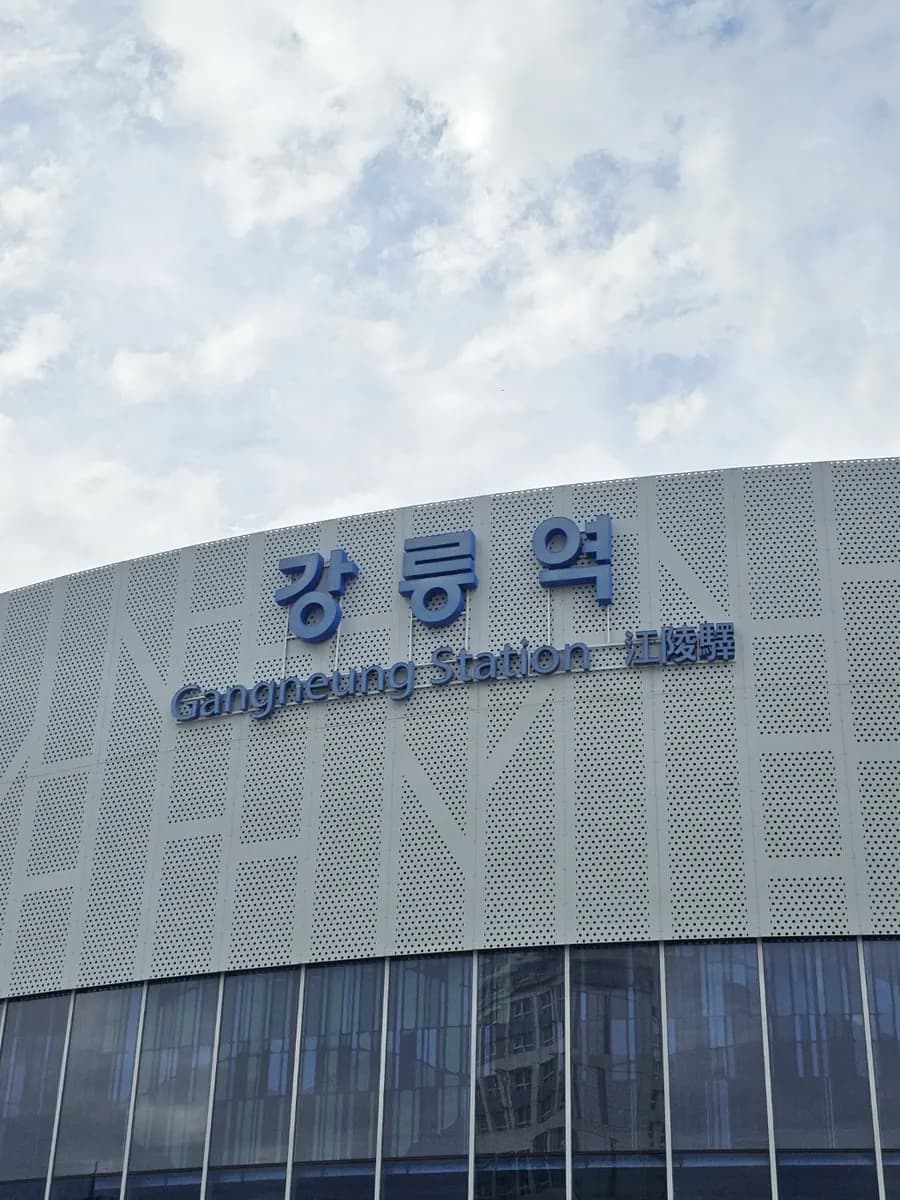
If you're visiting Gangneung over a weekend, I strongly recommend booking your train tickets in advance.
Popular departures can sell out, especially when many people are heading to Gangneung for a weekend trip.
Standing tickets may be available on certain trains, but they're limited too. I wouldn't rely on getting one at the last minute.
You can check train schedules and reservations through KORAIL before your trip.
Day 1 — Tangsuyuk, Gangneung Central Market, and a Night In
A takeaway dinner from Yukyoung Tangsuyuk
One of the first things I did after arriving in Gangneung was pick up food from Yukyoung Tangsuyuk (육영탕수육).
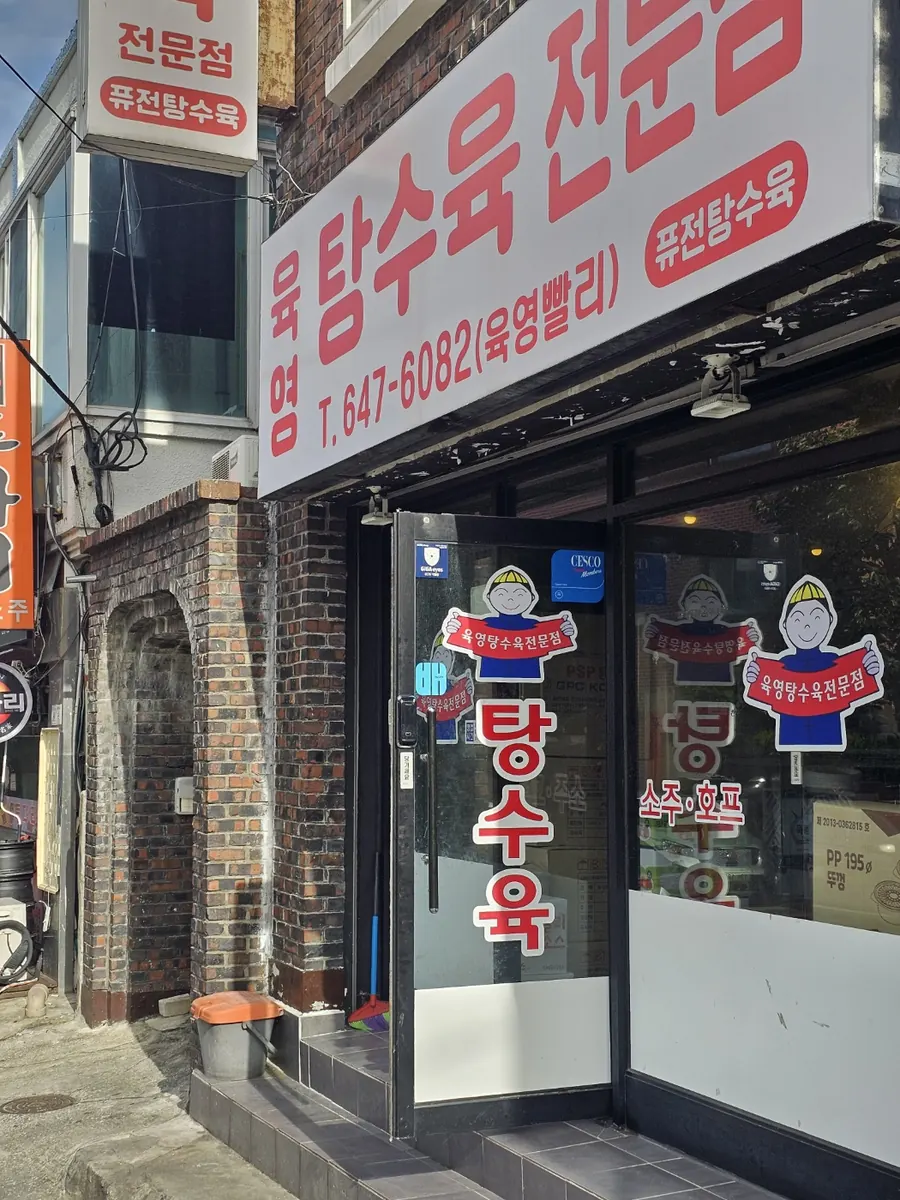
I'm a big fan of tangsuyuk, Korean-style sweet-and-sour fried pork, so this was one of the places I wanted to try.
I ordered a half-and-half combination of two interesting versions:
- Gamkeutang (감크탕): Potato cream tangsuyuk, with a rich, creamy sauce.
- Gimpitang (김피탕): Kimchi pizza tangsuyuk, combining kimchi, cheese, and fried pork.
Both were delicious, and the portion was generous.
Even though they were both tangsuyuk, the textures and aromas were noticeably different. That contrast was part of what made the meal so enjoyable.
After picking up the food, I checked into my accommodation.
And if I visit Gangneung again? I'd happily order from Yukyoung Tangsuyuk another time.
An evening at Gangneung Central Market
Later, I visited Gangneung Central Market (강릉중앙시장, also written as Gangneung Jungang Market) to pick up more food.
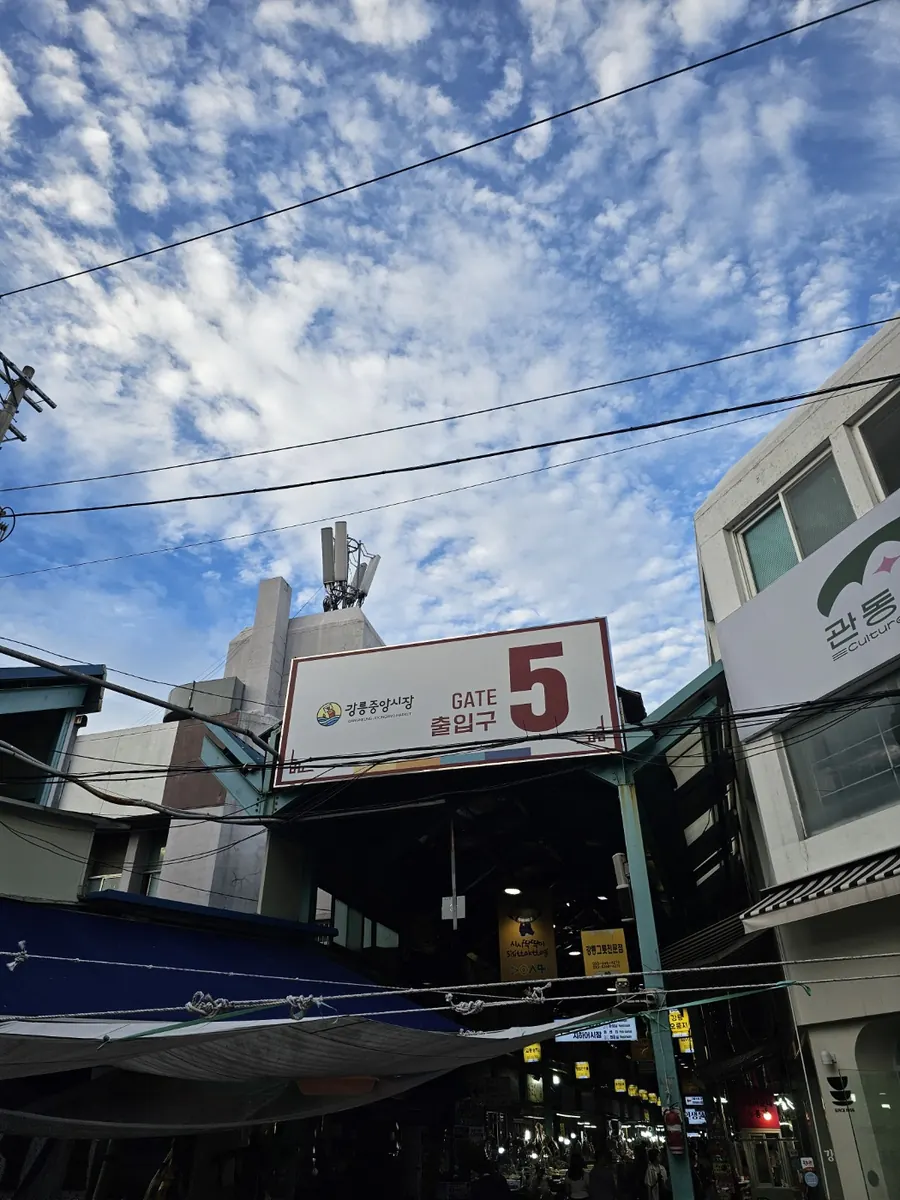
The market had plenty of tempting options, including food stalls in its night-market area.
I bought pad Thai and a small portion of sliced raw fish, known in Korean as hoe (회).
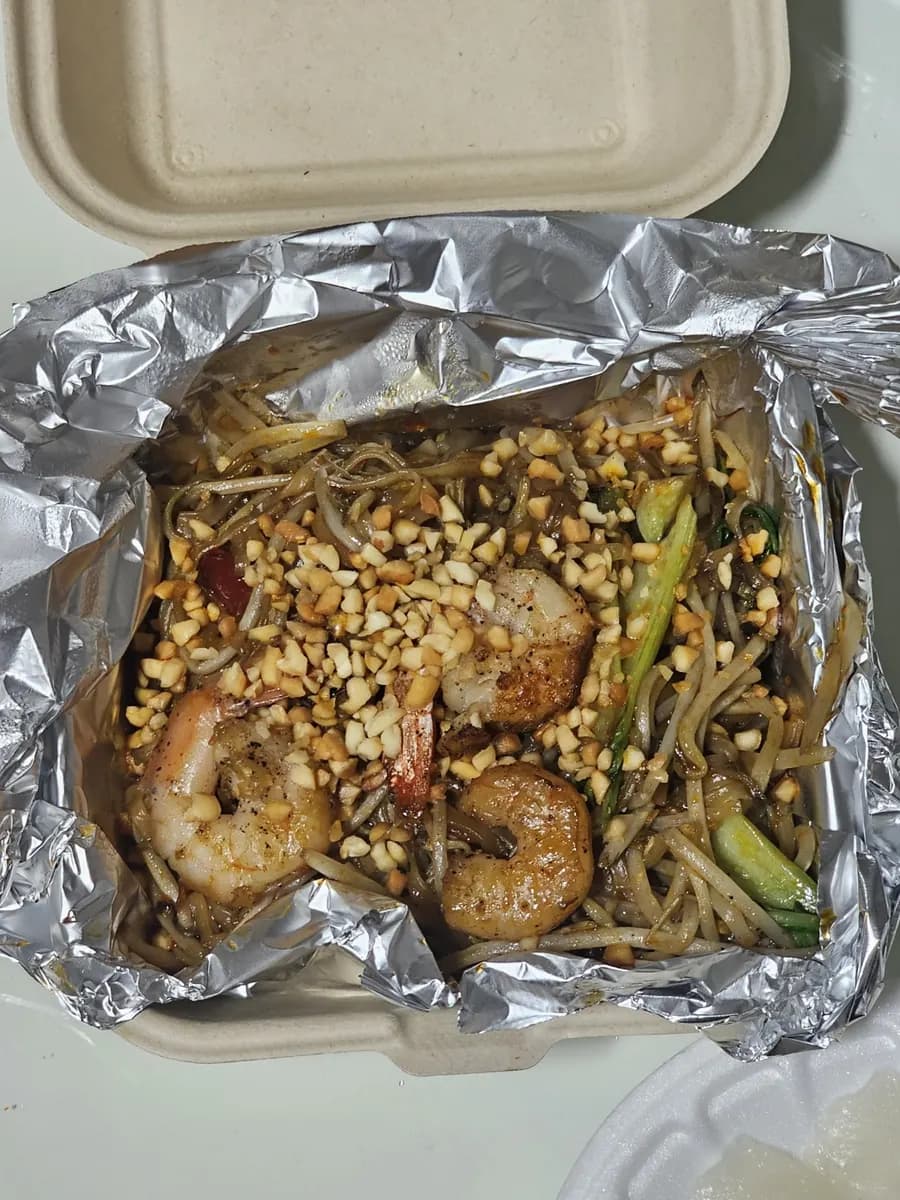
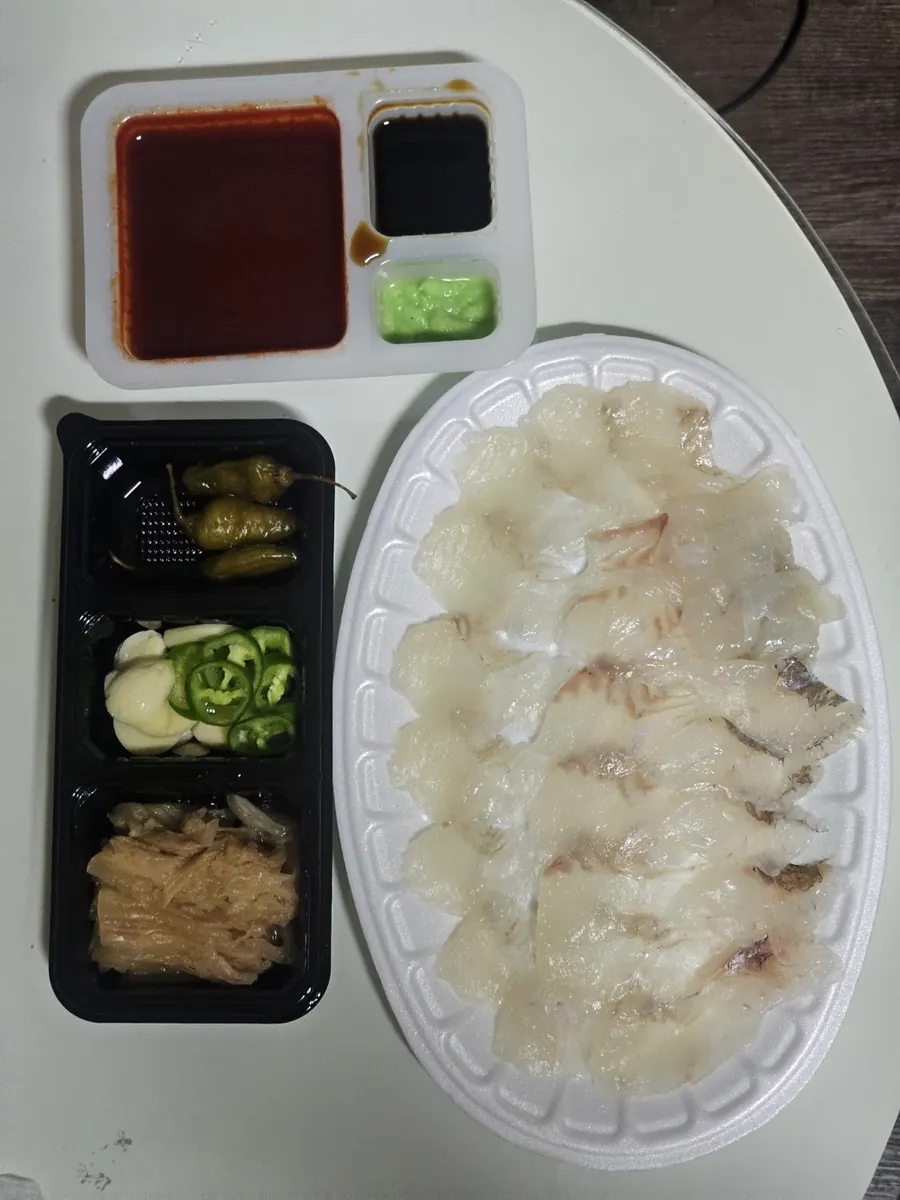
One thing I liked was that some vendors offered individual portions of raw fish.
From what I remember, my portion cost around ₩15,000, although prices and availability can change.
This can be a nice option if you're traveling alone or want to try several different foods without buying a large seafood platter.
I took the food back to my accommodation and enjoyed dinner there.
The potato snack I couldn't try
I also came across Gilgamja (길감자), a potato snack shop that seemed especially popular with Korean visitors.
The line was incredibly long.
I ended up taking a photo of the shop sign rather than joining the queue.
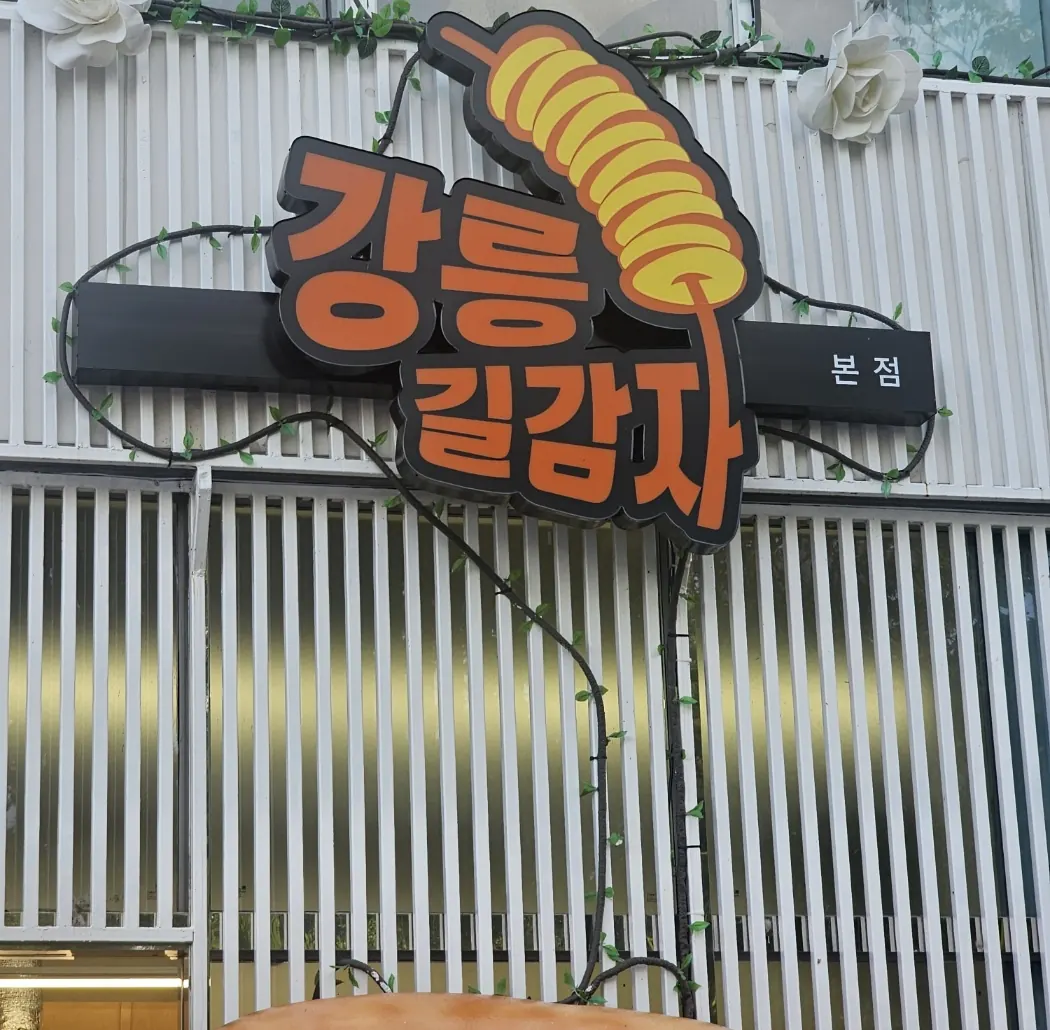
Sometimes that's part of traveling too. You can't try everything, especially when the most popular places attract such big crowds.
Day 2 — Jjamppong Sundubu, Hojicha, and Gangmun Beach
Donghwa Garden: Was the two-hour wait worth it?
One of Gangneung's well-known local dishes is jjamppong sundubu (짬뽕순두부).
It combines a spicy, seafood-flavored jjamppong-style broth with soft tofu. Unlike a typical bowl of jjamppong noodles, the focus here is the tofu.
I first heard about Donghwa Garden (동화가든) from a taxi driver in Gangneung.
He told me it was famous as an original jjamppong sundubu restaurant and mentioned a patent connected to the dish.
In Korea, taxi drivers sometimes know long-established local restaurants and can give you interesting recommendations. It can be worth asking where they like to eat, although everyone's tastes are different.
When I arrived at Donghwa Garden, the number of people waiting was unbelievable.
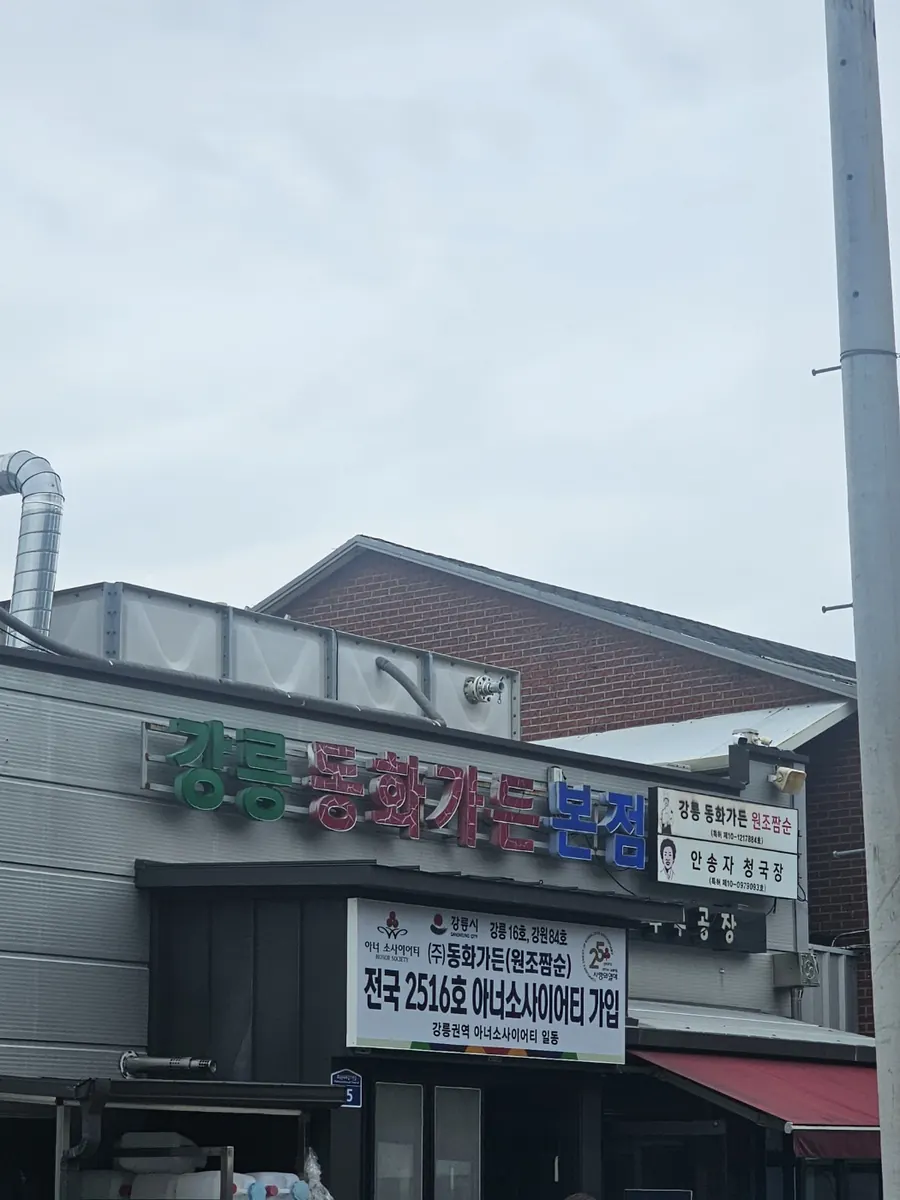
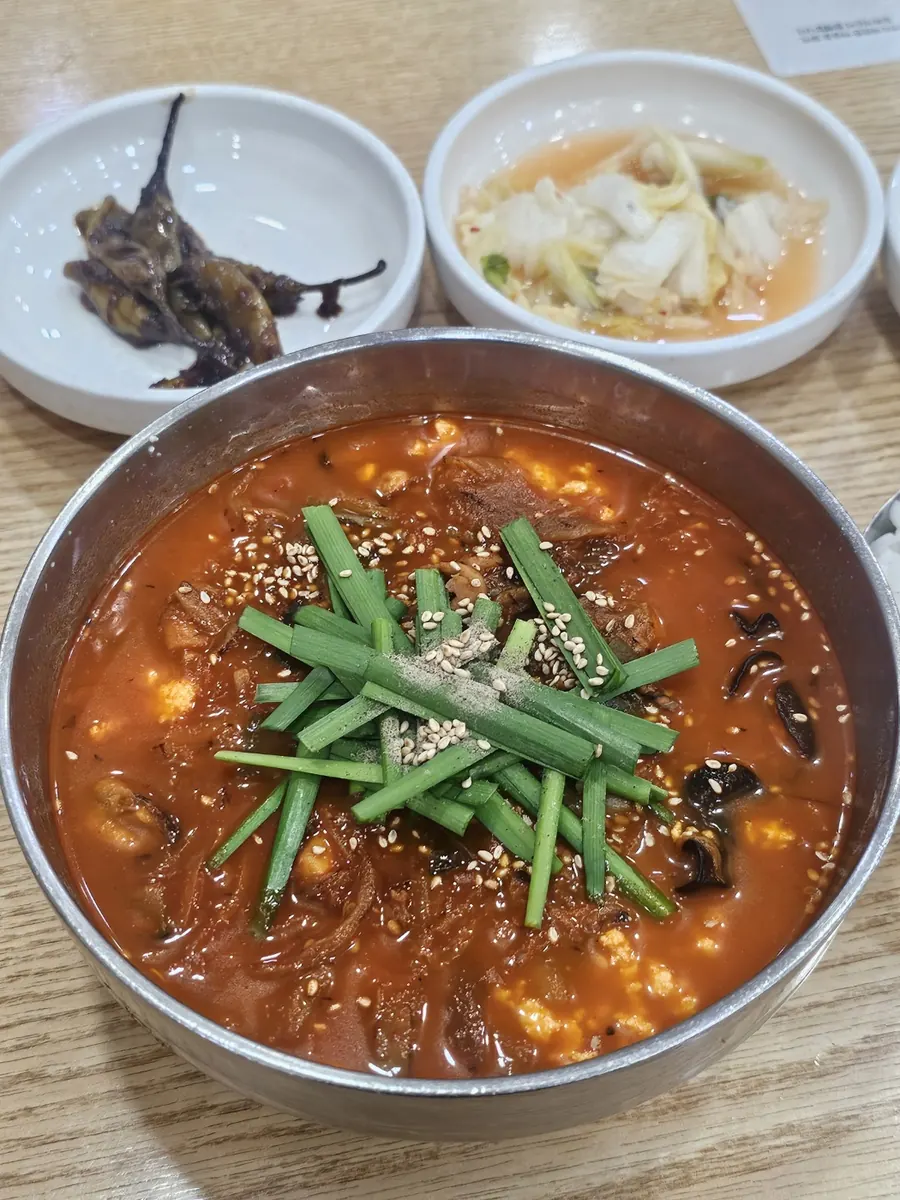
I waited around two hours.
The restaurant was clearly popular, but that much waiting can take a big part of your travel day.
If you want to visit, my advice is to check whether remote queue registration is available through a Korean waiting-list app such as Tabling.
You may be able to register before arriving, but make sure you understand the check-in rules and keep an eye on your position. Availability and the process can change.
Donghwa Garden is also in the Chodang area, making it convenient to combine with nearby cafés and a visit to Gangmun Beach.
My tip: Plan around the waiting time, not just the meal itself.
Matcharo: A little hojicha break
After Donghwa Garden, I visited Matcharo (말차로), a café focused on takeaway drinks.
I enjoy hojicha, so I believe I ordered a hojicha latte.
If you're unfamiliar with hojicha, it's a Japanese roasted green tea. Unlike matcha, which is made from powdered green tea, hojicha has a warm, toasted aroma from the roasting process.
The café had a small outdoor seating area, which would be especially pleasant on a nice day.
There were also trees and traditional-looking earthenware jars outside, adding a little character to the space.
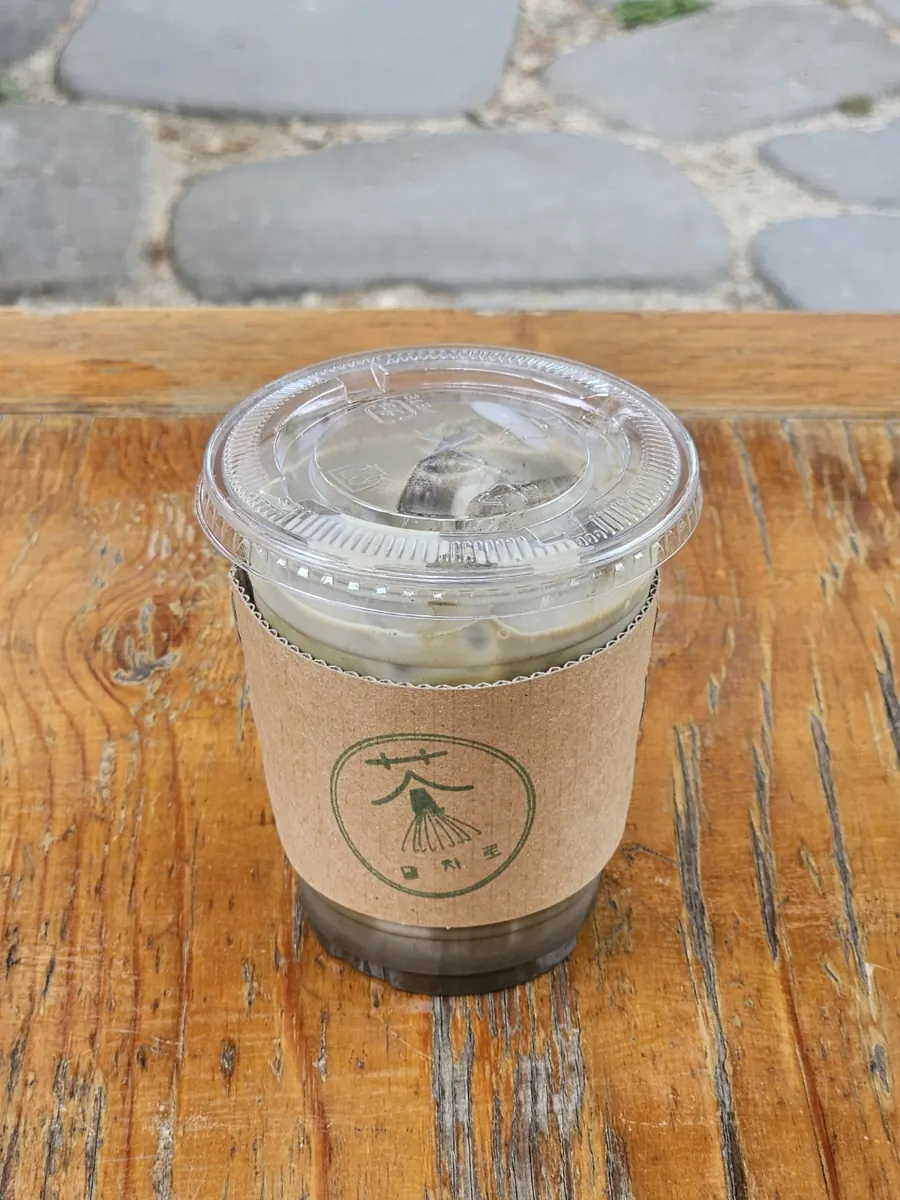
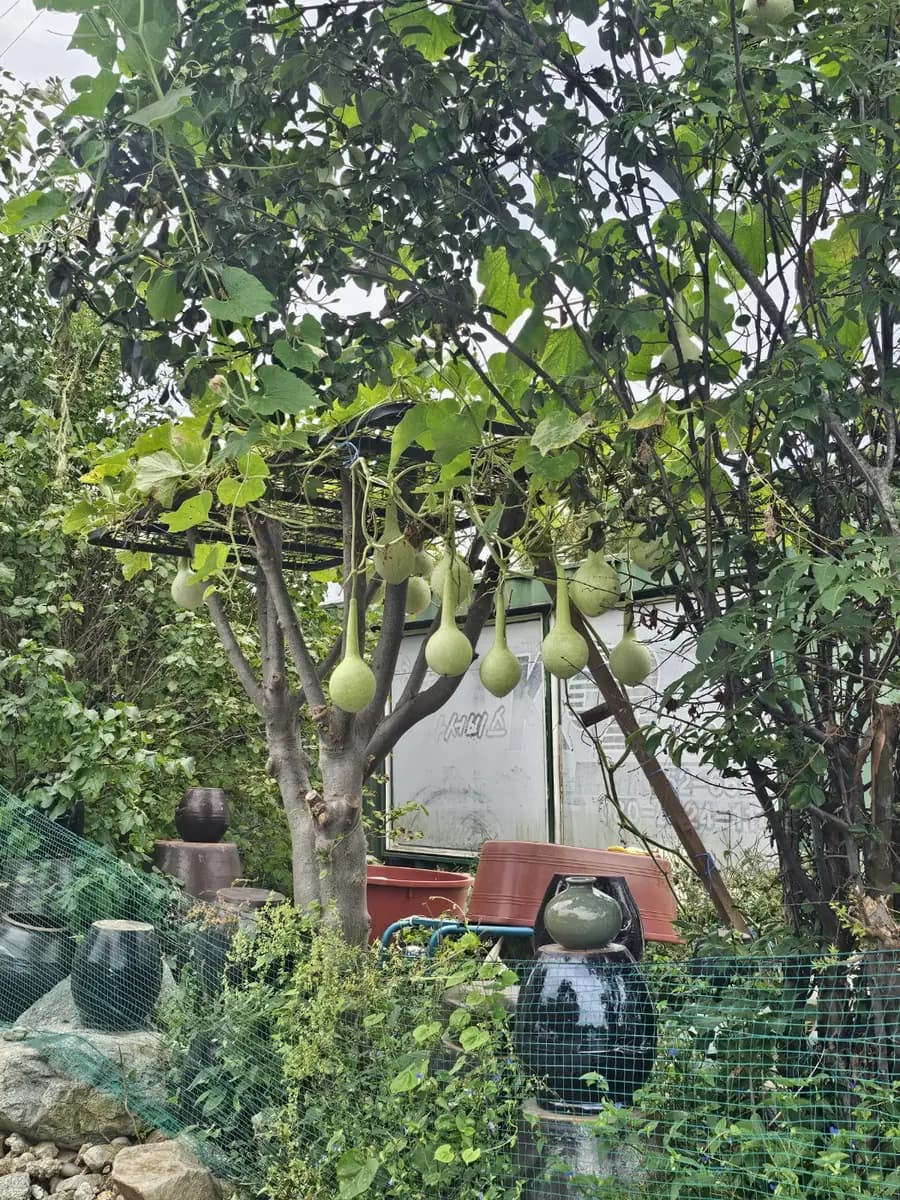
It's the kind of place where you can grab a drink and enjoy a short break without needing a long café visit.
Gangmun Beach: My favorite kind of slow travel
After the cafés and food, it was time for the sea.
Gangmun Beach (강문해변) was one of the places I enjoyed walking around.
The blue water, gentle waves, and open sky made it a refreshing change from busy restaurants and long queues.
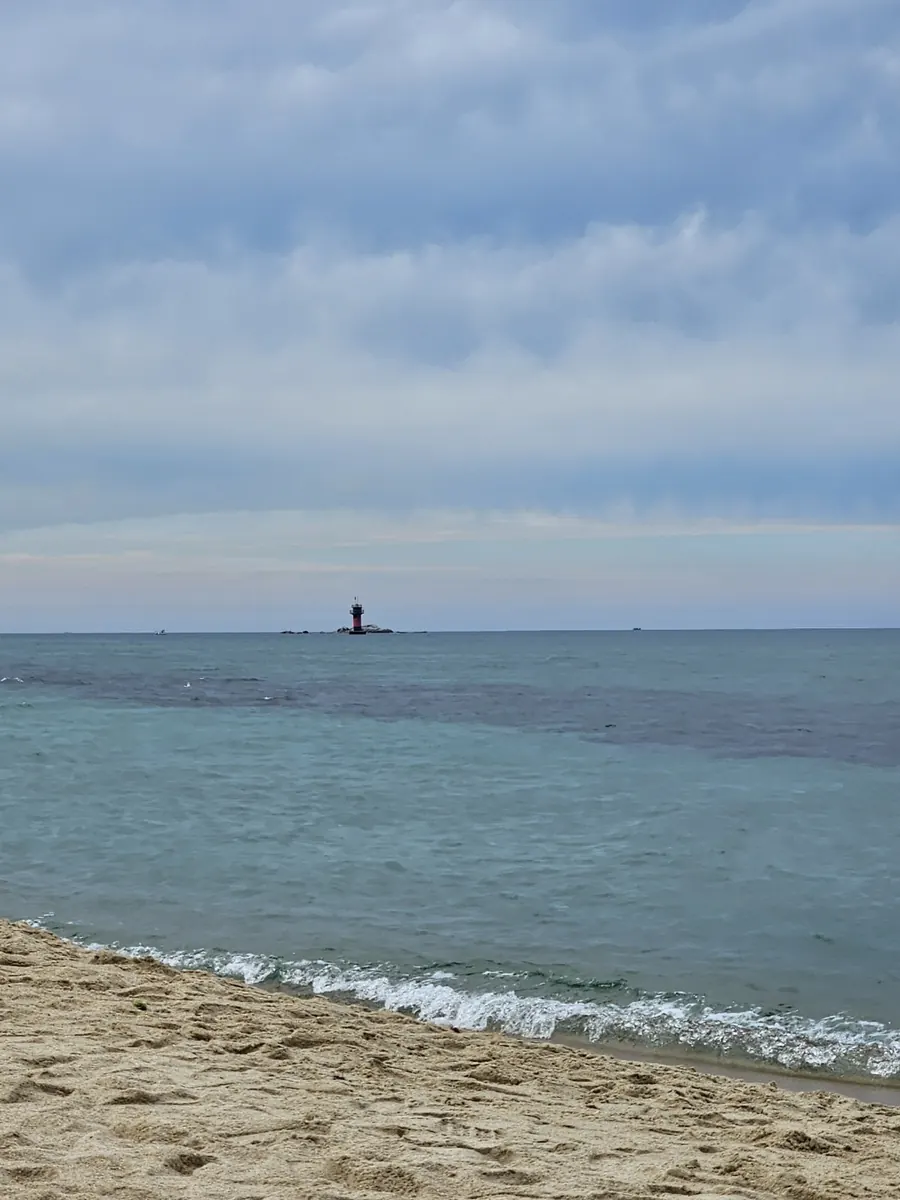
I took quite a few photos and videos here, including the waves and seagulls flying over the beach.
Some of the other photos from my trip were simply of interesting buildings and pine trees that caught my attention while walking.
Not every part of a trip needs to be a famous attraction.
Sometimes, just wandering around and noticing small details is enough.
Day 3 — Spicy Jang Kalguksu and Black Sesame Coffee
Geumcheon Kalguksu: A cleaner-tasting bowl than I expected
On my final day, I went to Geumcheon Kalguksu (금천칼국수), another well-known restaurant in Gangneung.
There was a wait of around 20 minutes.
The restaurant focuses on jang kalguksu (장칼국수), a Korean noodle soup with a spicy, seasoned broth.
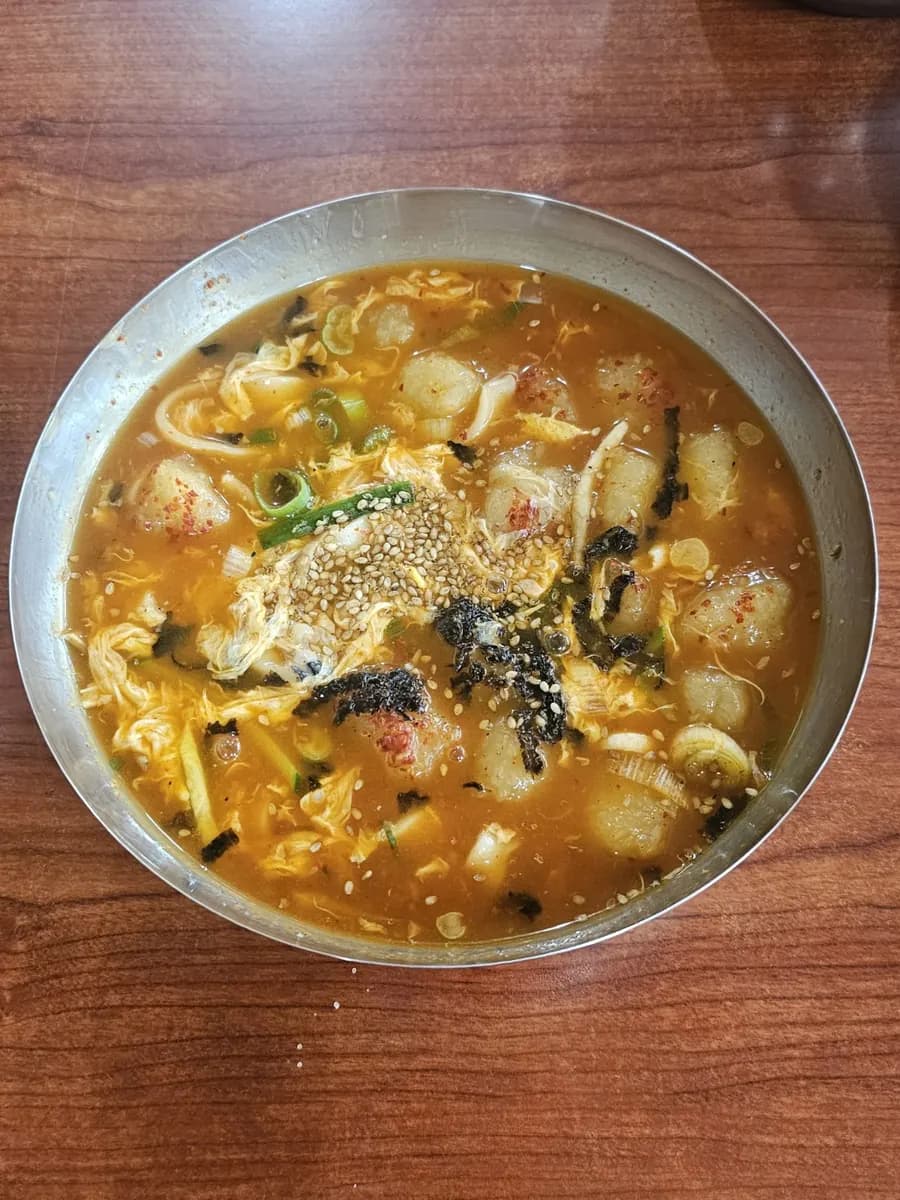
I've had jang kalguksu before, and I sometimes find the flavor a little heavy or muddled.
But the bowl I had here tasted surprisingly clean and well-balanced.
It was still spicy. From what I remember, I'd compare the heat to Shin Ramyun, one of Korea's best-known spicy instant noodles.
That's just my personal comparison, though. If you're sensitive to spicy food, it may feel quite hot.
Making your own rice balls
Another enjoyable part of the meal was the self-serve rice balls, or jumeokbap (주먹밥).
In some Korean restaurants, you're given seasoned rice and disposable plastic gloves so you can shape your own little rice balls.
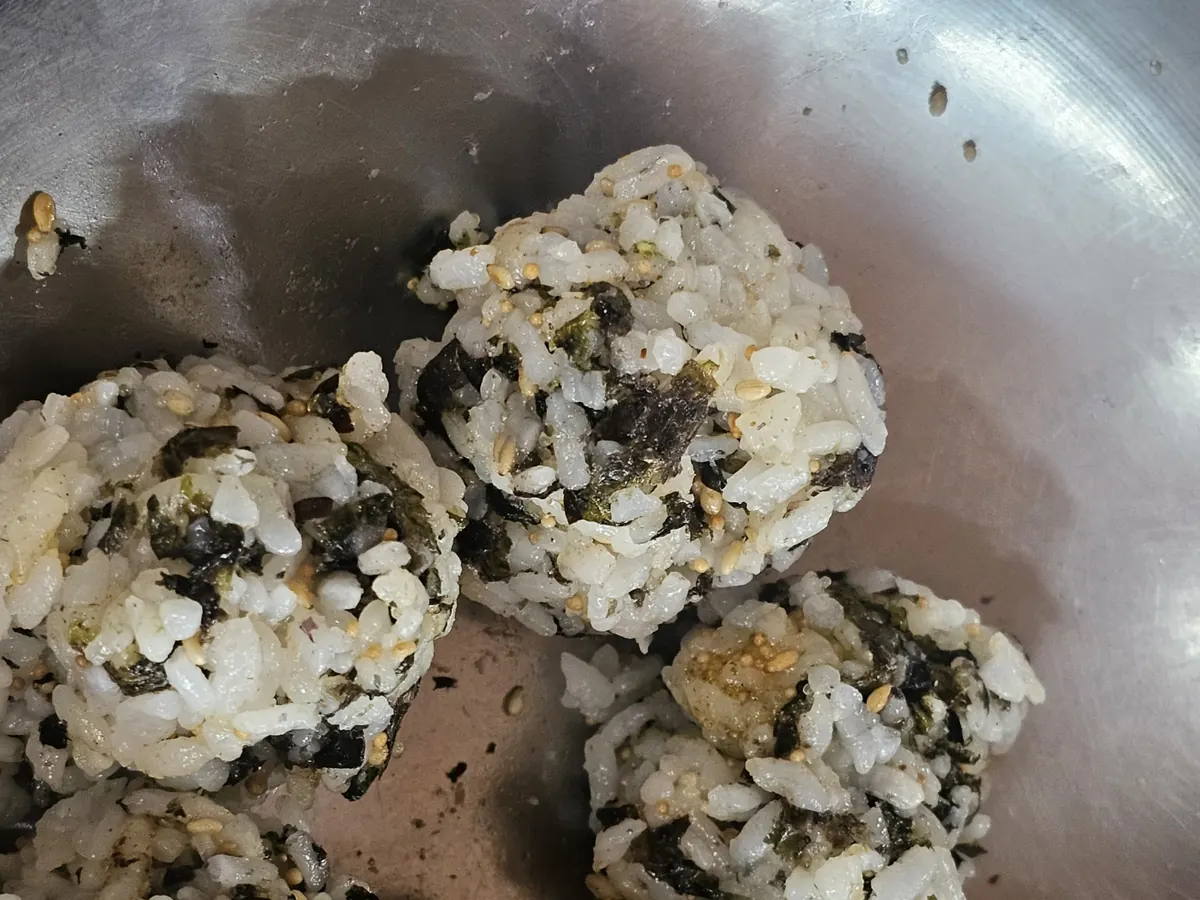
It's simple, but it can be a fun experience if you're trying it for the first time.
One warning: The rice can be very hot!
Be careful when mixing and shaping it, even if you're wearing the gloves.
Toetmaru: Famous black sesame coffee, with another long wait
Next was Toetmaru (툇마루), a café famous for its black sesame coffee.
Black sesame has a rich, nutty flavor, and it's used in various Korean foods and desserts.
I'd heard a lot about this coffee, so I wanted to try it myself.
But the waiting started before I even placed my order.
At the time of my visit, I couldn't use remote mobile waiting, so I had to stand in line.
After ordering, it took roughly another 30 minutes to receive my coffee.
Altogether, I remember waiting about an hour.
The café was packed, and there were no available seats, so I got my drink to go.
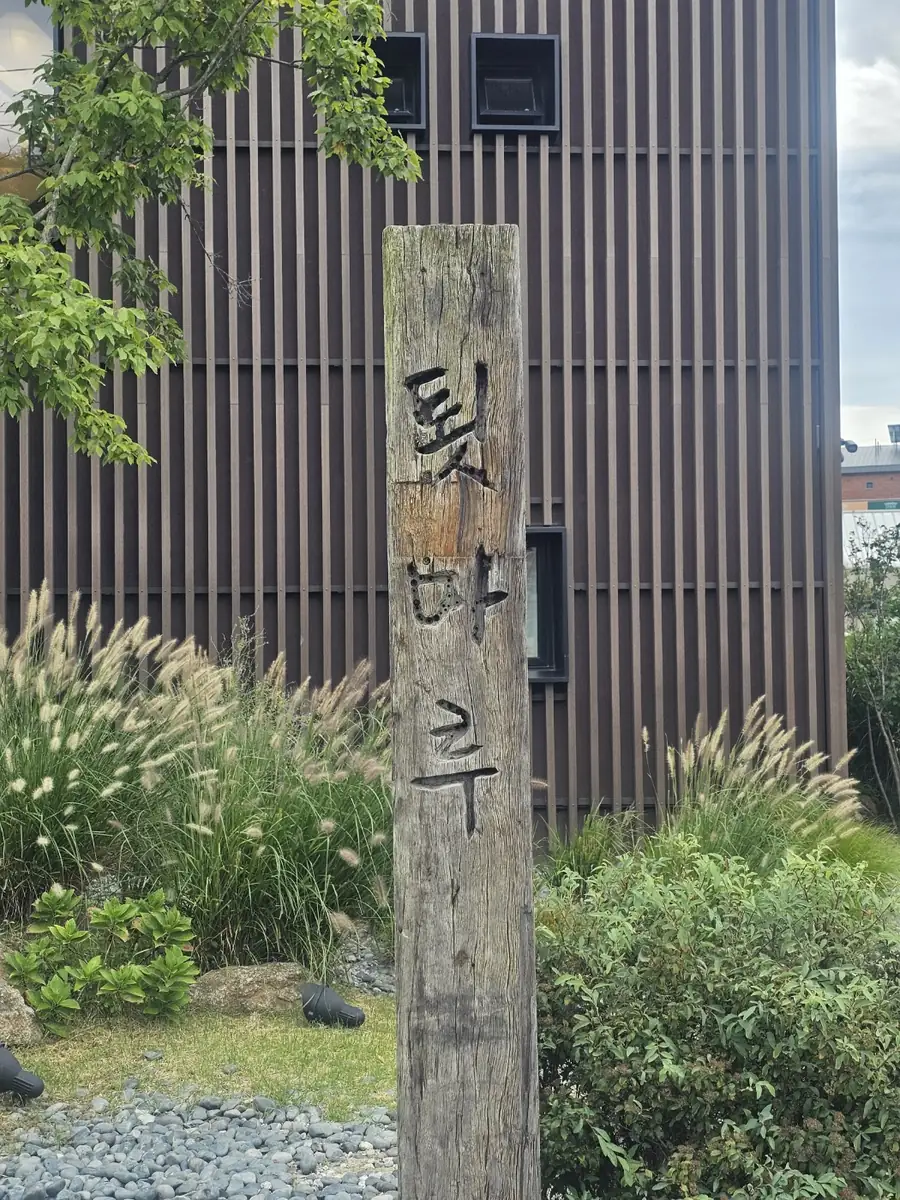
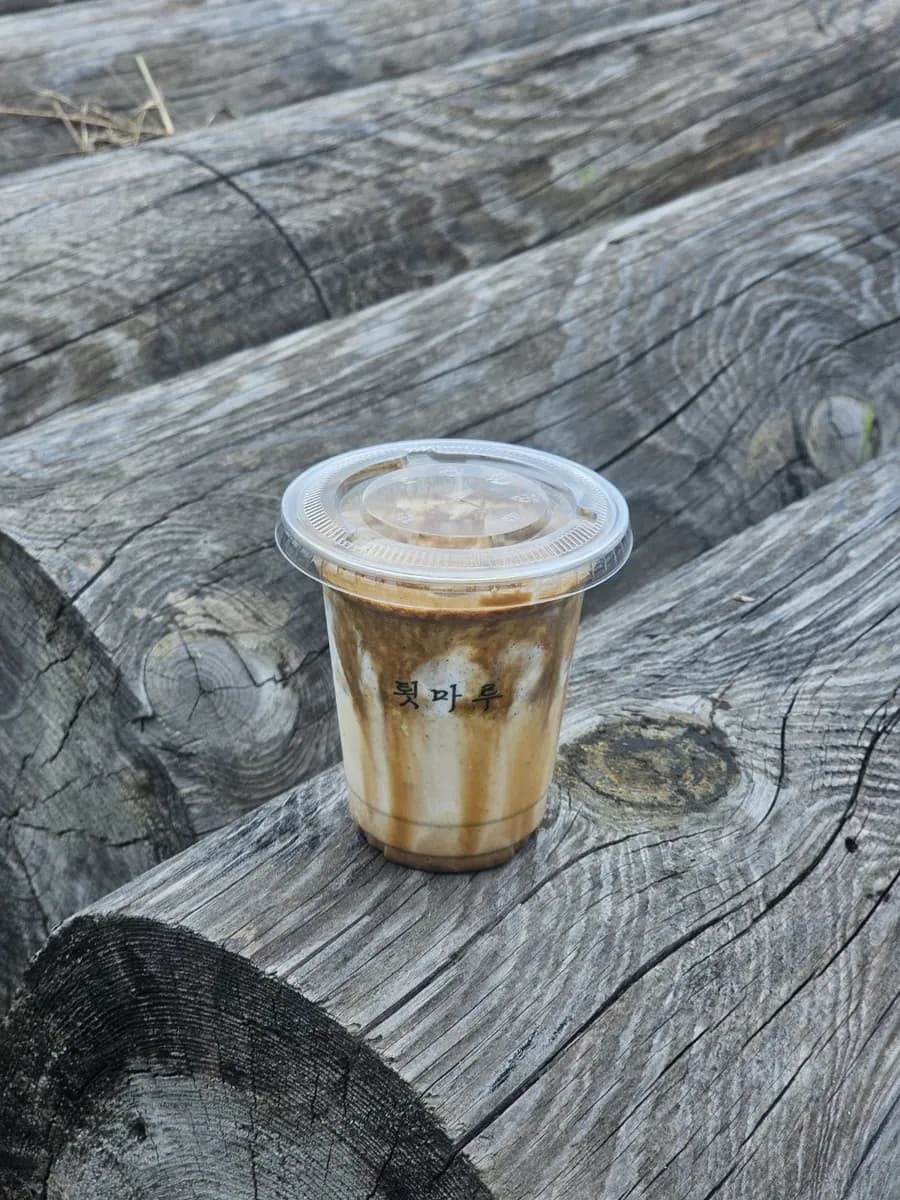
The coffee itself was smooth and delicious, with a deep, nutty black sesame flavor.
My only small disappointment was the portion size. I wished there had been a little more!
If you'd like to sit inside, check the seating situation and the café's rules before ordering. Don't assume a table will be available just because you've waited for your drink.
One last walk at Gangmun Beach
Before heading home, I returned to Gangmun Beach.
I liked being able to visit the same beach more than once without feeling that I had to do something different each time.
After several busy food stops, it was nice to spend a little more time by the water.
Then I made my way back to Gangneung Station for the KTX journey to Seoul.
Things I'd Tell a Friend Before Visiting Gangneung
Book your weekend KTX tickets early. Popular departures can sell out, and standing tickets aren't guaranteed.
Expect queues at famous restaurants and cafés. I waited about two hours at Donghwa Garden and roughly one hour at Toetmaru. Your experience may be different.
Check waiting-list apps before visiting. Some places offer remote registration, while others require you to queue in person.
Don't underestimate Korean spicy food. My jang kalguksu felt roughly as spicy as Shin Ramyun, but spice tolerance varies.
Try takeaway food from the local market. Buying several small dishes and taking them back to your accommodation can be a relaxing way to spend an evening.
Leave time to simply walk. Gangneung isn't only about famous restaurants. The sea, pine trees, and little details along the way were part of what made the trip memorable.
Would I Visit Gangneung Again?
Yes.
There were long waits, a few foods I couldn't try, and some small things I would plan differently next time.
But I enjoyed the contrast between busy food spots and quiet moments by the water.
I'd return for the tangsuyuk, I'd happily have another black sesame coffee, and I'd leave myself more time to walk around Gangmun Beach.
If you're planning your first trip to Gangneung, my advice is simple: choose a few places you really want to visit, book your train early, and don't fill every hour of your schedule.
Sometimes the best part of a weekend trip is having enough time to enjoy where you are.
Visited September 11–13, 2026. Waiting times, prices, menus, and reservation systems reflect my experience or recollection and may change.