



What to Eat in Busan: Dwaeji Gukbap, Milmyeon, Seafood, and Market Snacks
A simple Busan food guide for first-time visitors, covering pork rice soup, cold wheat noodles, seafood, fish cake, market food, and where to eat by area.
Quick guide
Quick Busan food guide
Start with these foods
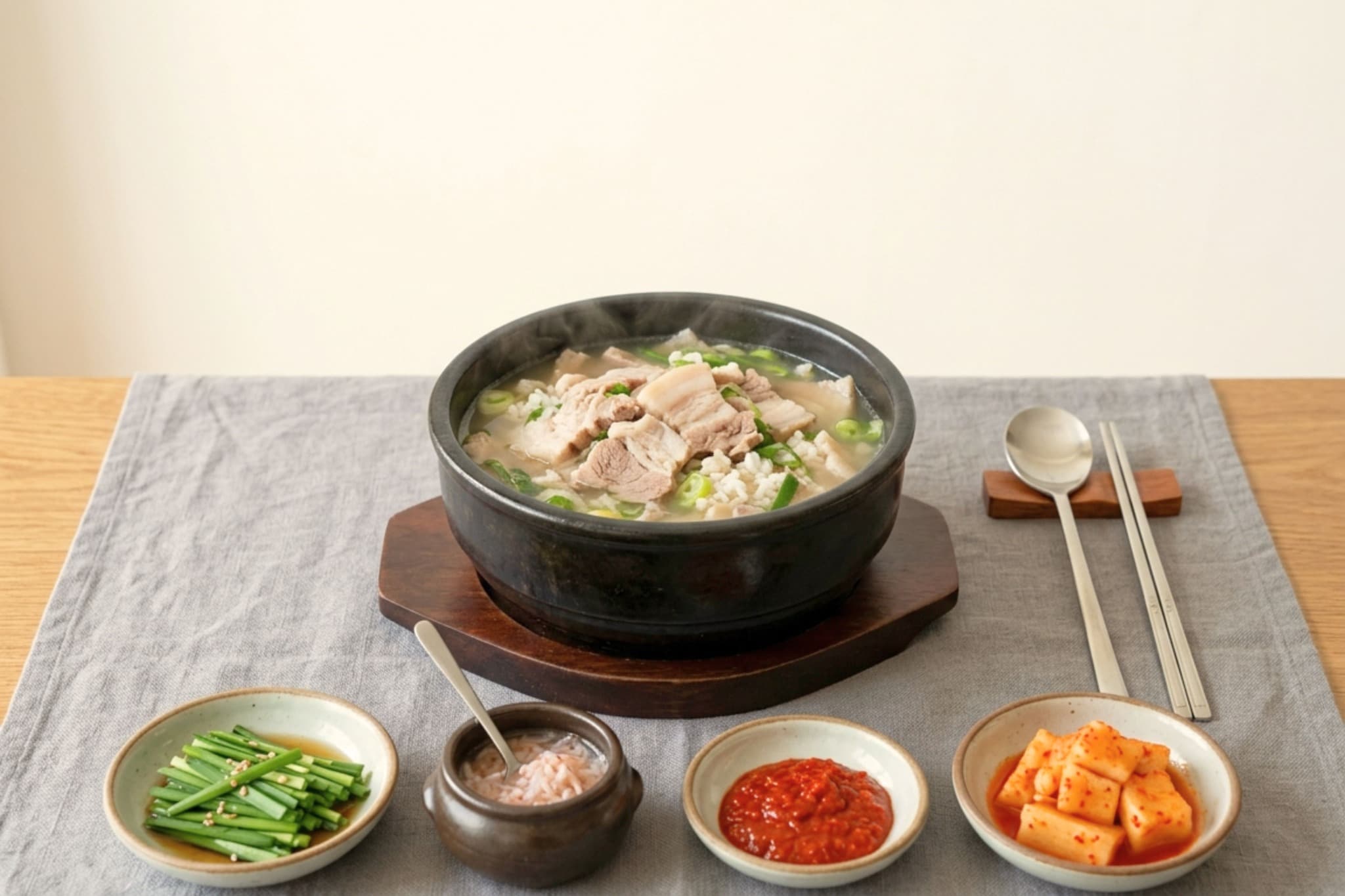
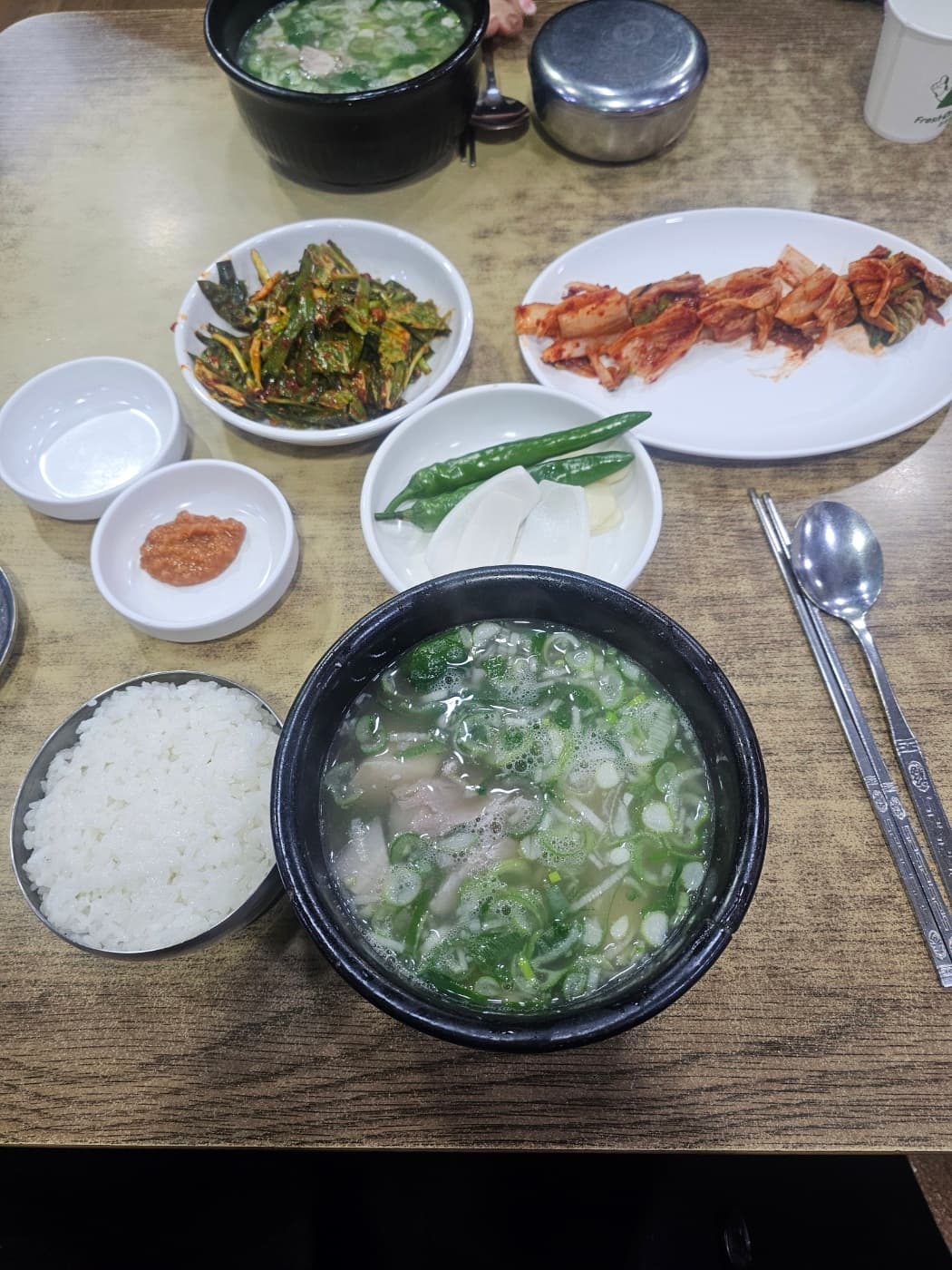
- Dwaeji gukbap: Pork and rice soup that many Koreans connect with Busan.
- Milmyeon: Cold wheat noodles, especially good in warm weather.
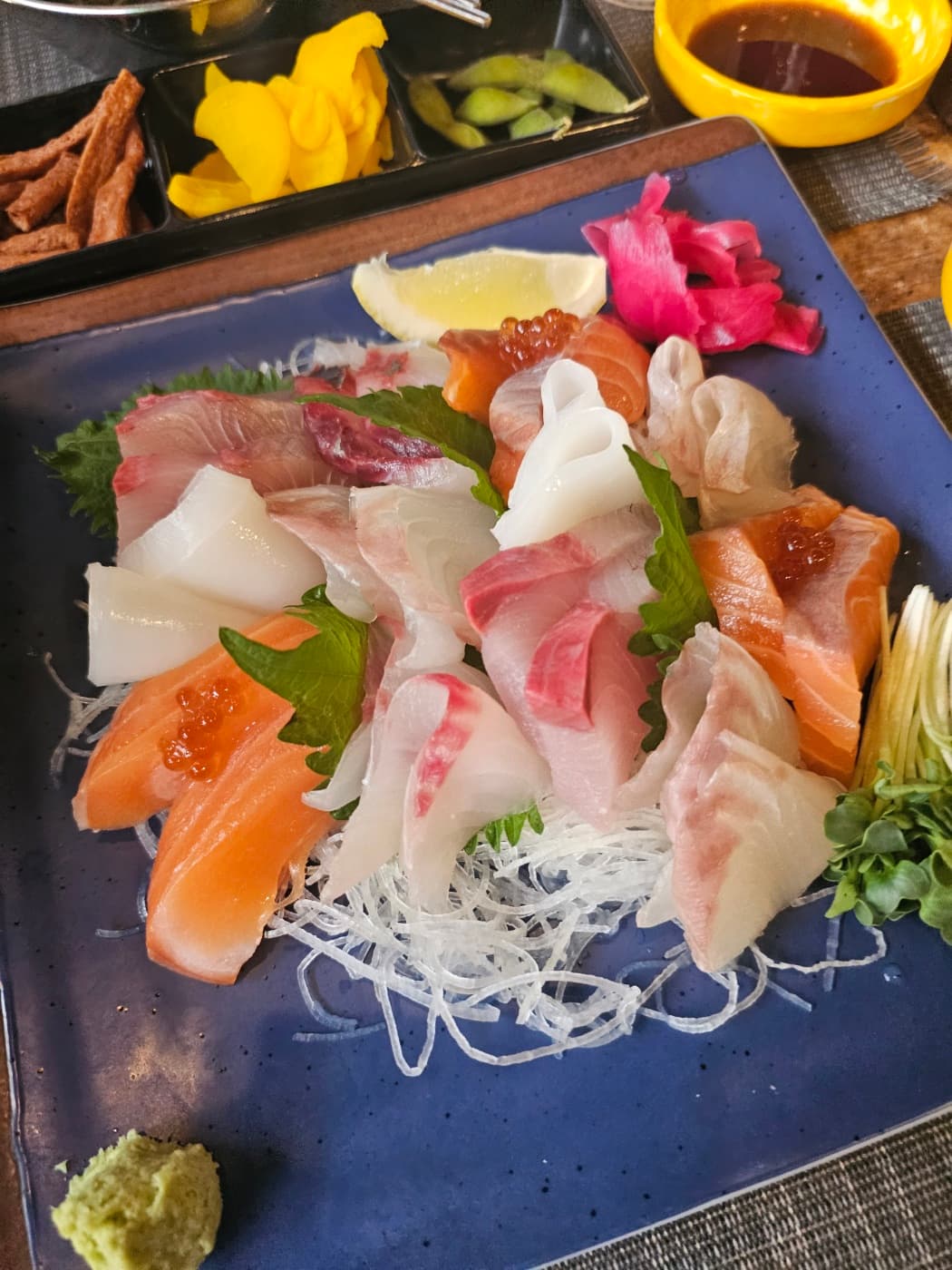
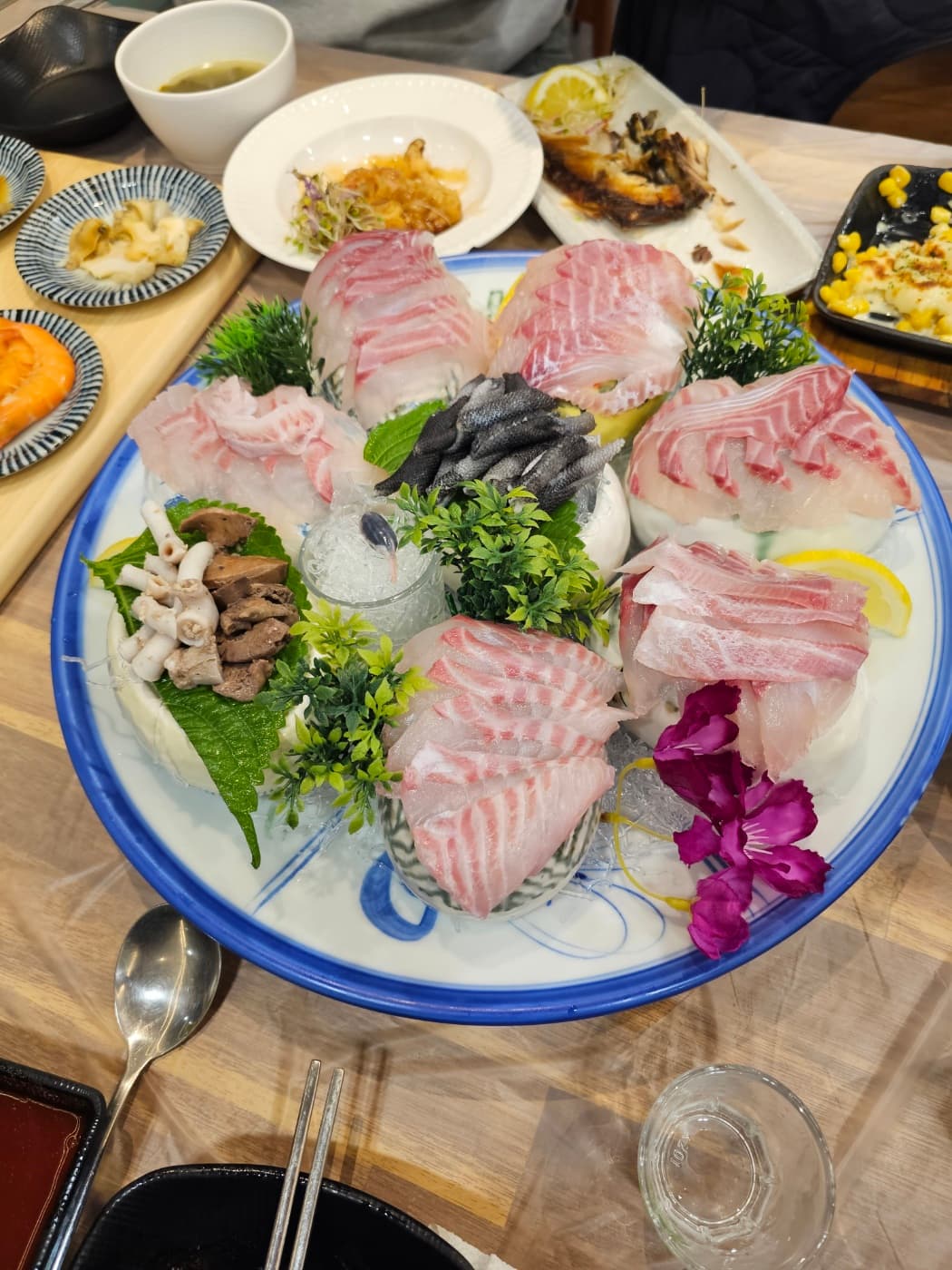
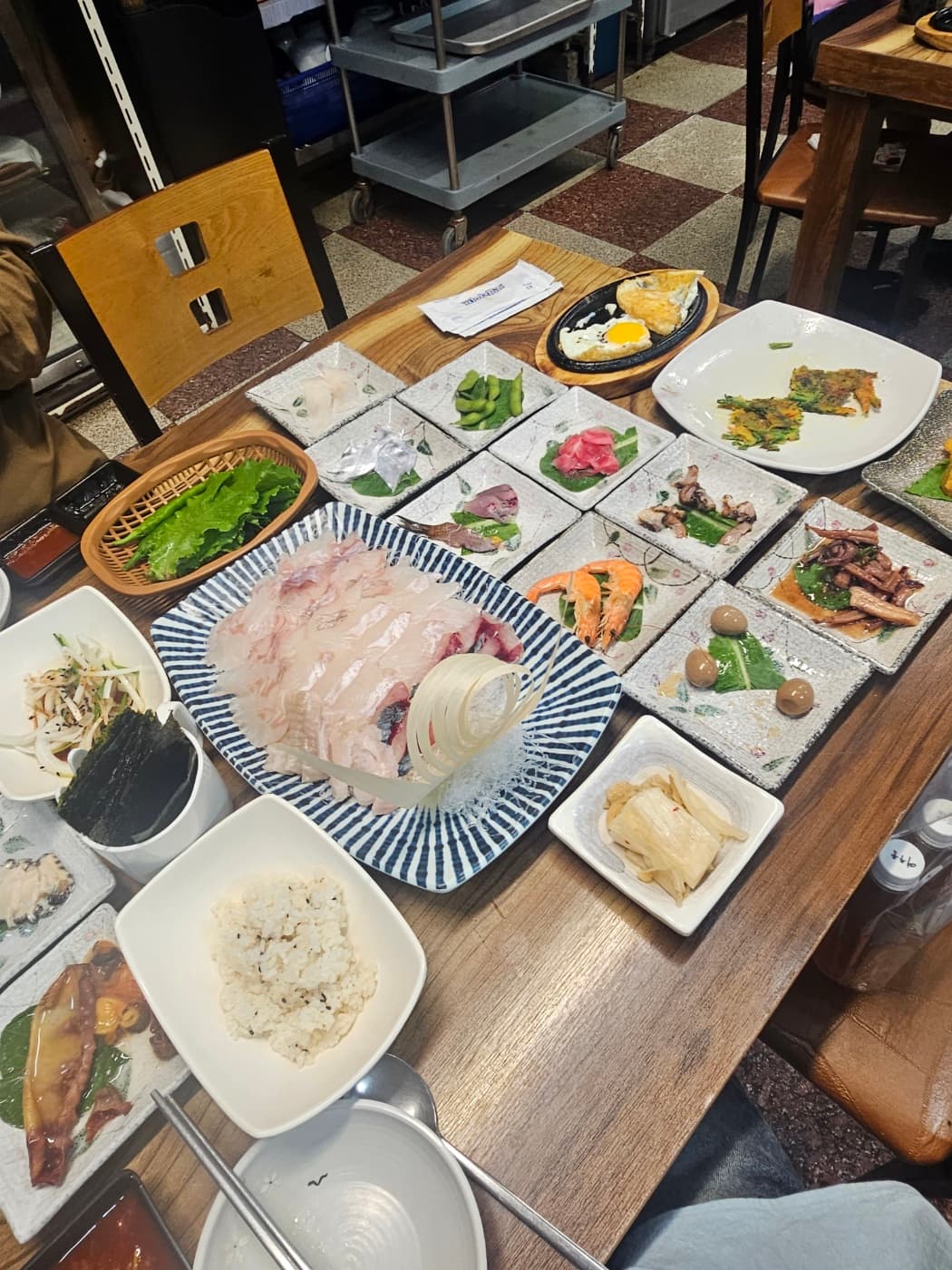
- Seafood: Raw fish, grilled seafood, shellfish, and simple coastal meals.
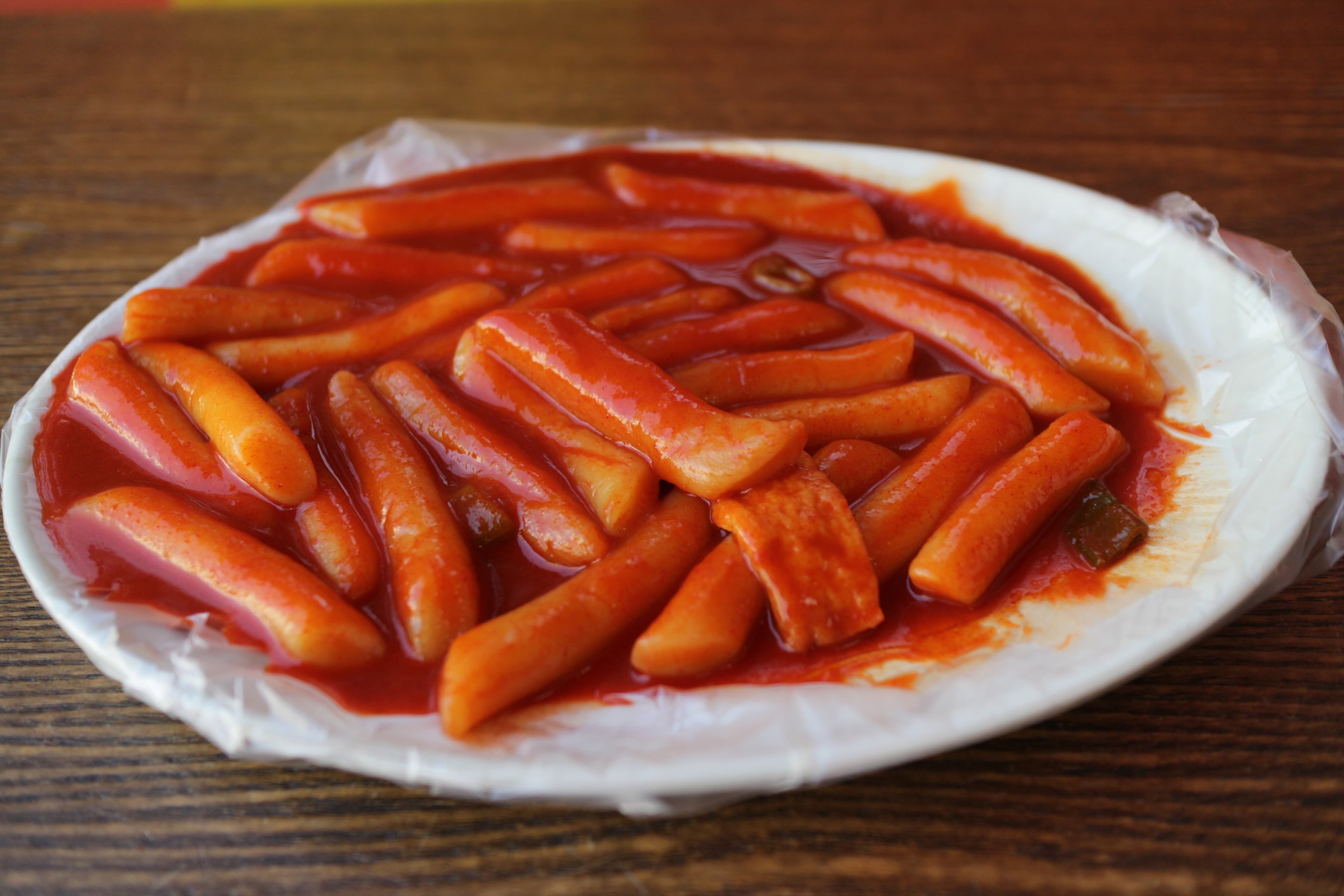
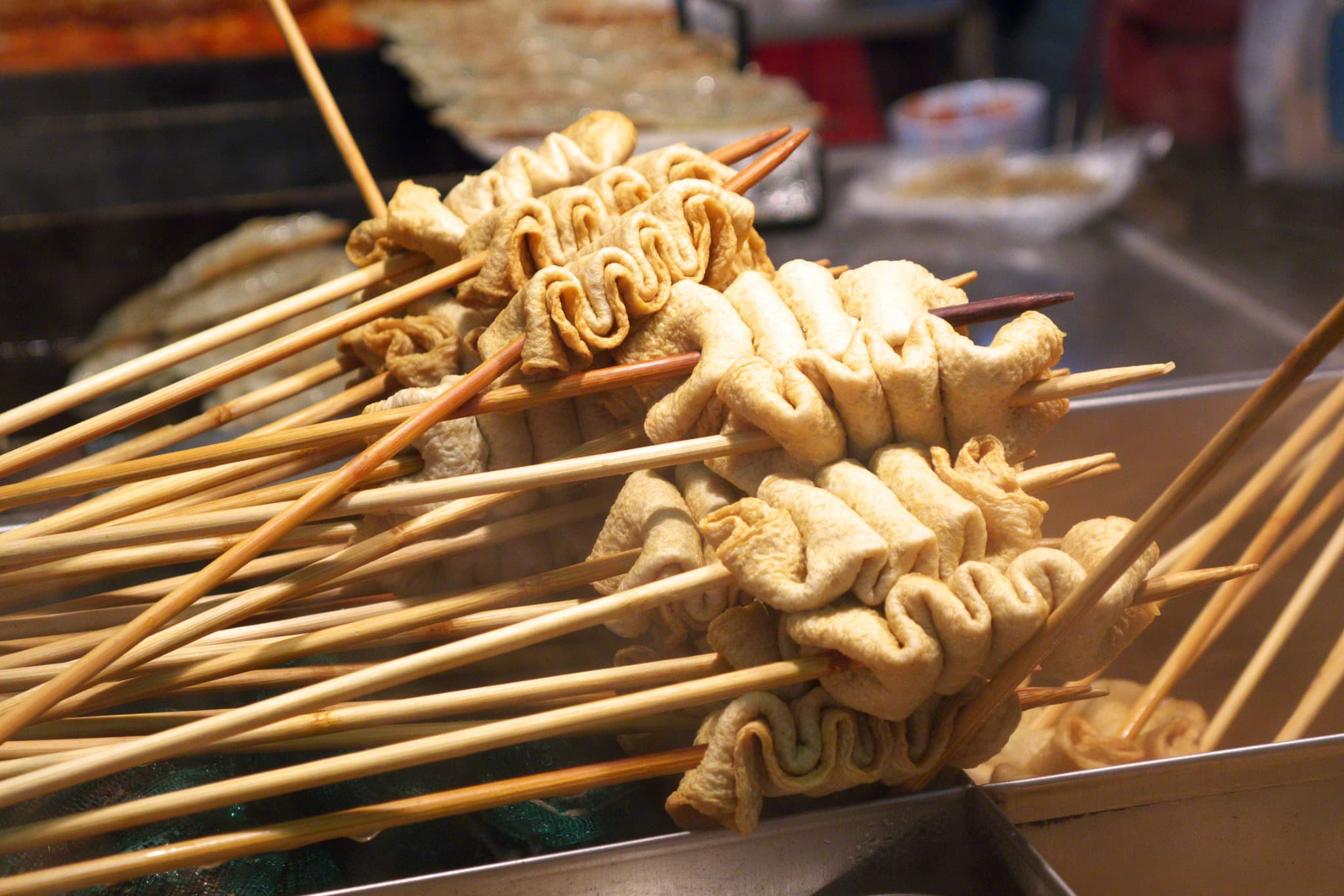
- Eomuk: Korean fish cake, easy to find around markets and street-food areas.
- Market snacks: Good when you want to taste small things instead of planning a full meal.
If it is your first Busan meal
- Choose dwaeji gukbap if you want something warm, filling, and local.
- Choose milmyeon if the weather is hot or you want something lighter.
- Choose seafood if you are staying near the coast or visiting a market.
- Choose market food if you want a casual stop while walking around Nampo or Bupyeong.
Where to eat by area
- Seomyeon: Convenient for restaurants, casual meals, and moving around the city.
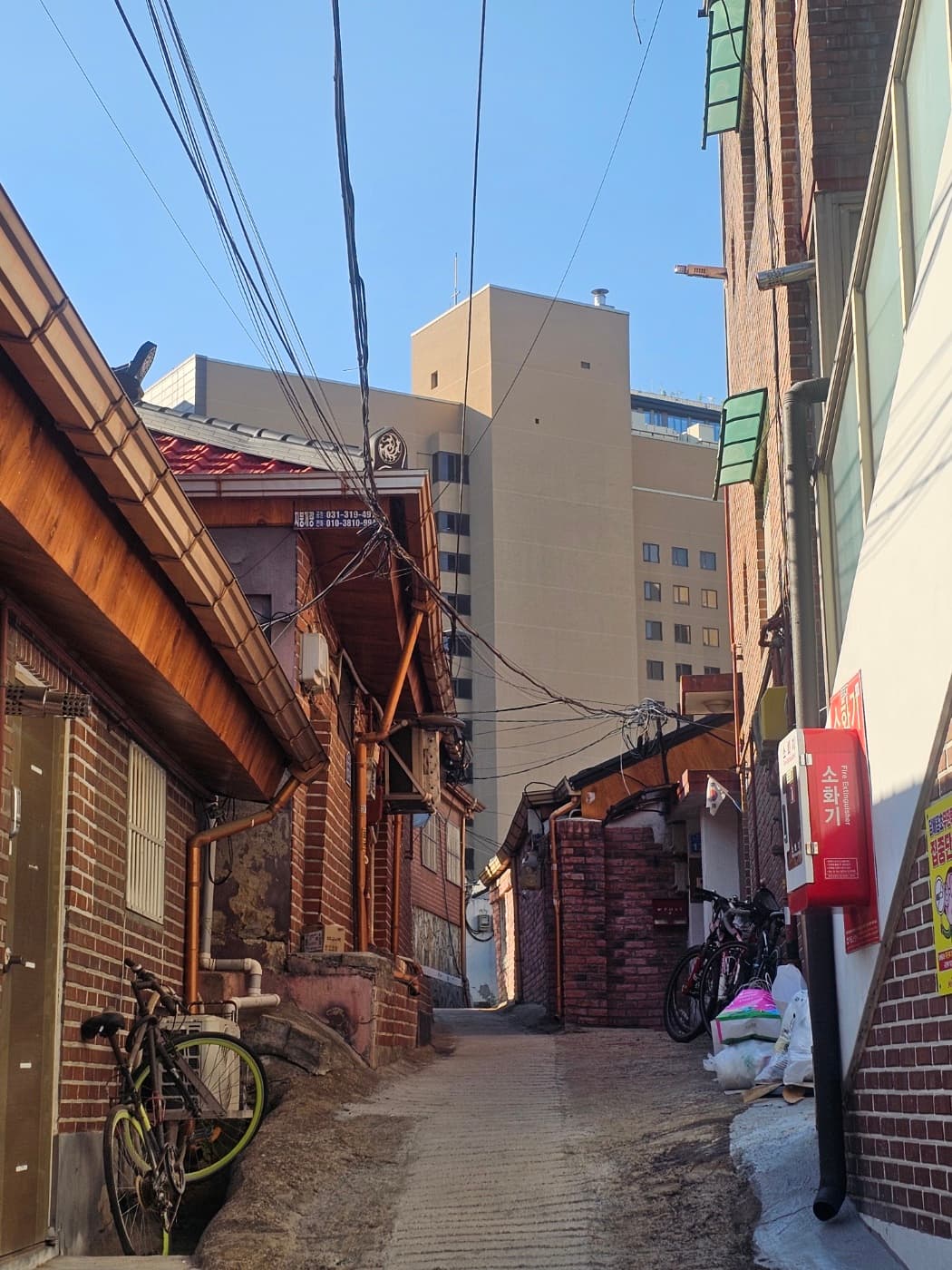
- Nampo / Bupyeong: Good for markets, snacks, fish cake, and older Busan food mood.
- Gwangalli: Good for seafood, evening meals, and beach atmosphere.
- Haeundae: Good if you are staying near the beach or exploring east Busan.
Easy ordering note
- Many Busan foods are simple and direct. You do not need to find the most famous restaurant for every meal.
- If a place is busy with locals, has a short menu, and specializes in one dish, that is often enough.
- For soups and noodles, look at what people nearby are eating before deciding.
Pair with a route
- If you are planning where to go in Busan, read the Busan travel guide too.
- Food is easier when it follows your route: markets on the west side, cafes around Jeonpo, night meals near Gwangalli, and coastal stops near Haeundae.
Related guide
Food photos
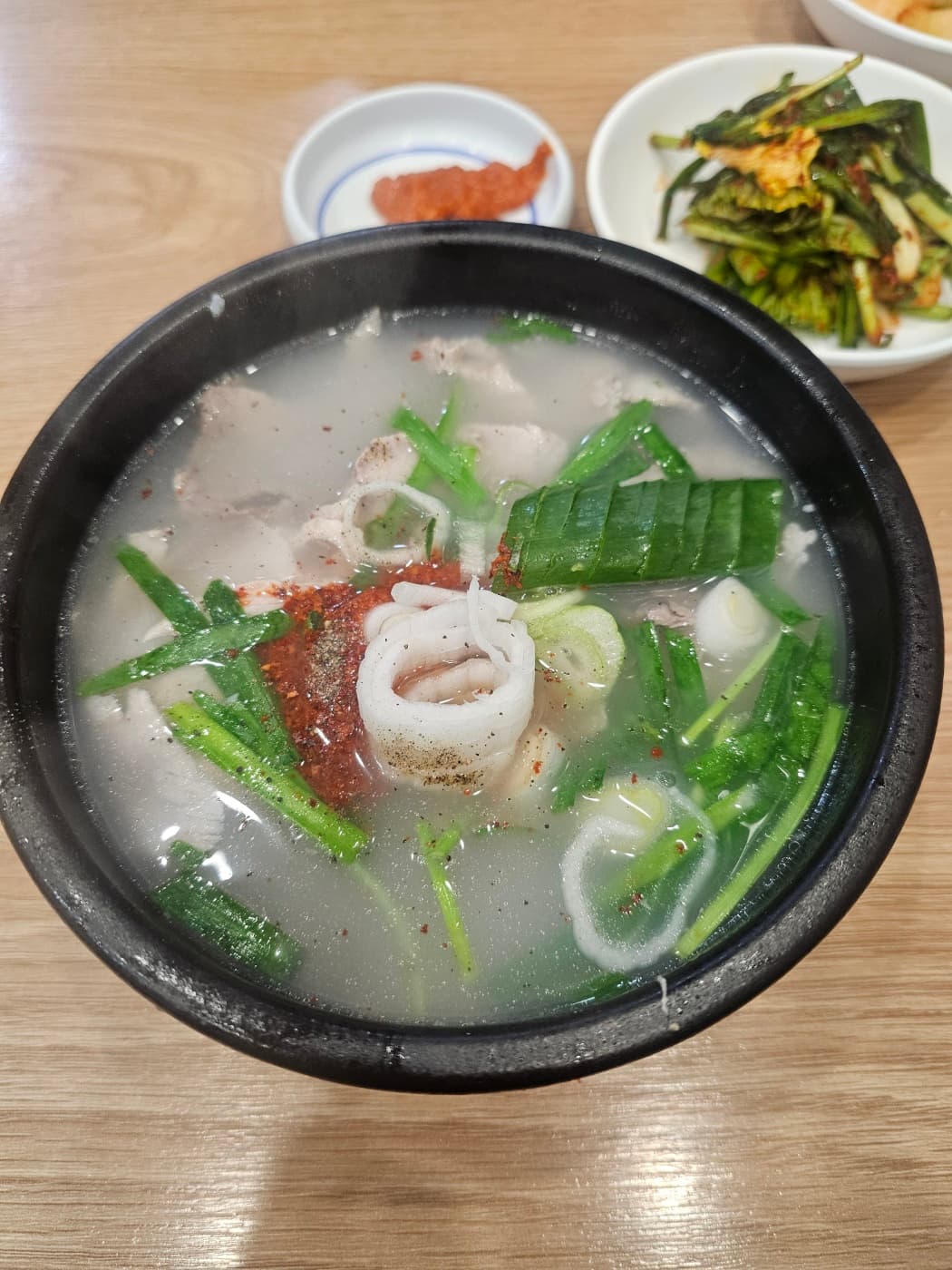
Dwaeji gukbap
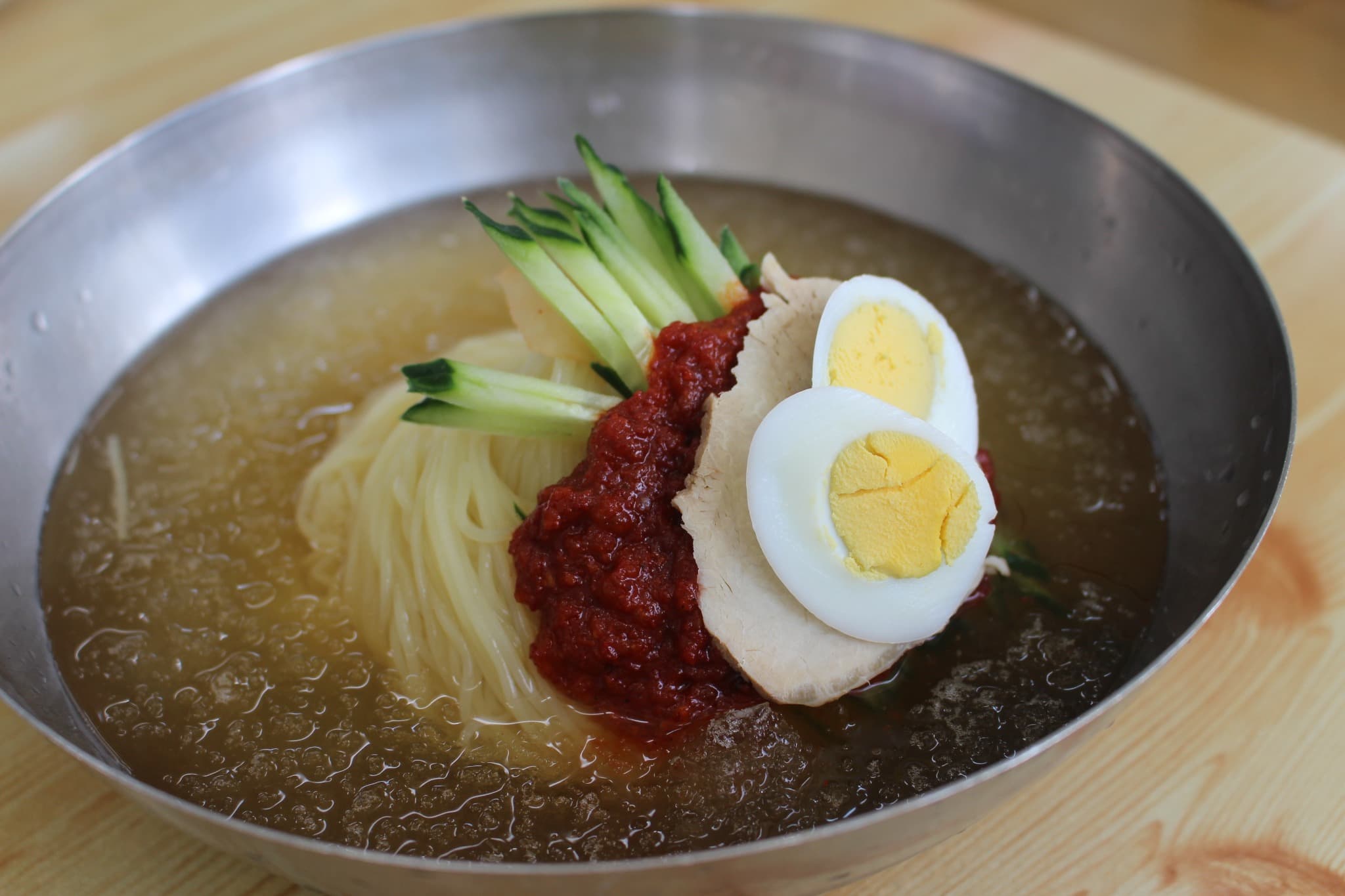
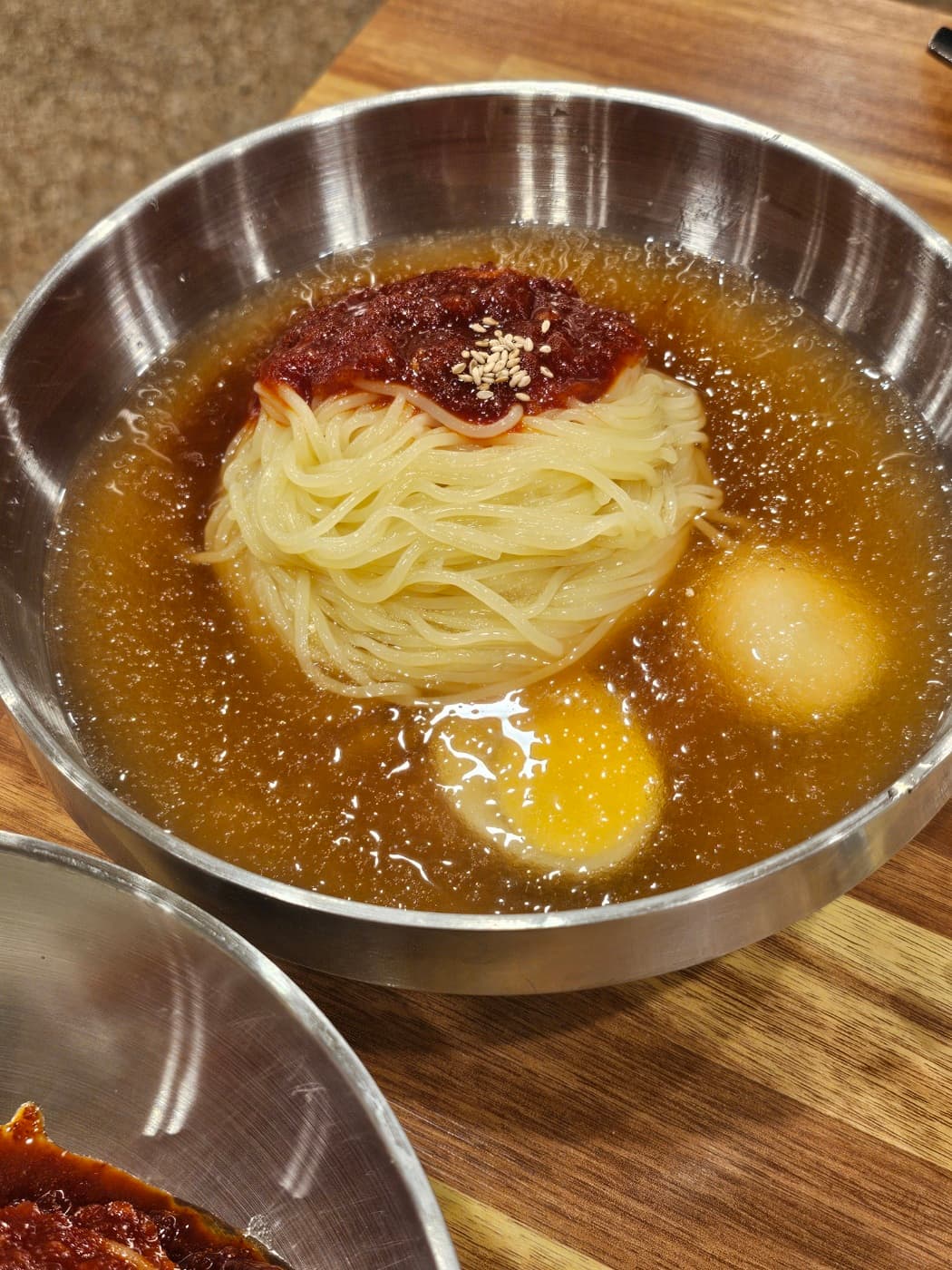
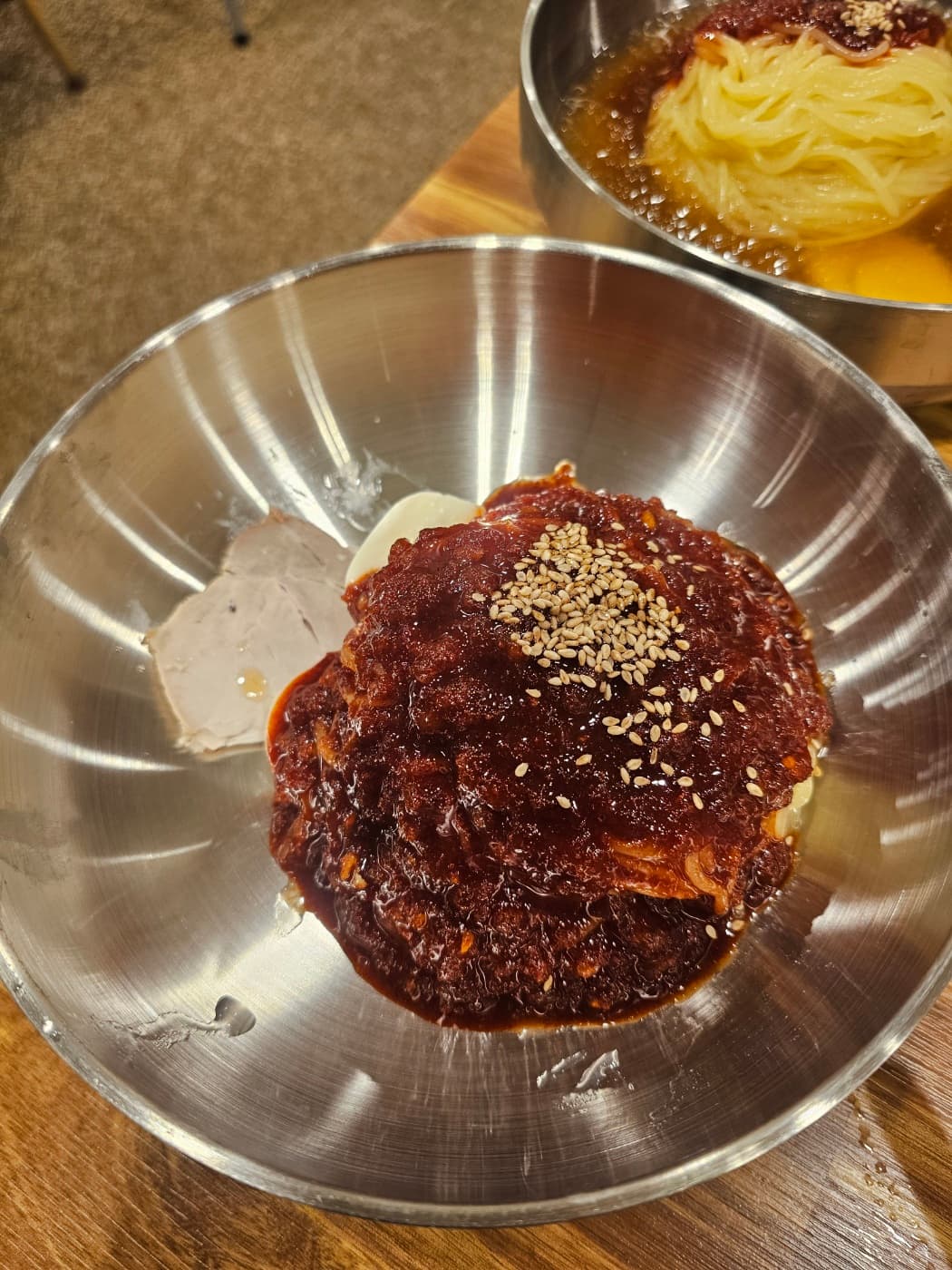
Milmyeon
Eomuk / fish cake
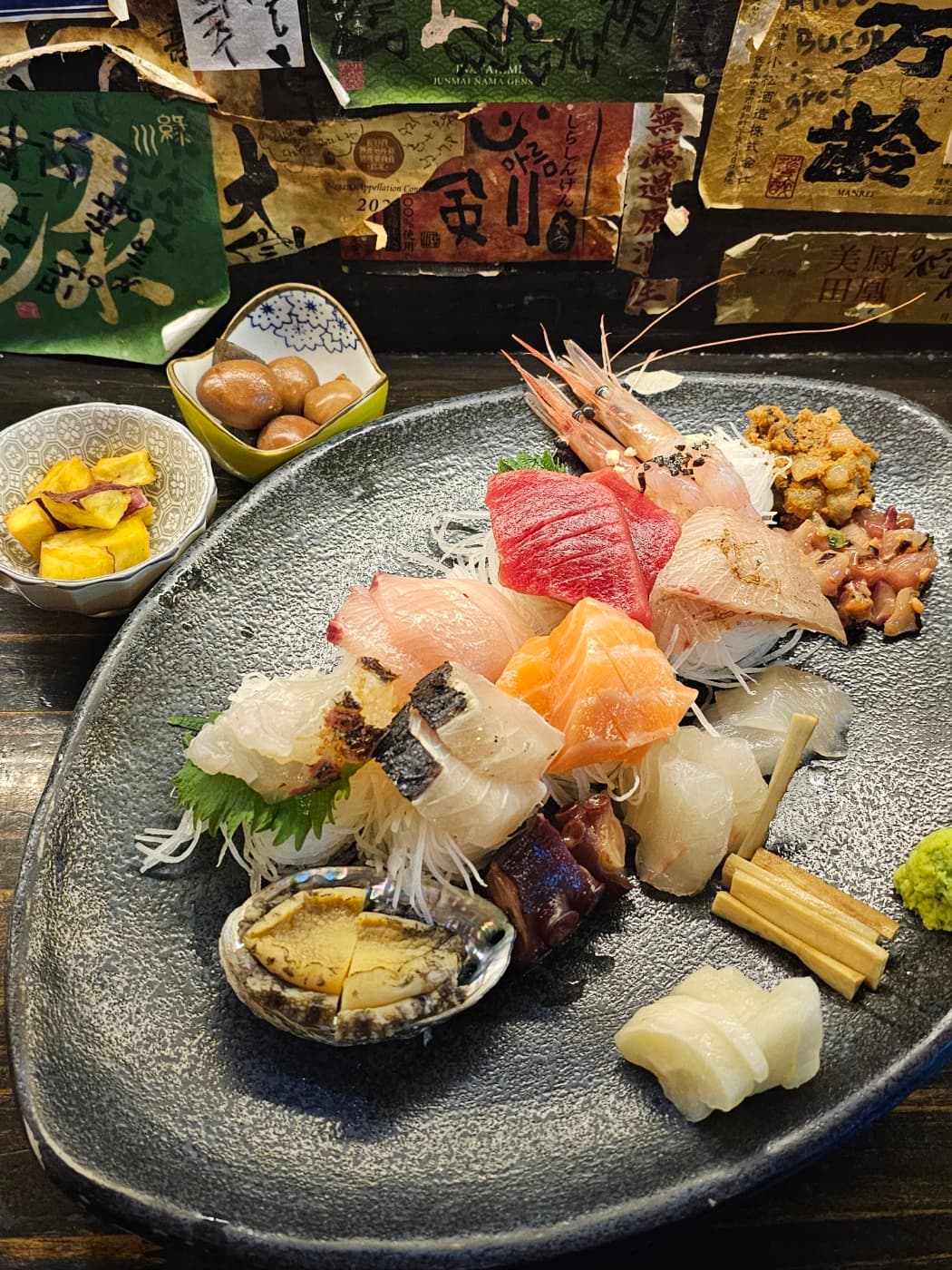
Seafood
Full guide
Busan food is not about making every meal complicated. For many Korean travelers, the best Busan meals are simple: a hot bowl of soup, cold noodles after walking, seafood near the coast, or market snacks while moving through an older part of the city.
If this is your first time in Busan, start with a few foods that appear again and again in local travel conversations: dwaeji gukbap, milmyeon, seafood, eomuk, and market food. You do not need to eat everything in one trip. Pick the food that fits the area you are already visiting.
Dwaeji gukbap is one of the easiest Busan foods to understand. It is a pork and rice soup, usually warm, filling, and straightforward. For many Koreans, it feels like a practical Busan meal rather than a special occasion food.
The good thing about dwaeji gukbap is that it works almost any time. It can be lunch after arriving at Busan Station, dinner after walking around the city, or a simple meal when you do not want to think too much. If you want your first Busan food to feel local and comforting, this is a strong place to start.
Milmyeon is a cold wheat noodle dish often connected with Busan. It is lighter than soup and especially good when the weather is warm. The taste can feel refreshing, slightly sweet, tangy, and cold in a way that makes sense after walking around beaches, markets, or cafe streets.
If dwaeji gukbap feels like the warm side of Busan, milmyeon feels like the cool side. It is a good choice when you want something quick, casual, and not too heavy.
Seafood is another natural part of Busan. You do not have to plan a luxury seafood meal to enjoy it. Depending on your route, seafood can mean raw fish, grilled shellfish, fish cake, or a simple meal near a market or beach area.
Gwangalli and Haeundae are easy areas to connect with seafood because they already have a beach mood. Nampo and nearby market areas can feel more casual and older. The best choice depends less on one famous restaurant and more on where you are already spending the day.
Eomuk, or Korean fish cake, is one of the easiest foods to try while walking. Busan is strongly associated with fish cake, and it works well as a snack rather than a full meal. It is useful when you are near markets, stations, or older shopping streets.
Market food is good when you do not want a formal restaurant. Around places like Bupyeong Kkangtong Market or Nampo, you can try smaller foods, snacks, and simple dishes while walking. This kind of meal can feel less planned, but sometimes that is what makes it memorable.
Where you stay can also shape what you eat. Seomyeon is convenient if you want many restaurant choices and easy movement around the city. Nampo and Bupyeong are better for market food and older Busan atmosphere. Gwangalli works well for evening meals, seafood, and beach mood. Haeundae is useful if your route is focused on the classic beach, Blue Line Park, Cheongsapo, or east Busan.
The easiest way to eat well in Busan is to match the food to the area. If you are near old Busan, try market food or fish cake. If you are near the coast, think about seafood. If you want something warm and local, choose dwaeji gukbap. If the day is hot, milmyeon makes sense.
A good Busan food trip does not need to become a checklist. Eat one thing well, leave room for the next area, and let the city’s food feel connected to the route you are already walking.
Cultural Context
The feeling behind the scene
For Koreans, Busan food often feels practical, local, and tied to movement through the city. A bowl of dwaeji gukbap, a plate of milmyeon, seafood near the coast, or snacks in a market are not only foods to try. They are part of how people remember a short Busan trip: where they walked, where they rested, and what kind of mood the city had that day.
More notes
Keep exploring Korea
Korean Lifestyle
Korean Convenience Stores Are 24-Hour Mini Life Stations
A place where you can cook ramen, heat a lunch box, grab coffee, and sit down even after midnight.
Read note →
Travel
Where Koreans Actually Go in Busan: A Map-Friendly Guide for First-Time Visitors
Busan is not only Haeundae. This guide collects the places many Korean travelers actually visit: sea-view villages, markets, cafe streets, night beaches, coastal trains, food stops, and easy areas to stay.
Read note →
Food
What to Eat in Seoul for First-Time Visitors: Markets, Street Food, Cafes, and Late-Night Meals
Seoul food is not only one dish or one famous restaurant. This guide explains what to eat by mood and area, from Gwangjang Market and Myeongdong street food to Mangwon Market, Han River ramyeon, cafes, barbecue, and late-night meals.
Read note →