Myeongdong
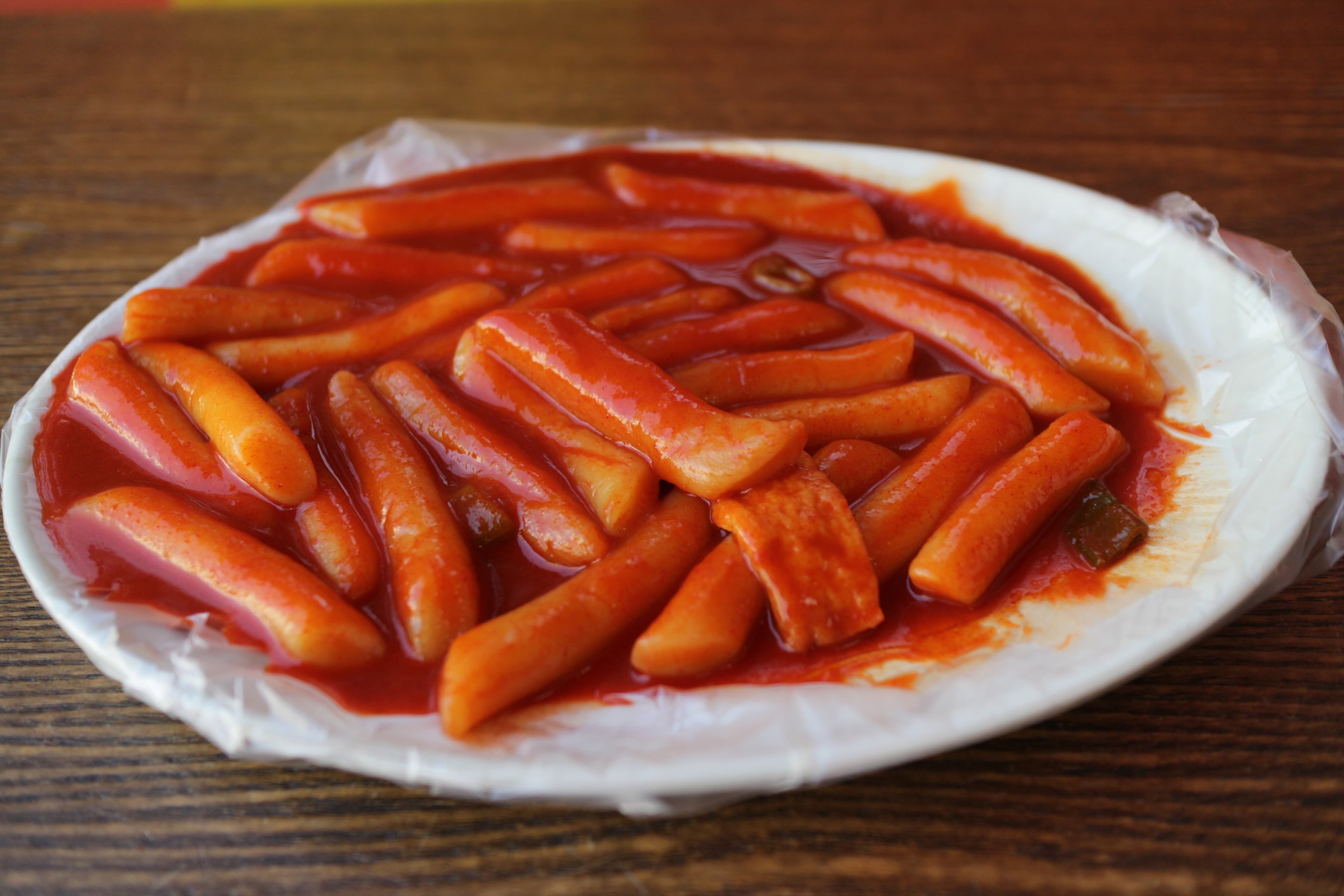
Myeongdong is the easiest first stop — central, busy, tourist-friendly, with shopping, street snacks, Namsan, and easy links to Euljiro, City Hall, and Jongno. The trade-off is tourist-area pricing on the busiest streets.
Hongdae
Hongdae is young Seoul — cafes, casual shopping, music, late-night food, clubs, and a playful street mood. Good if you like walking without a strict plan. Weekend evenings get loud and crowded, and the most central streets are not always the best value.
Gangnam
Gangnam is modern and commercial — polished, wide, busy, good for shopping, restaurants, COEX, Sinsa, and Apgujeong. If your main plans are palaces, Bukchon, and Insadong, Gangnam adds more subway time than expected and can feel expensive as a major business district.
Insadong and Jongno
Insadong and Jongno are older Seoul — palaces, tea houses, galleries, hanok alleys, Ikseon-dong, and slower walks. Good if you want culture over shopping-district energy. Some streets quiet down at night, and souvenir shops or hanok cafes can cost more because the atmosphere is part of the draw.
Euljiro
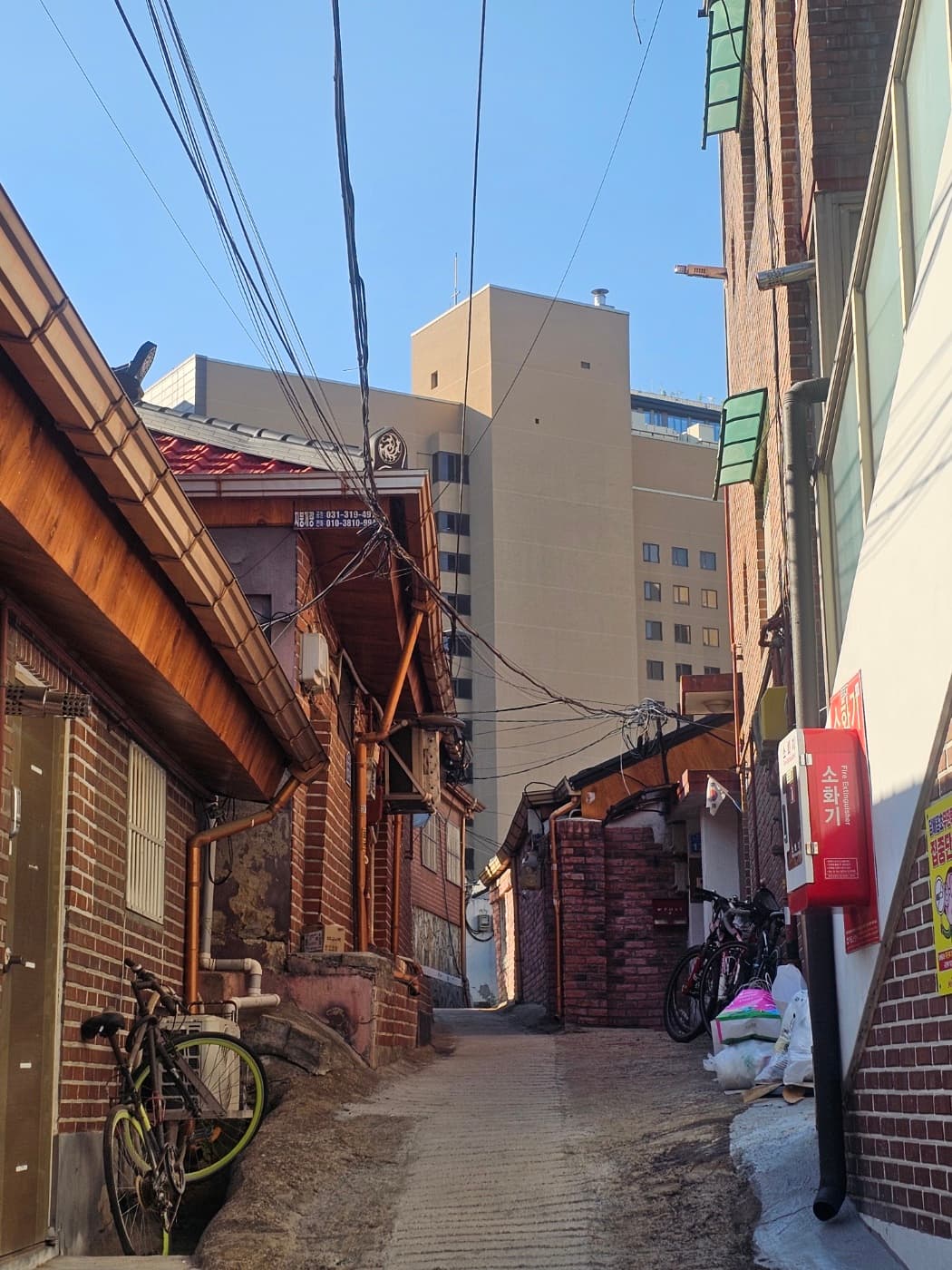
Euljiro feels more local and less polished — close to Myeongdong but with older alleys, small restaurants, bars, print-shop streets, and a rougher local-cool mood. Harder to read on a first visit; some streets look plain by day and come alive at night. Naver Map or KakaoMap helps here.
Seongsu
Seongsu is trendy and cafe-heavy — design shops, pop-up spaces, converted industrial buildings, and a newer Seoul mood. Trendy does not always mean cheap; popular weekends can feel crowded, and some spots are more about atmosphere than value.
Jamsil
Jamsil suits family and southeast Seoul plans — Lotte World, Lotte World Tower, malls, and lake walks in a clean, organized area. If your trip is mostly Myeongdong, Hongdae, and palaces, Jamsil can feel far.
Itaewon
Itaewon feels international — global food, bars, cafes, and a mixed cultural mood. Better as a focused visit than a default base for every first-time itinerary, depending on your plans.
Yeonnam and Mangwon
Yeonnam and Mangwon are softer alternatives near Hongdae — more relaxed, cafe-friendly, and neighborhood-like without the loudest nightlife. Walking routes and exact location matter more here than at a major station area.
Group nearby areas
The biggest neighborhood mistake is squeezing too many areas into one day — Seoul is connected but still big. Group nearby spots: Myeongdong, Namsan, Euljiro, Jongno, and Insadong; Hongdae, Yeonnam, and Mangwon; Gangnam, Sinsa, COEX, and Jamsil depending on your route. That saves energy, subway time, and money.
Subway access and taxis
Subway access matters more than neighborhood fame — a famous name is not useful if your hotel is far from the station or up a long hill. A less famous area on a good line can feel much better in real life. Taxis are not always faster either; during rush hour or rain they can stall while the subway stays more predictable.
You do not have to visit every neighborhood on this list — pick the moods that match your trip. Myeongdong for ease, Hongdae for young energy, Gangnam for modern south Seoul, Insadong and Jongno for older streets, Euljiro for local-cool near the center, Seongsu for cafes and design, Jamsil for family plans, Itaewon for international food, Yeonnam and Mangwon for a softer Hongdae-adjacent feel. Group nearby areas and Seoul gets easier to enjoy.