← Back to Travel

Travel guide

Korea Arrival Day Checklist for First-Time Visitors: Airport, Internet, Transport, and First Meal

Your first day in Korea does not need to be packed. In fact, it should not be. Arrival day is when small things take more energy than expected — internet, luggage, check-in, your first meal, and a new subway system all at once. The best plan is simple: get connected, get to your stay, eat something easy, learn your neighborhood, and sleep well.

Quick answer

  • Keep arrival day light: get connected, get to your stay, eat something easy, learn your neighborhood
  • Internet first: confirm eSIM, SIM, roaming, or pocket Wi-Fi before leaving the airport area
  • Maps: open Naver Map or KakaoMap and check your route and station exit before moving
  • Transport: choose based on energy and luggage, not price alone
  • Check-in: do not overplan sightseeing before you can drop luggage
  • Neighborhood: find the nearest subway station, convenience store, and simple meal spot
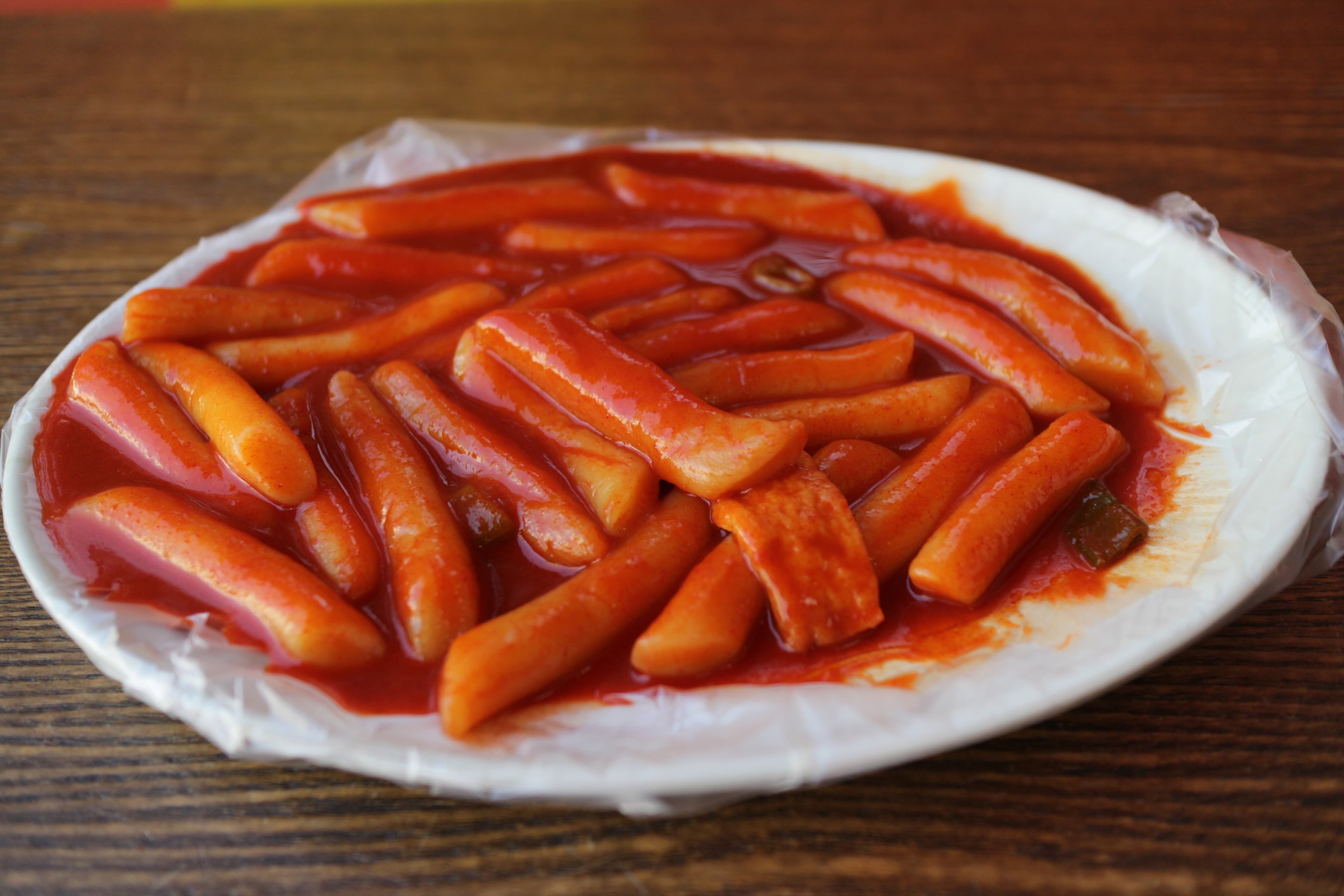
  • First meal: keep it easy — gimbap, noodles, soup, convenience store food, or food court
  • Tonight: charge your phone, save your hotel address, and check the weather for tomorrow

Simple arrival-day plan

Get connected.

Get to your stay.

Eat something easy.

Learn your neighborhood.

Sleep well.

1. Check your internet before leaving the airport

First, check your internet before leaving the airport area.

If you are using eSIM, make sure it is working.

If you are using a SIM card, make sure your phone has data.

If you are using roaming, check that your maps and messages load.

If you are using pocket Wi-Fi, make sure it is charged and connected.

Korea has a lot of Wi-Fi, especially in hotels, cafes, malls, stations, and many indoor places. In cafes, the Wi-Fi name and password are often written on the wall, near the counter, or on the receipt.

But on arrival day, you do not want to depend only on finding free Wi-Fi.

You need data while moving.

2. Open your map app before you start moving

Second, open your map app before you start moving.

Use Naver Map or KakaoMap if you can.

Search your hotel or stay.

Check the route.

Check the subway station or airport bus stop.

Check the exit if you are using the subway.

A station exit can make a big difference in Korea.

The wrong exit can add a long walk with luggage.

3. Choose airport transport based on your energy

Third, choose airport transport based on your energy, not only price.

Airport trains can be good if your stay is near a useful station.

Airport buses can be more comfortable if the stop is close to your hotel.

Taxis can help if you have a lot of luggage, arrive late, or travel with family.

But taxis are not always fastest.

Traffic, rain, rush hour, or events can make roads slow.

Do not assume a taxi is always the easiest answer.

4. Do not overplan sightseeing before check-in

Fourth, do not overplan sightseeing before check-in.

Even if your flight arrives early, dragging luggage around the city can make the day feel heavy.

If you cannot check in yet, ask whether your stay can hold luggage.

If not, look for a simple luggage option nearby, but do not build your whole first day around complicated movement.

Arrival day is not the best day for a packed itinerary.

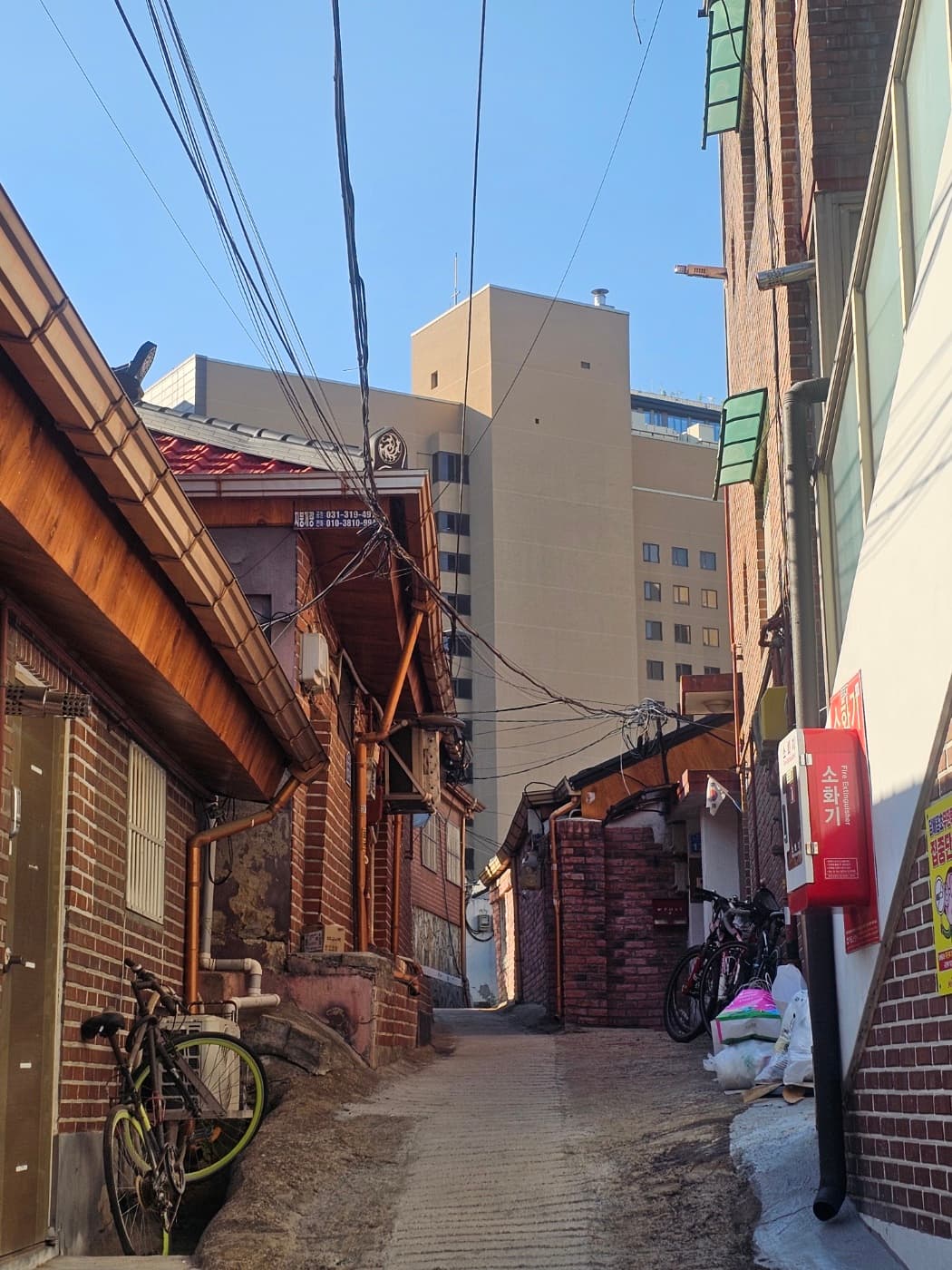
5. Learn the area around your stay

Fifth, learn the area around your stay.

Find the nearest subway station.

Find the nearest convenience store.

Find one simple restaurant or cafe.

Check where the main road is.

Check which station exit gets you home.

This sounds small, but it makes the rest of the trip easier.

A convenience store is especially useful on the first day.

You can buy water, snacks, a quick meal, tissues, a small umbrella, or basic travel items.

You can also get a first feeling of Korean daily life without needing to order a full restaurant meal.

6. Choose an easy first meal

Sixth, choose an easy first meal.

Do not make your first meal too complicated unless you already have energy.

Good first-day meals can be:

gimbap,

noodles,

soup,

fried chicken,

convenience store food,

a food court meal,

or a simple restaurant near your hotel.

Korean BBQ is fun, but it may not be the easiest first meal if you are alone, tired, or unsure how ordering works.

Save it for a day when you can enjoy it properly.

7. Avoid crossing the city on arrival day

Seventh, avoid crossing the city on arrival day.

If you are staying in Myeongdong, do not force yourself to go to Hongdae, Gangnam, and Jamsil right away.

If you are staying in Hongdae, do not rush to palaces and then Gangnam in the same evening.

Pick one nearby area.

Walk a little.

Eat.

Rest.

A good first day makes the second day better.

8. Prepare your phone for the next morning

Eighth, prepare your phone for the next morning.

Charge it.

Save your hotel address.

Save your first sightseeing route.

Save one or two food options.

Check the weather.

If you have a power bank, charge that too.

You may see power bank rental options in busy parts of Korea, but it is still easier to start the day with your own battery ready.

Final note

For HAEMIL readers, the best Korea arrival day is not impressive.

It is smooth.

You do not need to see five famous places immediately.

You need to arrive safely, understand your area, eat something, and feel ready for tomorrow.

Korea becomes much easier after the first night.

So keep arrival day light.

Your real trip starts better when you are not already exhausted.

Keep exploring

Related travel guides

See all Travel →

Travel guide

Korea SIM, eSIM, and Wi-Fi guide

A practical first-time Korea internet guide comparing SIM cards, eSIMs, pocket Wi-Fi, roaming, cafe Wi-Fi, public Wi-Fi, phone numbers, and power bank tips.

Read guide →

Travel guide

Best Korea travel apps for first-time visitors

A practical guide to Korean apps travelers may actually use, from Naver Map, KakaoMap, Papago, Kakao T, and subway apps to Baemin, CatchTable, Yanolja, and Yeogi Eottae.

Read guide →

Travel guide

How to get from Incheon Airport to Seoul

A local-friendly first guide to AREX trains, airport buses, taxis, Kakao T, late-night arrivals, luggage, and choosing the easiest route into Seoul.

Read guide →

Travel guide

How to get around Seoul for first-time visitors

A practical Seoul transport guide for first-time visitors, with subway, taxi, rush hour, airport routes, walking, maps, and local trade-offs.

Read guide →

Travel guide

How to use a T-money card in Korea

A local-friendly guide to buying, recharging, tapping, transferring, and avoiding common T-money mistakes on Korean subways and buses.

Read guide →

Travel guide

Where to stay in Seoul for the first time

A practical local-style guide to choosing your Seoul base, from Myeongdong and Hongdae to Gangnam, Insadong, Seoul Station, and Jamsil.

Read guide →

Food guide

How to order food in Korea

A practical guide for first-time visitors, with Korean restaurant ordering tips, kiosks, table bells, side dishes, self-service water, paying, solo dining, and spicy food notes.

Read guide →

Food guide

What to eat in Korea for the first time

A friendly food guide for first-time Korea visitors, with Korean BBQ, gimbap, tteokbokki, soups, fried chicken, convenience stores, cafes, and realistic local tips.

Read guide →